Endometriosis and Fertility: Understanding and Improving Your Chances of Conception


Endometriosis and Fertility: Everything You Need to Know About Conceiving with Endometriosis
Endometriosis and fertility are deeply intertwined. Up to 50% of women with endometriosis experience difficulty conceiving — yet many with the condition do conceive, naturally or with assistance. This guide explores exactly how endometriosis affects fertility, what treatments improve outcomes, which supplements support conception, and how Conceive Plus can play a role in your journey.
What Is Endometriosis and How Does It Affect Fertility?
Endometriosis is a condition where tissue similar to the uterine lining (endometrium) grows outside the uterus — typically on the ovaries, fallopian tubes, and pelvic peritoneum. This tissue responds to hormonal cycles just as the uterine lining does, causing inflammation, scarring, and adhesions that can progressively affect reproductive anatomy and function.
Approximately 10% of women of reproductive age have endometriosis globally — roughly 190 million women worldwide. Despite its prevalence, average time from symptom onset to diagnosis is still 7–10 years in many countries, meaning many women discover their endometriosis only when investigating fertility difficulties.
How endometriosis affects fertility varies by stage:
- Stage I-II (minimal/mild): Fertility impact is less structural, but inflammatory mediators in the peritoneal fluid can impair egg quality, sperm function, and embryo implantation. Even women with minimal endometriosis may have reduced monthly fecundity rates (2–10% per cycle vs 15–25% in fertile couples).
- Stage III-IV (moderate/severe): More likely to involve ovarian endometriomas (cysts), significant adhesions, and anatomical distortion of the fallopian tubes. This can physically prevent sperm-egg interaction and embryo transport.
Key mechanisms by which endometriosis impairs fertility:
- Elevated inflammatory cytokines in peritoneal fluid damaging eggs and sperm
- Reduced ovarian reserve (endometriomas can damage surrounding ovarian tissue)
- Impaired fallopian tube function and pickup of the egg post-ovulation
- Altered endometrial receptivity (reduced implantation rates even with IVF)
- Higher rates of sperm DNA fragmentation in male partners exposed to inflammatory pelvic environment
Diagnosing Endometriosis: What to Expect
The gold standard diagnosis is laparoscopy — keyhole surgery allowing direct visualisation and biopsy of endometrial tissue. However, some centres now accept clinical diagnosis supported by transvaginal ultrasound (particularly for ovarian endometriomas and deep infiltrating endometriosis) and MRI, allowing treatment to begin without immediate surgery.
Blood markers (CA-125) have poor sensitivity for endometriosis and are not reliable diagnostic tools. There is active research into non-invasive biomarker tests, but none are widely available yet.
Endometriosis and Fertility Treatment Options
Treatment depends on stage, symptoms, and individual fertility goals:
Surgical treatment: Laparoscopic excision (cutting out) of endometrial deposits is associated with improved fertility outcomes in Stage I-II disease. For Stage III-IV, removing adhesions and endometriomas can restore anatomical function. However, surgery carries the risk of reducing ovarian reserve — particularly with ovarian endometriomas. A skilled surgeon using careful technique (excision rather than ablation/burning) minimises this risk.
IUI (Intrauterine Insemination): For mild endometriosis with patent fallopian tubes, IUI combined with ovarian stimulation shows modest benefit (pregnancy rates 10–15% per cycle). It is less invasive than IVF and appropriate as a first step for younger women with mild disease.
IVF: The most effective assisted reproduction option for women with moderate-severe endometriosis. IVF bypasses many of the anatomical barriers endometriosis creates. However, endometriosis is associated with somewhat reduced IVF success rates versus the general population — highlighting why optimising egg quality and endometrial receptivity before IVF is particularly important in this group.
Medical suppression: Hormonal treatments (GnRH agonists, the contraceptive pill, progesterone) suppress endometriosis activity but are contraceptive by nature — they suppress ovulation and cannot be used while actively trying to conceive. Some protocols use a short suppressive course before IVF stimulation to reduce the inflammatory environment.
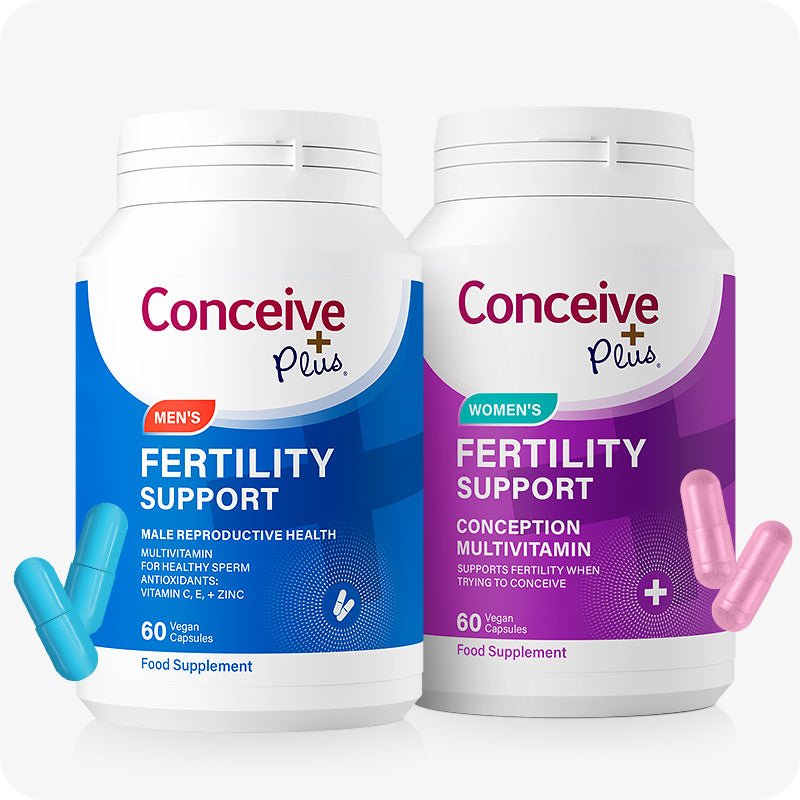
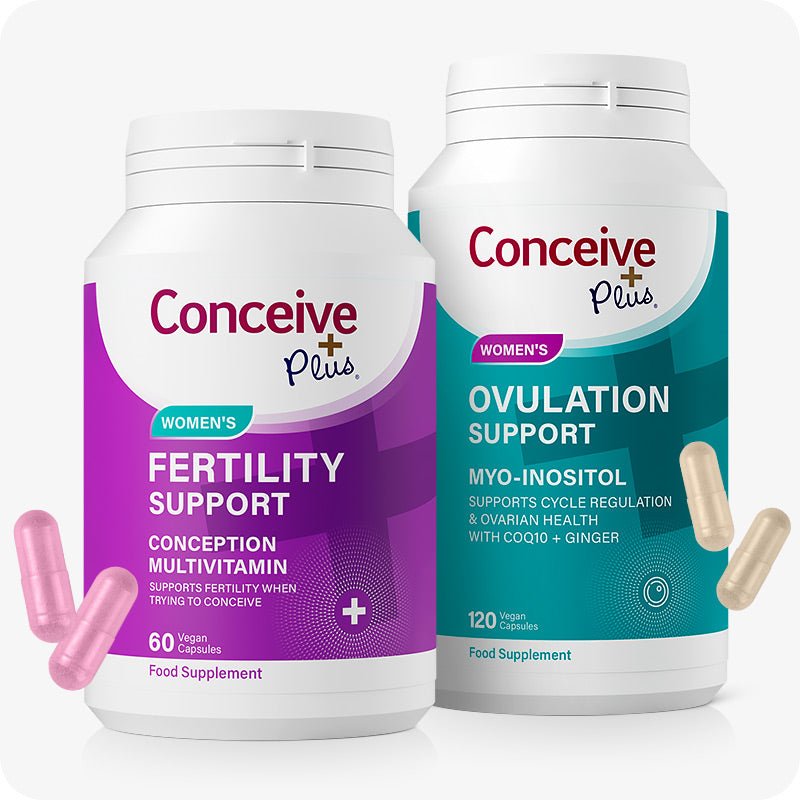
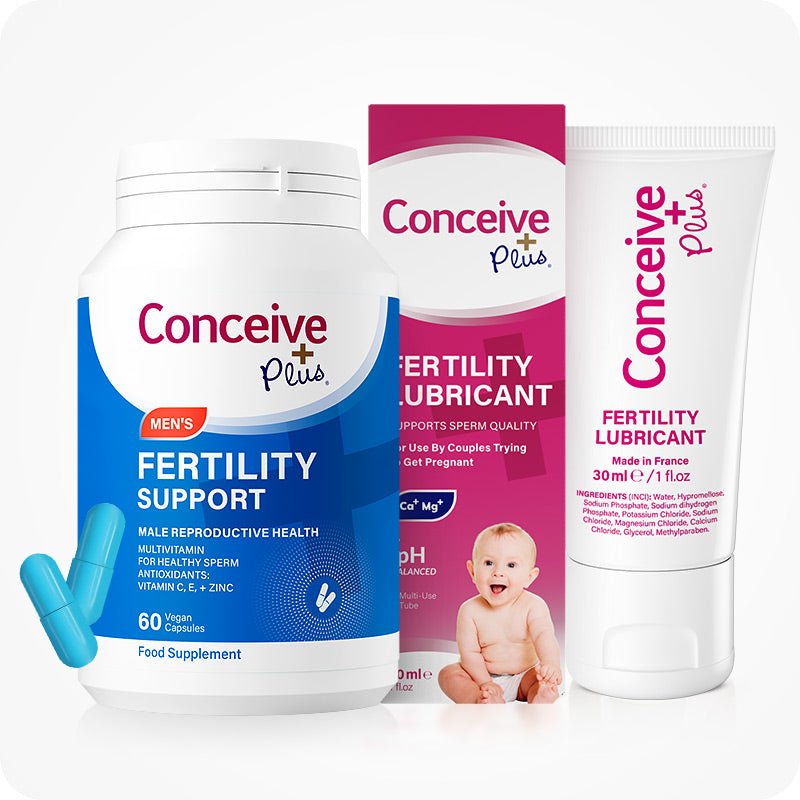
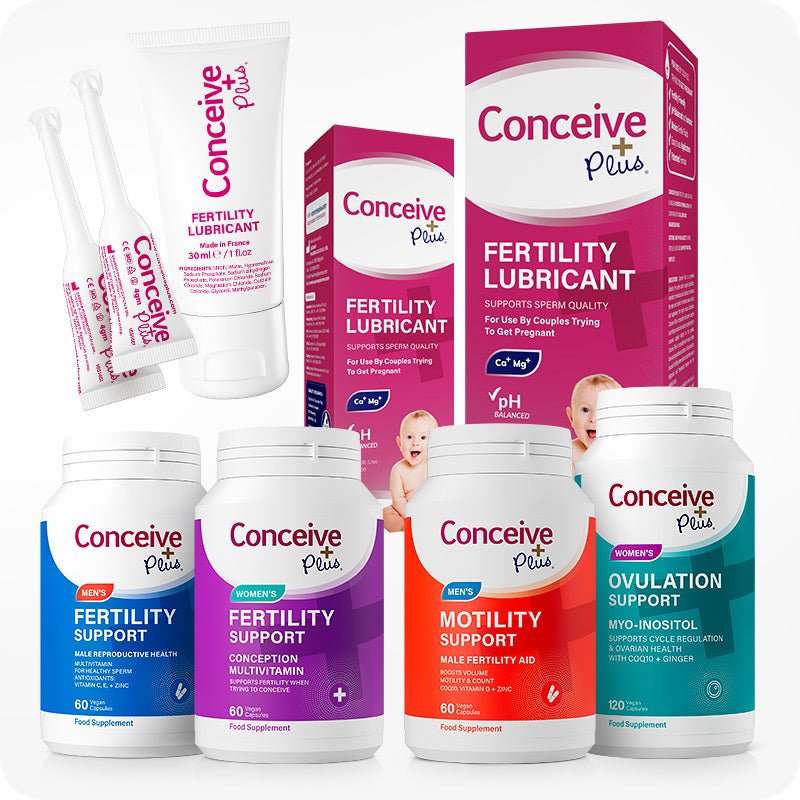
Conceive Plus fertility supplements are formulated with key antioxidants and nutrients that support women navigating endometriosis and TTC across Europe. Free shipping available.
Shop Conceive Plus Europe →
Nutrition and Supplements for Endometriosis and Fertility
Endometriosis is fundamentally an inflammatory condition. The most impactful dietary and supplement interventions for endometriosis and fertility target systemic inflammation, oxidative stress, and hormonal balance:
Anti-inflammatory diet:
- Omega-3 fatty acids (fatty fish, flaxseed, walnuts) — shown to reduce prostaglandin E2, a key inflammatory mediator in endometriosis
- Abundant vegetables and fruits (antioxidants reduce oxidative damage in follicles)
- Limiting red and processed meat (pro-inflammatory arachidonic acid)
- Limiting trans fats and refined sugars
- Cruciferous vegetables (broccoli, kale) — support oestrogen metabolism via indole-3-carbinol
Key supplements for endometriosis and fertility:
- N-acetylcysteine (NAC): A remarkable supplement for endometriosis specifically. A 2013 Italian RCT found NAC (600 mg x3/day for 3 months) caused cyst regression in 21.8% of endometrioma patients vs 0% placebo, and 24% of NAC patients spontaneously conceived vs 0% placebo. Mechanism: potent antioxidant that reduces inflammatory lesion growth.
- Omega-3 (EPA/DHA): 2–3g/day reduces inflammatory prostaglandins and may slow endometriosis progression.
- Melatonin: Strong antioxidant effects specifically in peritoneal fluid. Studies show melatonin (10 mg/day) reduces pain and inflammatory markers in endometriosis.
- Vitamin D: Deficiency is notably common in endometriosis patients and correlates with disease severity. Optimising vitamin D levels supports both immune regulation and fertility.
- Magnesium: Reduces smooth muscle cramping and has mild anti-inflammatory effects. Particularly relevant for endometriosis-associated dysmenorrhoea.
- Resveratrol: Inhibits endometrial cell proliferation in preclinical studies. While human trial data is limited, it shows promise as an anti-endometriosis agent.
Endometriosis, Ovarian Reserve, and AMH
Ovarian endometriomas (endometriosis cysts on the ovaries) are a particular concern for fertility. They directly damage the ovarian cortex surrounding them, reducing the pool of primordial follicles. Repeated surgeries for recurrent endometriomas further compound this risk.
Women with endometriomas typically have lower AMH than peers without — AMH being the primary marker of ovarian reserve. This has important implications:
- Prioritise fertility earlier if you have endometriomas (don't delay if you're planning to try)
- Discuss egg freezing with your specialist if you have endometriomas and are not yet ready to conceive
- Weigh surgical intervention carefully — operating on ovarian endometriomas carries real risk to ovarian reserve, and some specialists advocate monitoring small endometriomas in fertility patients rather than operating
Managing Endometriosis Naturally: Complementary Approaches
While endometriosis typically requires medical management, complementary approaches can meaningfully reduce inflammation and improve quality of life:
- Acupuncture: Multiple studies show reduced endometriosis pain with regular acupuncture. Some evidence for improved fertility outcomes in endometriosis patients undergoing IVF.
- Low-FODMAP diet: Many endometriosis patients also experience irritable bowel syndrome-like symptoms. A trial elimination diet can identify food triggers.
- Pelvic physiotherapy: Particularly valuable for endometriosis-related pelvic floor dysfunction, dyspareunia, and postoperative recovery.
- Stress reduction: Chronic stress amplifies inflammatory signalling pathways involved in endometriosis. Mind-body approaches (mindfulness, yoga, CBT) are evidence-based adjuncts.
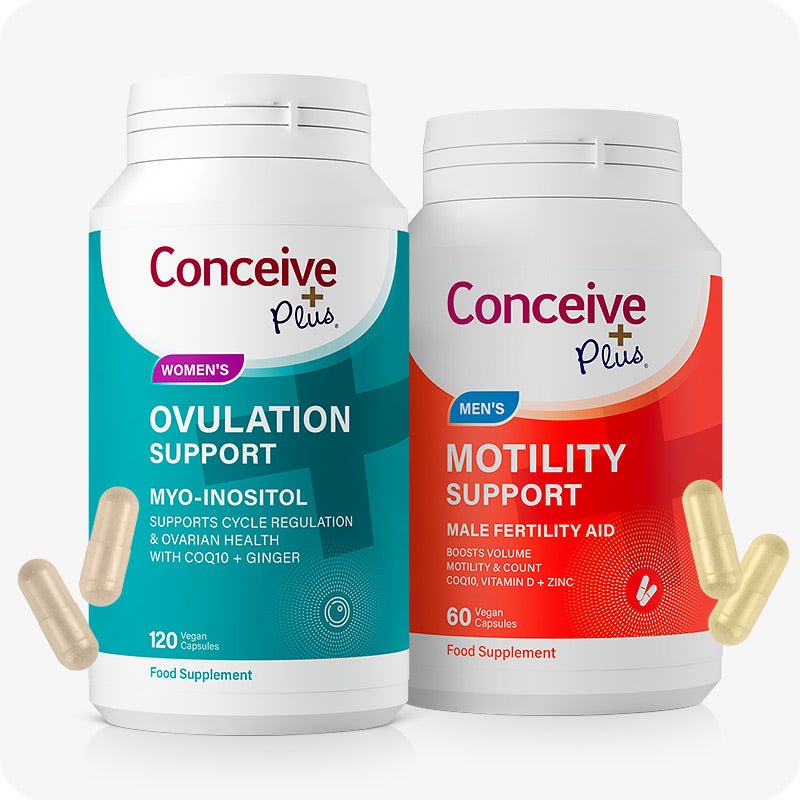
Conceive Plus Women's Fertility Support provides comprehensive nutritional support for women across Europe dealing with endometriosis and fertility challenges.
Explore Conceive Plus EU →
Frequently Asked Questions About Endometriosis and Fertility
Can you get pregnant with endometriosis naturally?
Yes — many women with endometriosis, particularly Stage I-II, do conceive naturally. Stage and location of disease, age, duration of infertility, and sperm quality all influence the likelihood. Natural conception is always worth attempting first (assuming fallopian tubes are patent) before moving to assisted reproduction.
Does endometriosis affect egg quality?
Yes. The inflammatory environment associated with endometriosis elevates reactive oxygen species in follicular fluid, which can impair egg maturation and quality. Antioxidant supplementation (CoQ10, vitamin C+E, selenium, NAC) targets this mechanism.
Should I have endometriosis treated before trying to conceive?
This depends on stage and symptoms. For women with Stage I-II without structural distortion, some fertility specialists recommend proceeding directly to IUI or natural TTC rather than operating. For women with endometriomas or significant adhesions, laparoscopic surgery with a skilled excision surgeon may improve spontaneous conception and IVF outcomes. Discuss the individualised risk-benefit with a fertility specialist experienced in endometriosis.
Does endometriosis come back after surgery?
Endometriosis recurrence rates after surgery are approximately 20–40% at 5 years. Hormonal suppression post-surgery reduces recurrence but is contraceptive. Women who want to conceive soon after surgery should discuss timing carefully with their specialist.
Can NAC help endometriosis?
The 2013 Italian RCT showing cyst regression and spontaneous conceptions with NAC is encouraging. NAC (1,800 mg/day) is inexpensive and safe. While it shouldn't replace medical management, it's a reasonable addition for women with mild-moderate endometriosis. Discuss with your specialist.
How does endometriosis affect IVF success rates?
Endometriosis is associated with lower IVF success rates compared to unexplained infertility — due to reduced egg numbers (if ovarian reserve is impacted), impaired egg quality, and reduced endometrial receptivity. However, with appropriate ovarian stimulation and attention to uterine preparation, many women with endometriosis achieve successful IVF outcomes.
Should I have my endometrioma removed before IVF?
This is one of the most contested questions in reproductive medicine. Removing an endometrioma risks damaging surrounding ovarian tissue and lowering AMH. Current ESHRE guidelines suggest endometriomas <3–4 cm can be left in place for IVF; larger cysts may warrant surgery. Importantly, the surgeon's technique matters enormously — seek a specialist in endometriosis surgery if operating.
Does endometriosis cause miscarriage?
Endometriosis is associated with slightly higher miscarriage rates, likely due to impaired embryo quality and endometrial receptivity. Sperm DNA fragmentation (elevated in male partners of women with severe endometriosis) also contributes to early pregnancy loss. Optimising both partners' health is important.
What is the best diet for endometriosis and fertility?
An anti-inflammatory diet with abundant omega-3s, vegetables, olive oil, and whole grains — and low in red meat, trans fats, and refined sugar. Cruciferous vegetables support oestrogen metabolism. Some women benefit from a gluten-free trial (a subgroup of endometriosis patients also have non-coeliac gluten sensitivity).
Is endometriosis hereditary?
Yes — first-degree relatives of women with endometriosis have a 5–7-fold higher risk. If your mother or sister has endometriosis, proactive investigation is warranted rather than waiting years for a diagnosis.