Endometriosis and Fertility: Understanding Your Options and Building Hope


Endometriosis affects an estimated 190 million women and girls worldwide — roughly 1 in 10 of reproductive age. For those trying to conceive, a diagnosis can bring a wave of complex emotions: fear, uncertainty, and questions that don't always have easy answers. Yet the science is clear that many women with endometriosis do go on to have healthy pregnancies, often with the right medical support, lifestyle strategies, and a nuanced understanding of their condition.
This guide is designed to be a comprehensive, science-backed resource. We cover what endometriosis is, how it affects fertility, the range of treatment options available, and the nutritional and emotional tools that can support your journey to conception.
What Is Endometriosis?
Endometriosis is a chronic, oestrogen-dependent inflammatory condition in which tissue similar to the endometrium (the lining of the uterus) grows outside the uterus. This tissue can implant on the ovaries, fallopian tubes, the outer surface of the uterus, the bowel, the bladder, and — in rare cases — even more distant sites.
Like normal endometrial tissue, these lesions respond to the hormonal fluctuations of the menstrual cycle: they thicken, break down, and bleed. But unlike tissue inside the uterus, there is nowhere for the blood to go. This leads to inflammation, scarring (fibrosis), and the formation of adhesions — bands of scar tissue that can fuse organs together.
Common Symptoms
- Severe pelvic pain, particularly during menstruation (dysmenorrhoea)
- Deep pain during or after sexual intercourse (dyspareunia)
- Heavy or irregular menstrual bleeding
- Pain with bowel movements or urination, especially around menstruation
- Bloating, fatigue, and nausea
- Difficulty conceiving
A striking and frequently cited fact: up to 30–40% of women with endometriosis experience difficulty conceiving. Conversely, endometriosis is found in approximately 20–50% of women investigated for infertility. Yet symptoms vary enormously — some women with severe endometriosis experience minimal pain, while others with mild disease suffer debilitating symptoms.
How Does Endometriosis Affect Fertility?
Nourishing Your Body Through Endometriosis
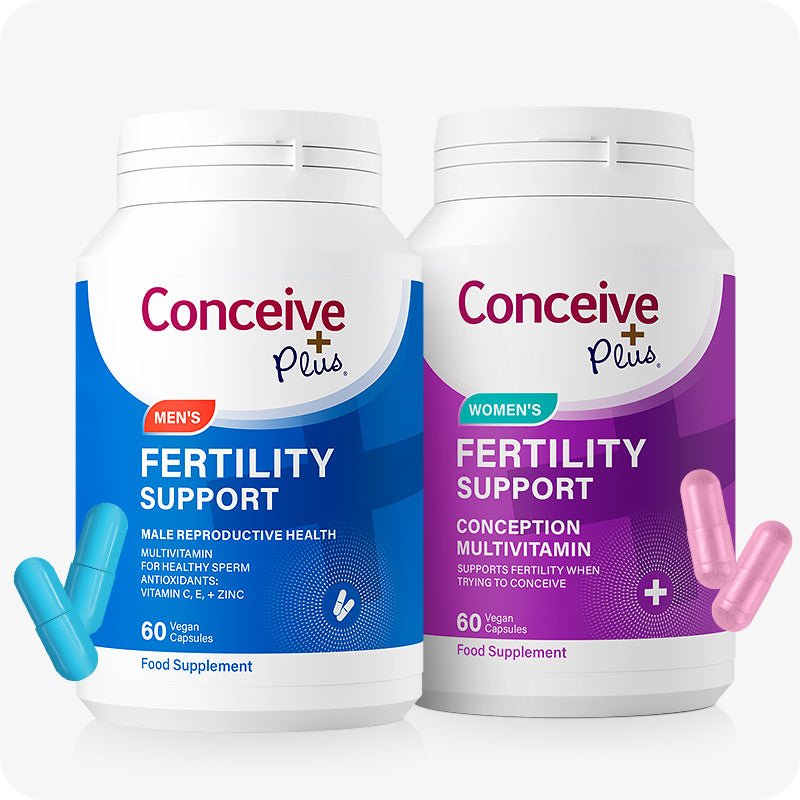
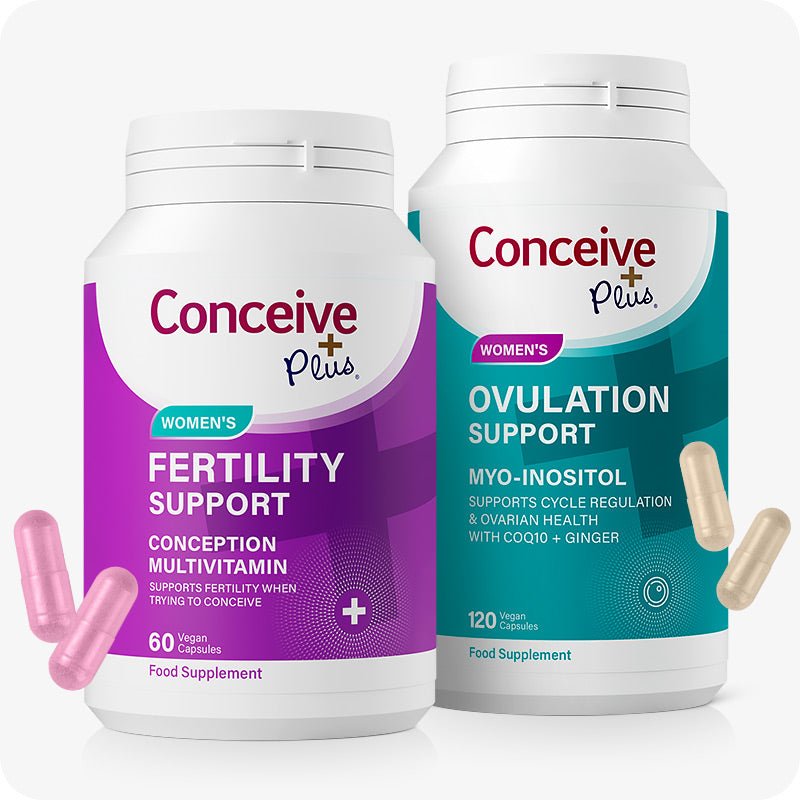
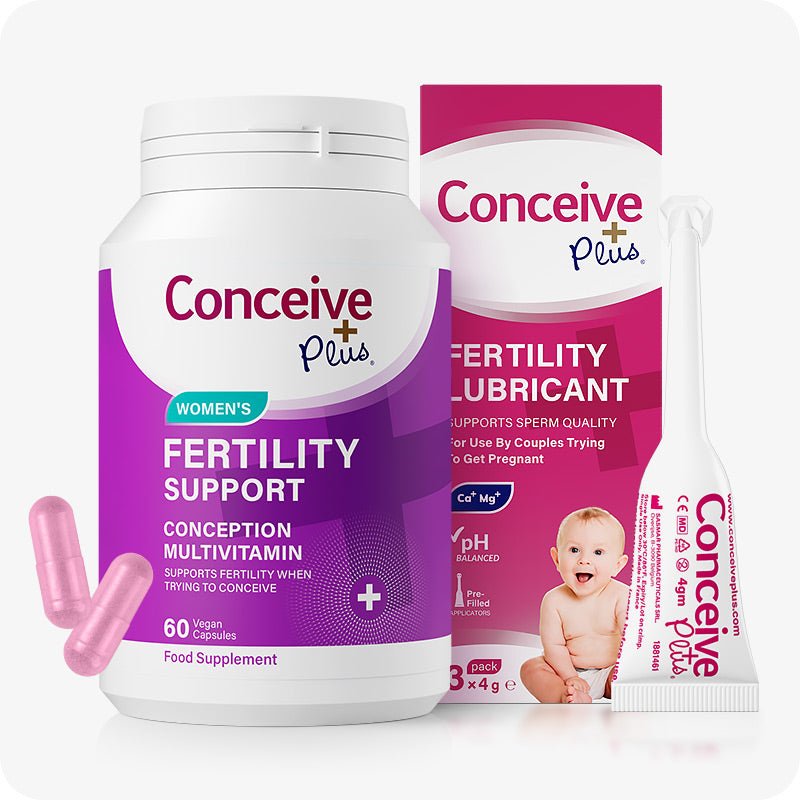
Supporting your reproductive health with the right nutrients can make a meaningful difference. Conceive Plus Women's Fertility Support provides key antioxidants, methylfolate, and vitamins targeted to support hormonal balance and overall fertility.
Explore Women's Fertility Support →The relationship between endometriosis and fertility is multifaceted. The condition can impair conception through several interlinking mechanisms:
Anatomical Disruption
In moderate to severe cases, endometriotic lesions and adhesions can distort the pelvic anatomy. Fallopian tubes may become blocked, kinked, or surrounded by scar tissue that prevents the egg from travelling normally from the ovary to the uterus. Ovarian endometriomas (also called "chocolate cysts") — fluid-filled cysts on the ovaries filled with old blood — can physically damage ovarian tissue and reduce the pool of available eggs.
Reduced Ovarian Reserve
Research published in Human Reproduction has shown that women with endometriosis, particularly those with ovarian endometriomas, tend to have lower anti-Müllerian hormone (AMH) levels and reduced antral follicle counts — two key markers of ovarian reserve. Endometriotic cysts can directly damage the surrounding ovarian cortex, destroying primordial follicles. Surgical removal of these cysts carries its own risk of further ovarian reserve damage, which is why surgical decisions must be carefully weighed.
Inflammatory Pelvic Environment
Even in women without obvious anatomical distortion, endometriosis creates a hostile environment within the peritoneal cavity. The peritoneal fluid of women with endometriosis contains elevated levels of inflammatory cytokines (such as interleukin-6 and tumour necrosis factor-alpha), activated macrophages, and prostaglandins. These factors can impair sperm motility, disrupt fertilisation, and interfere with embryo implantation.
Endometrial Receptivity
The endometrium itself may be affected. Studies have identified altered expression of implantation markers — including integrins and HOXA10 — in the uterine lining of women with endometriosis, suggesting that the uterus may be less receptive to an embryo at the time of implantation.
Egg Quality
Emerging evidence indicates that the oxidative stress environment associated with endometriosis can affect oocyte (egg) quality. Higher levels of reactive oxygen species in the follicular fluid of women with endometriosis may compromise mitochondrial function within the egg, affecting fertilisation rates and embryo development.
Diagnosis and Staging of Endometriosis
One of the most frustrating realities of endometriosis is the diagnostic delay. Globally, the average time from symptom onset to confirmed diagnosis is 7 to 10 years. Women are often told that painful periods are "normal," or they receive various other diagnoses before endometriosis is considered.
How Is It Diagnosed?
The gold-standard diagnostic method remains laparoscopy with histological confirmation — a minimally invasive surgical procedure in which a camera is inserted through a small incision in the abdomen to directly visualise lesions. While non-invasive imaging such as transvaginal ultrasound and MRI can identify ovarian endometriomas and deep infiltrating endometriosis, they cannot reliably detect superficial peritoneal lesions.
The ASRM Staging System
The American Society for Reproductive Medicine (ASRM) classifies endometriosis into four stages based on the extent and depth of disease found during laparoscopy:
- Stage I (Minimal): Small, superficial lesions with no significant scarring
- Stage II (Mild): More lesions, slightly deeper implants
- Stage III (Moderate): Deep lesions, possible endometriomas on the ovaries, some adhesions
- Stage IV (Severe): Many deep lesions, large endometriomas, dense adhesions involving the ovaries and fallopian tubes
Importantly, stage does not perfectly correlate with fertility outcomes. Some women with Stage I/II endometriosis experience significant infertility, while some with Stage IV conceive naturally. The staging system reflects anatomical disease burden, not necessarily physiological impact on reproduction.
Treatment Approaches When Trying to Conceive
Managing endometriosis in the context of fertility requires a delicate balance. Many standard medical treatments for endometriosis — such as combined oral contraceptives, progestins, or GnRH agonists — suppress ovulation and are incompatible with trying to conceive. The approach, therefore, shifts when pregnancy is the goal.
Expectant Management
For women with Stage I or II endometriosis and no other fertility factors, evidence suggests that expectant management — actively trying to conceive without intervention — may be appropriate for a defined period. Monthly fecundity rates (the probability of conceiving in any given cycle) are reduced in women with endometriosis compared to the general population, but spontaneous conception remains possible.
Ovarian Stimulation with Intrauterine Insemination (IUI)
In women with minimal to mild endometriosis and patent (open) fallopian tubes, controlled ovarian stimulation combined with intrauterine insemination can increase the chance of conception. A Cochrane review found that stimulated IUI cycles yield significantly better pregnancy rates than unexplained or unstimulated cycles in mild endometriosis. However, this approach is generally considered less effective than IVF.
Surgical Treatment
Surgery plays a nuanced role in the endometriosis fertility journey. Laparoscopic excision or ablation of endometriotic lesions has been shown to improve spontaneous pregnancy rates in Stage I/II disease. The landmark RCT by Marcoux et al. (NEJM, 1997) demonstrated a doubling of pregnancy rates following laparoscopy for minimal/mild endometriosis.
For ovarian endometriomas, the picture is more complex. While removing endometriomas can theoretically improve access to follicles and reduce the inflammatory ovarian environment, surgery carries the risk of inadvertently removing healthy ovarian cortex containing primordial follicles, reducing AMH. European Society of Human Reproduction and Embryology (ESHRE) guidelines recommend that endometriomas ≥3 cm be considered for surgical removal before IVF, but this must be balanced against the risk to ovarian reserve — particularly in women who have already undergone prior ovarian surgery.
Deep infiltrating endometriosis — involving the bowel, bladder, or ureters — typically requires highly specialised surgical centres and a multidisciplinary team. Surgery in these cases is complex but can significantly improve quality of life and, in some cases, fertility outcomes.
IVF and Assisted Reproduction with Endometriosis
In vitro fertilisation (IVF) remains the most widely used assisted reproductive technology for women with endometriosis-related infertility, particularly in moderate to severe cases or after multiple failed IUI cycles.
IVF Outcomes in Endometriosis
The data on IVF outcomes in women with endometriosis is nuanced. A large meta-analysis published in Fertility and Sterility found that women with endometriosis had lower ovarian response to stimulation (fewer retrieved eggs), lower fertilisation rates, and lower live birth rates per cycle compared to women with tubal factor infertility. However, cumulative live birth rates over multiple IVF cycles can still be favourable, particularly in younger women with adequate ovarian reserve.
Frozen Embryo Transfer (FET)
There is growing evidence that frozen embryo transfer cycles may offer better implantation rates for women with endometriosis. The hypothesis is that the inflammatory endometrial environment during a stimulated cycle may impair implantation, and that a frozen transfer in a subsequent, unstimulated cycle allows the endometrium to "reset." Several retrospective studies and RCTs support this approach, and FET is increasingly used as a first-line strategy in IVF for women with moderate to severe endometriosis.
Pre-treatment with GnRH Agonists
Some IVF protocols for endometriosis incorporate a period of down-regulation with GnRH agonists (e.g., 3–6 months of Lupron or similar) before stimulation begins. A Cochrane review and subsequent meta-analyses suggest this "long protocol" approach may improve IVF outcomes in women with endometriosis, though the evidence is not uniform. The rationale is that suppressing endometriotic activity before stimulation may reduce pelvic inflammation and improve endometrial receptivity.
Endometrial Receptivity Testing
Newer technologies such as the Endometrial Receptivity Analysis (ERA) test identify the precise "window of implantation" in individual patients. Given the evidence of impaired endometrial receptivity in endometriosis, ERA may be particularly relevant for women who have experienced multiple failed embryo transfers despite good-quality embryos.
Nutrition, Lifestyle, and Supplements
While medical interventions are central, the role of nutrition and lifestyle in managing endometriosis and supporting fertility is increasingly supported by scientific literature. These complementary approaches can reduce inflammation, support hormonal balance, and improve overall reproductive health.
Anti-inflammatory Diet
Endometriosis is fundamentally an inflammatory condition, and dietary choices can meaningfully modulate systemic inflammation. Key evidence-based recommendations include:
- Omega-3 fatty acids: Found in oily fish (salmon, mackerel, sardines), flaxseed, and walnuts. Studies show omega-3s inhibit prostaglandin-mediated inflammation and may reduce endometriosis-associated pain. The Harvard Nurses' Health Study II found that higher omega-3 intake was associated with a 22% lower risk of endometriosis.
- Fruits and vegetables: Rich in antioxidants (vitamins C and E, beta-carotene, flavonoids) that combat the oxidative stress associated with endometriosis. Aim for a wide variety of colours.
- Reduce red and processed meat: Higher red meat consumption has been associated with increased endometriosis risk in several large cohort studies, potentially due to saturated fat's role in oestrogen metabolism.
- Cruciferous vegetables: Broccoli, cauliflower, and Brussels sprouts contain indole-3-carbinol and diindolylmethane (DIM), compounds that support healthy oestrogen metabolism — relevant given endometriosis's oestrogen-dependence.
- Reduce alcohol and caffeine: Both have been linked to altered oestrogen levels and may worsen inflammation.
Key Supplements
Targeted nutritional supplementation can address specific deficiencies and physiological needs relevant to women with endometriosis trying to conceive:
- Folate/Methylfolate: Essential for early neural tube development, folate is a foundational preconception nutrient. Women with the MTHFR gene variant (more common than widely appreciated) benefit from the active form, 5-methyltetrahydrofolate (methylfolate), which is directly usable by the body without enzymatic conversion.
- Vitamin D: Vitamin D deficiency is common and associated with increased endometriosis severity. Studies show that vitamin D receptors are present in endometriotic tissue, and supplementation may help modulate the immune and inflammatory response.
- N-Acetyl Cysteine (NAC): A precursor to glutathione, the body's master antioxidant. A pilot RCT published in Evidence-Based Complementary and Alternative Medicine found that NAC supplementation (600 mg three times daily) reduced the size of endometriomas in a proportion of patients compared to controls.
- Coenzyme Q10 (CoQ10): A potent mitochondrial antioxidant important for cellular energy production. Given the emerging evidence of impaired oocyte mitochondrial function in endometriosis, CoQ10 supplementation (ubiquinol form) may support egg quality. Several studies have shown improved ovarian response and embryo quality in women supplementing with CoQ10 before IVF.
- Magnesium: Supports muscle relaxation and may reduce the severity of dysmenorrhoea. Also involved in over 300 enzymatic reactions in the body.
- Zinc and Selenium: Both support immune function, antioxidant defence, and reproductive hormone balance.
Exercise and Stress Management
Regular moderate exercise has anti-inflammatory benefits and supports healthy weight and hormonal balance. High-intensity exercise should be approached thoughtfully, as excessive training can disrupt the hypothalamic-pituitary-ovarian axis. Mind-body practices — yoga, Pilates, meditation, acupuncture — have evidence for reducing endometriosis-associated pain and improving quality of life. A 2017 randomised trial found that yoga significantly reduced pelvic pain scores in women with endometriosis.
Sleep
Chronic sleep disruption impairs immune function, elevates cortisol, and disrupts melatonin — a hormone with demonstrated anti-oestrogenic and antioxidant properties that may play a protective role in endometriosis. Prioritising 7–9 hours of quality sleep per night is a foundational, often underappreciated, component of endometriosis management.
Emotional Support and Mental Wellbeing
The psychological burden of endometriosis is substantial and often underestimated. Living with chronic pain, navigating a complex medical system, facing diagnostic delays, and coping with fertility uncertainty can contribute to significant anxiety, depression, and grief.
Acknowledging the Emotional Load
Research consistently documents higher rates of anxiety and depression in women with endometriosis compared to the general population. Infertility itself is a recognised stressor comparable in psychological impact to serious illness. The combination of the two is a formidable challenge, and it is important that you allow yourself to acknowledge this — seeking support is not weakness, it is self-care.
Finding Your Support Network
- Endometriosis organisations: Endometriosis UK, Endometriosis Association, and other national bodies provide patient resources, peer support forums, and guidance on navigating healthcare systems.
- Fertility counselling: Many fertility clinics now offer access to counsellors specialised in reproductive psychology. Cognitive-behavioural therapy (CBT) and acceptance and commitment therapy (ACT) have evidence for improving coping and reducing anxiety in women with chronic illness and fertility challenges.
- Partner and relationship support: The fertility journey affects couples. Open communication, joint attendance at consultations where possible, and couples counselling if needed can strengthen the relationship at a time when it is under pressure.
Navigating Medical Interactions
Empowering yourself with knowledge — as you are doing now — is one of the most effective tools available. Come to consultations prepared with questions. Seek second opinions if you feel unheard. Ask your fertility specialist about their specific experience with endometriosis-related fertility. Advocate for the level of investigation and treatment that feels right to you.
Maintaining Hope
It bears repeating: endometriosis does not mean the end of your fertility journey. Many women with even severe endometriosis conceive — sometimes naturally, sometimes with assistance. Each woman's situation is unique, and outcomes depend on many factors including age, ovarian reserve, disease extent, and the quality of care received. With the right team, the right information, and the right support, hope is not only possible — it is well-founded.
Frequently Asked Questions (FAQ)
Can I get pregnant naturally with endometriosis?
Yes. Many women with endometriosis conceive naturally. The likelihood depends on factors including the stage of endometriosis, your age, ovarian reserve, and whether there are any other contributing fertility factors. Women with Stage I or II disease in particular often conceive without medical assistance, though it may take longer than average.
Does endometriosis always cause infertility?
No. Infertility is not an inevitable consequence of endometriosis. Approximately 60–70% of women with endometriosis who try to conceive do so successfully, though some may require medical assistance. The relationship between endometriosis and fertility is complex and varies greatly between individuals.
Should I have surgery before trying IVF?
This is a nuanced decision that depends on your specific situation — the location and size of endometriotic lesions, your ovarian reserve, your age, and your prior fertility history. ESHRE guidelines generally suggest that endometriomas ≥3 cm should be assessed for surgery before IVF, but the risk of reducing ovarian reserve through surgery must be carefully weighed. Discuss this with a specialist who has experience in both endometriosis and reproductive medicine.
Will my endometriosis worsen during pregnancy?
In many cases, the hormonal environment of pregnancy — characterised by high progesterone and the absence of menstruation — can provide temporary relief from endometriosis symptoms. Some women experience a significant improvement during and after pregnancy. However, endometriosis generally recurs after pregnancy, and the condition is not "cured" by having a baby.
How does stage of endometriosis affect IVF success rates?
Moderate to severe endometriosis (Stage III/IV) is generally associated with lower ovarian response to IVF stimulation and lower live birth rates per cycle compared to Stage I/II or tubal factor infertility. However, cumulative outcomes over multiple cycles, particularly in younger women, can still be meaningful. Your fertility specialist can provide personalised estimates based on your specific parameters.
Can nutrition and supplements really make a difference?
While no supplement can treat endometriosis in the way that surgery or hormonal medication can, evidence supports the role of anti-inflammatory nutrition, antioxidants (particularly vitamins C and E, CoQ10, NAC), omega-3 fatty acids, vitamin D, and methylfolate in supporting reproductive health and mitigating some of the mechanisms by which endometriosis impairs fertility. These approaches work best as part of a comprehensive strategy alongside medical care.
What is an endometrioma and how does it affect fertility?
An endometrioma (also called a chocolate cyst) is a cyst on the ovary filled with old menstrual blood and endometrial tissue. It can reduce ovarian reserve by damaging the surrounding ovarian cortex, impair access to follicles during IVF egg collection, and contribute to the inflammatory pelvic environment. Management decisions around endometriomas — whether to operate or monitor — should be made with a specialist experienced in both endometriosis and fertility.
Does endometriosis affect egg quality?
Emerging evidence suggests it can. The oxidative stress environment associated with endometriosis may affect mitochondrial function in oocytes, and studies have found higher levels of reactive oxygen species in the follicular fluid of women with endometriosis. This is one of the reasons why antioxidant supplementation (CoQ10, vitamins C and E, NAC) is of interest in this population.
How long should I try to conceive naturally before seeking help?
Standard guidance recommends seeking fertility assessment after 12 months of trying (or 6 months if you are over 35). However, with a known diagnosis of endometriosis, most clinicians recommend a more proactive approach — particularly if you have Stage III/IV disease, have had prior surgery, or have other risk factors. Don't wait if something doesn't feel right.
What questions should I ask my fertility specialist about endometriosis?
Key questions include: What is my current ovarian reserve (AMH level and antral follicle count)? Would surgery improve or risk my fertility in my specific case? What IVF protocol do you recommend for women with endometriosis? Have you treated many women with endometriosis, and what are your outcomes? Is there anything I can do nutritionally or through lifestyle to improve my chances? What does the realistic fertility timeline look like for my situation?
This article is intended for informational purposes and does not constitute medical advice. Always consult a qualified healthcare professional regarding your individual health situation.
Science-Backed Support for Every Fertility Journey
Whether you're managing endometriosis or navigating other fertility challenges, Conceive Plus has a range of products — from women's multivitamins to fertility lubricants — formulated to support conception naturally.
Shop Fertility Supplements →