Fertility Diet: The Complete Guide to Foods That Support Conception and Hormonal Balance


Fertility Diet: The Complete Guide to Foods That Support Conception and Hormonal Balance
A fertility diet is not about deprivation or a rigid meal plan — it's about eating in a way that supports your reproductive hormones, egg quality, sperm health, and the complex biological processes that must all work in concert for conception to occur. The evidence base has grown substantially over the past decade, and the message is clear: what you eat directly affects your fertility, and meaningful changes are achievable through diet alone — or in combination with targeted supplementation.
This guide translates the best available science on fertility diet into practical, sustainable eating patterns. Whether you're trying to conceive naturally, preparing for IVF, or supporting your partner's sperm health, nutrition is a powerful lever within your control.
Why Diet Affects Fertility: The Biological Mechanisms
Food is more than fuel — it's information. Every meal sends hormonal and metabolic signals that regulate ovulatory function, egg quality, sperm production, the uterine environment, and hormonal balance. A fertility diet addresses all these mechanisms simultaneously through consistent food patterns rather than any single superfood.
Key mechanisms through which diet influences fertility:
- Ovulatory function: Insulin sensitivity directly affects LH pulsatility and ovulation regularity
- Egg quality: Antioxidant status within follicular fluid determines protection against oxidative damage during oocyte maturation
- Sperm production: Spermatogenesis requires specific micronutrients including zinc, selenium, and folate; oxidative stress from poor diet directly damages sperm DNA
- Uterine environment: Inflammatory diet patterns elevate pro-inflammatory cytokines in the endometrium, potentially impairing implantation
- Hormonal balance: Liver function (affected by diet) clears excess oestrogen; gut microbiome (shaped by diet) influences oestrogen recirculation
The Mediterranean Diet: The Most Fertility-Supported Eating Pattern
Ready to take action? Shop Conceive Plus fertility supplements →
Among all dietary patterns studied in fertility research, the Mediterranean diet has the most robust evidence base. A 2018 study published in Human Reproduction followed 244 women undergoing IVF and found that those who most closely followed a Mediterranean diet had a 65–68% higher live birth rate compared to those with the lowest adherence. This effect size rivals many medical interventions.
Core components of the Mediterranean fertility diet:
- Abundant vegetables and fruits: High antioxidant load protects eggs and sperm from oxidative damage
- Whole grains: Low glycaemic impact maintains stable insulin levels, supporting regular ovulation
- Legumes: Rich in plant protein, folate, and fibre; associated with better ovulatory function
- Olive oil: High in oleic acid and polyphenols; reduces systemic inflammation and improves insulin sensitivity
- Fatty fish (2–3 servings/week): Omega-3 DHA and EPA reduce inflammation and support embryo development
- Moderate full-fat dairy: Yoghurt and cheese may support ovulatory function based on Nurses' Health Study data
- Nuts and seeds: Vitamin E, zinc, selenium, omega-3s — all important for both egg and sperm quality
- Minimal processed foods, refined sugar, and red meat
Key Fertility Foods: Nutrients and Why They Matter
Folate-Rich Foods
Folate is critical for DNA synthesis and neural tube development — essential during spermatogenesis for sperm DNA integrity and during early embryogenesis. Dietary folate comes from dark leafy greens (spinach, kale, rocket), asparagus, broccoli, Brussels sprouts, beans and lentils, and avocado. Aim for at least 5 portions of folate-rich vegetables daily alongside a supplement delivering 400–800 mcg of methylfolate.
Iron
The Nurses' Health Study (one of the largest fertility nutrition studies ever conducted) found that women with the highest non-haem iron intake had a 40% lower risk of ovulatory infertility compared to those with the lowest intake. Non-haem iron requires vitamin C for optimal absorption. Best sources: lentils, tofu, fortified cereals, dark leafy greens, pumpkin seeds, dried apricots.
Zinc
Zinc is essential for folliculogenesis, ovulation, and corpus luteum function in women. In men, it's the most abundant mineral in seminal plasma. Deficiency in either partner affects fertility outcomes. Best sources: oysters, red meat, pumpkin seeds, hemp seeds, chickpeas, cashews, dairy.
Omega-3 Fatty Acids
DHA and EPA reduce pro-inflammatory prostaglandins and are structural components of cell membranes throughout the reproductive system. A 2019 study found higher omega-3 consumption in women undergoing IVF was associated with higher clinical pregnancy rates and live birth rates. Best sources: salmon, mackerel, sardines, anchovies, herring — aim for 2–3 servings/week. Algae-based omega-3 supplements are ideal for vegetarians and vegans.
Vitamin D
Vitamin D receptors are present in the ovaries, endometrium, and testes. Vitamin D deficiency is associated with PCOS, endometriosis severity, and poor IVF outcomes. Few foods provide adequate vitamin D — fatty fish, egg yolks, and fortified foods provide small amounts, but supplementation (800–2,000 IU/day based on blood level) is usually necessary in northern European climates.
Antioxidants
Oxidative stress within follicular fluid directly damages oocytes. Antioxidant protection at the follicular level predicts IVF outcomes. Maximise antioxidant density through berries, colourful vegetables, green tea, dark chocolate, nuts, and seeds. CoQ10 is particularly important for mitochondrial function in oocytes — dietary sources are modest, so supplementation is often recommended for women over 35.
The Glycaemic Impact: Blood Sugar, Insulin, and Ovulation
Insulin resistance — the core metabolic dysfunction underlying PCOS — is also a contributor to ovulatory infertility more broadly. High-glycaemic diets spike blood glucose and insulin, which disrupts LH release frequency, stimulates ovarian androgen production, reduces SHBG, and impairs follicular development.
The Nurses' Health Study found that women eating a high-glycaemic diet had 92% higher risk of ovulatory infertility than those eating a low-glycaemic diet. A low-glycaemic fertility diet emphasises whole grains, legumes, vegetables, and limits added sugars. Practical swaps: replace white rice with quinoa or bulgur wheat; choose sourdough instead of white bread; choose oats over cereal; choose berries over fruit juice.
Protein: Animal vs Plant and Fertility Outcomes
The Nurses' Health Study found that women who ate more plant protein had significantly better ovulatory function than those who ate more animal protein. Substituting 5% of energy from animal protein with plant protein was associated with a 50% lower risk of ovulatory infertility. This doesn't mean eliminating meat — it means shifting the protein balance toward legumes, tofu, tempeh, nuts, and seeds while reducing red and processed meat.
Foods That Disrupt Fertility: What to Reduce
- Ultra-processed foods: Associated with insulin resistance, inflammation, and hormone disruption across all aspects of reproductive function
- Trans fats: Even small amounts are associated with dramatically higher ovulatory infertility risk in epidemiological data
- Refined sugar: Disrupts insulin signalling, feeds inflammatory pathways, and contributes to the oxidative burden damaging eggs and sperm
- Alcohol: Disrupts hormone balance in both men and women; women trying to conceive are advised to abstain or strictly limit
- Excessive caffeine: >200 mg/day is associated with delayed conception and early pregnancy loss; 1–2 cups of coffee per day appears safe
Hydration and Cervical Mucus
Adequate hydration is often overlooked in fertility nutrition. Cervical mucus quality — critical for sperm transport to the egg — is directly affected by hydration status. Women who are chronically under-hydrated produce less and lower-quality fertile cervical mucus. Aim for 8–10 glasses of water daily, particularly in the days leading up to and during ovulation.
Supporting Your Fertility Diet with Conceive Plus
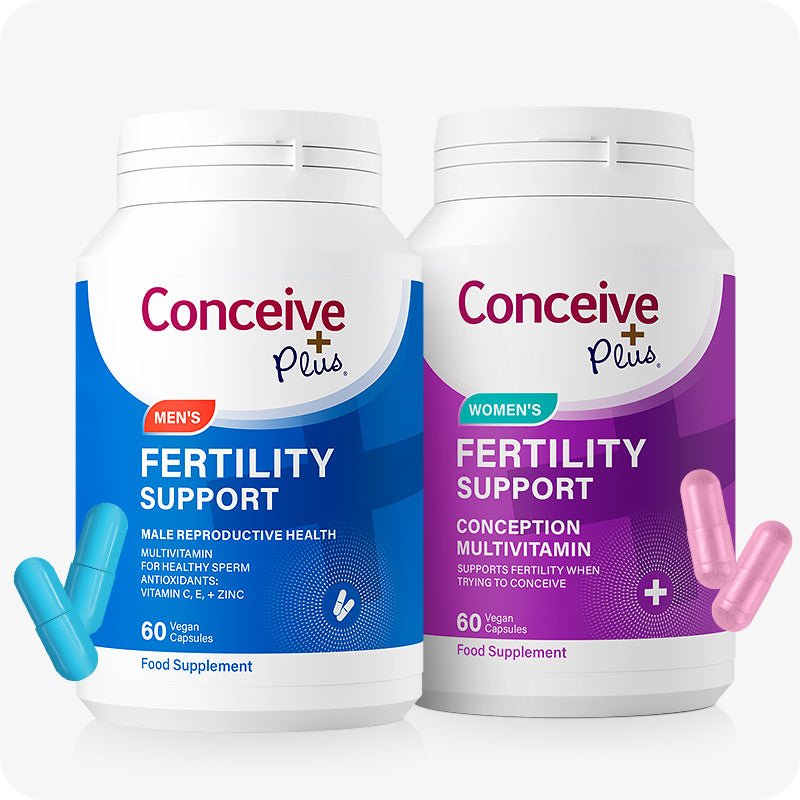
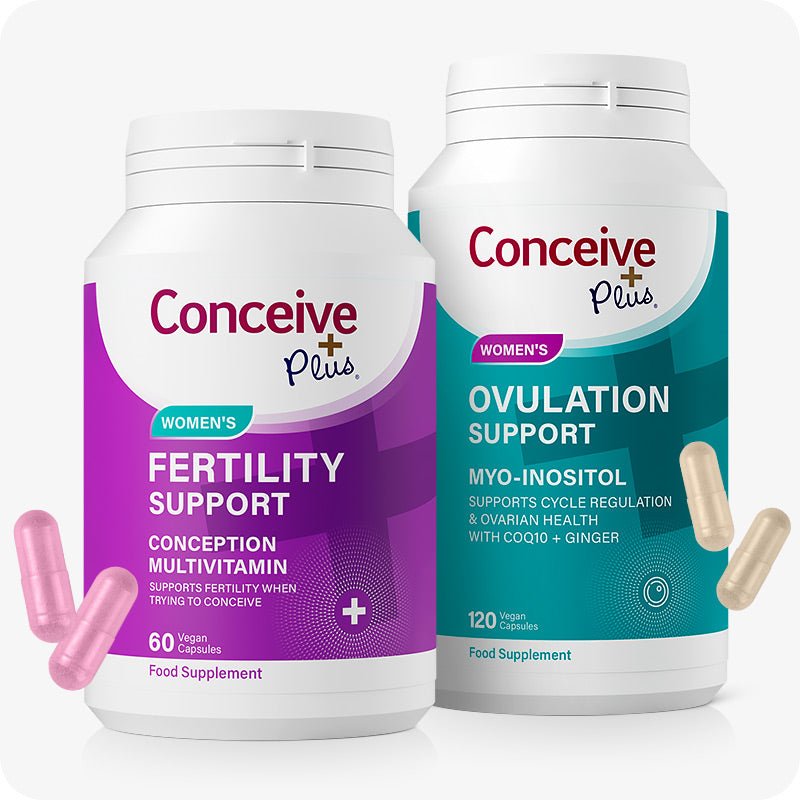
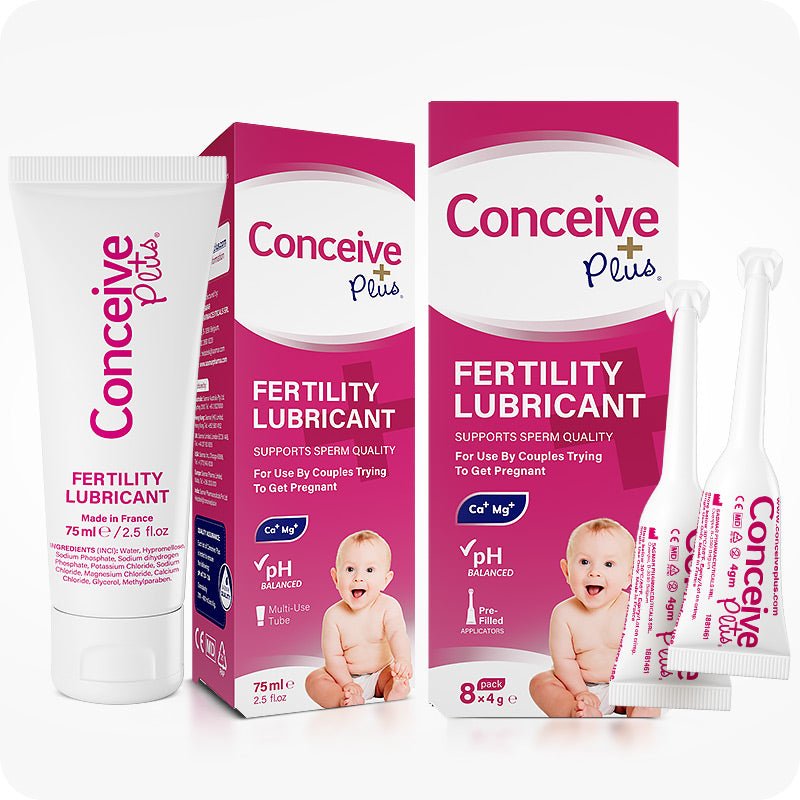
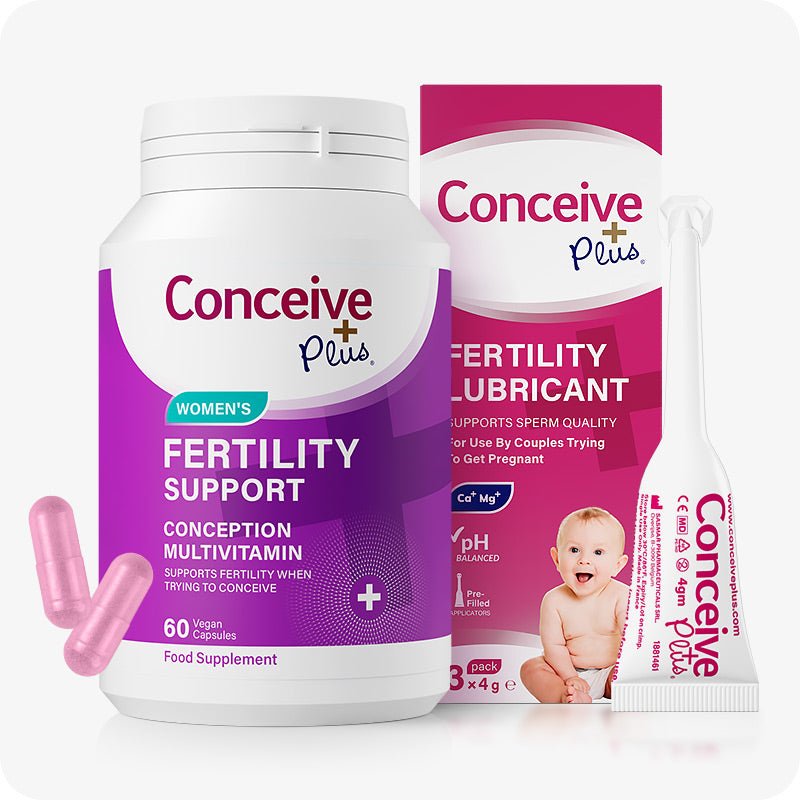
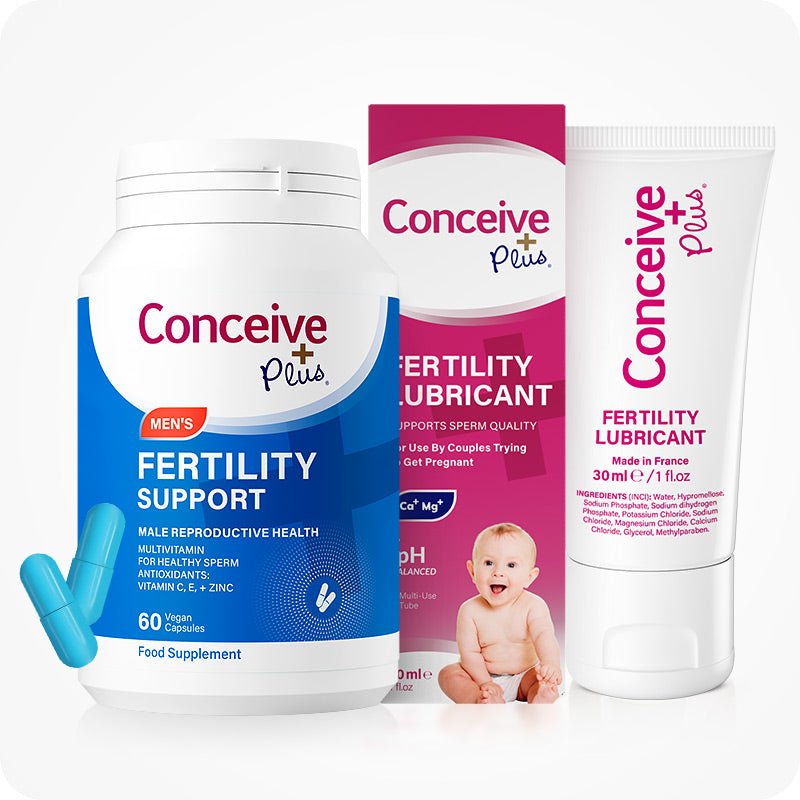
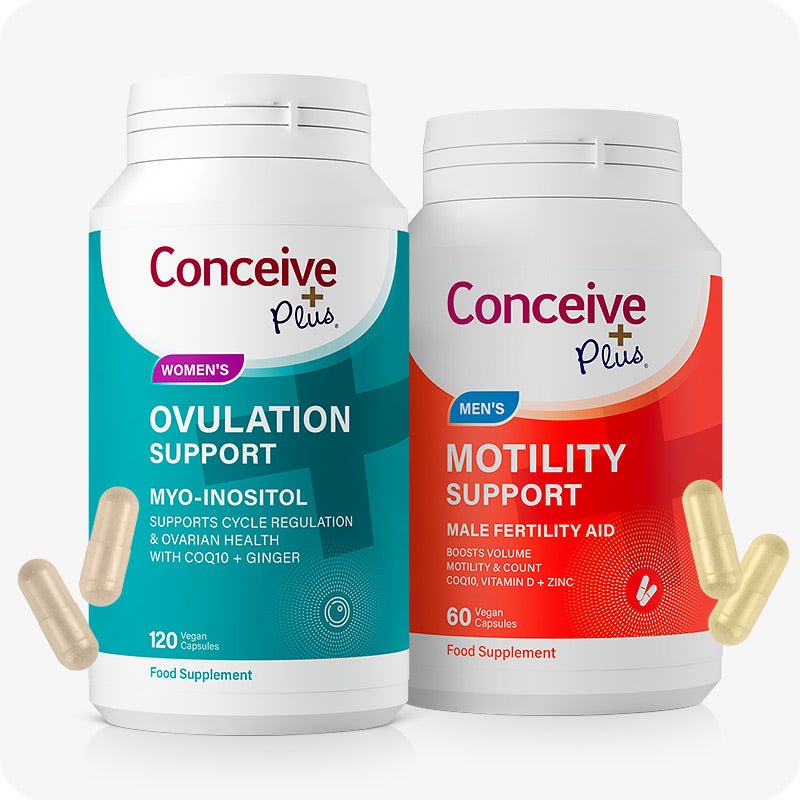
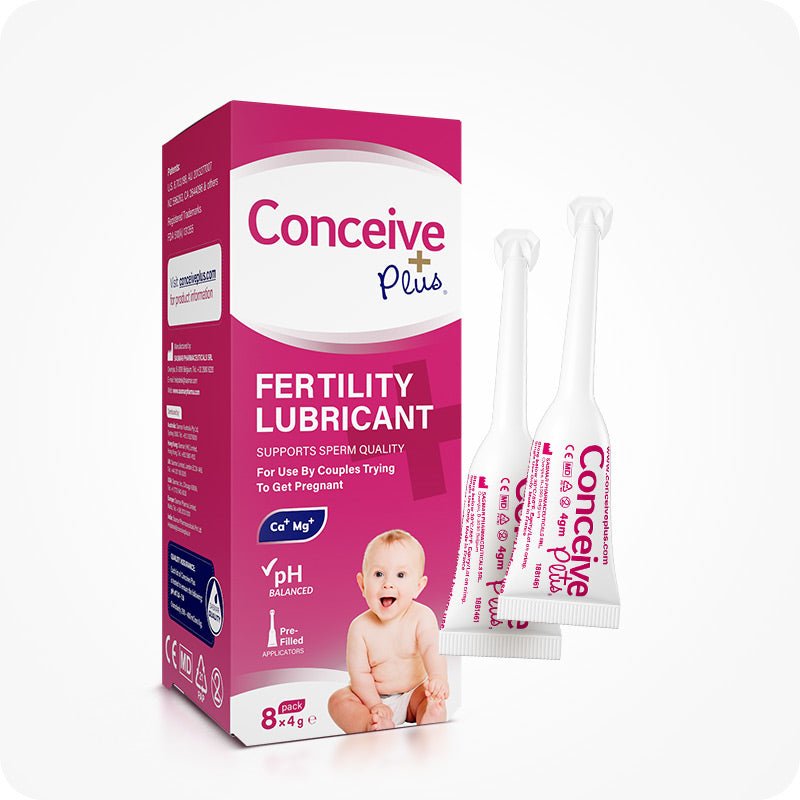
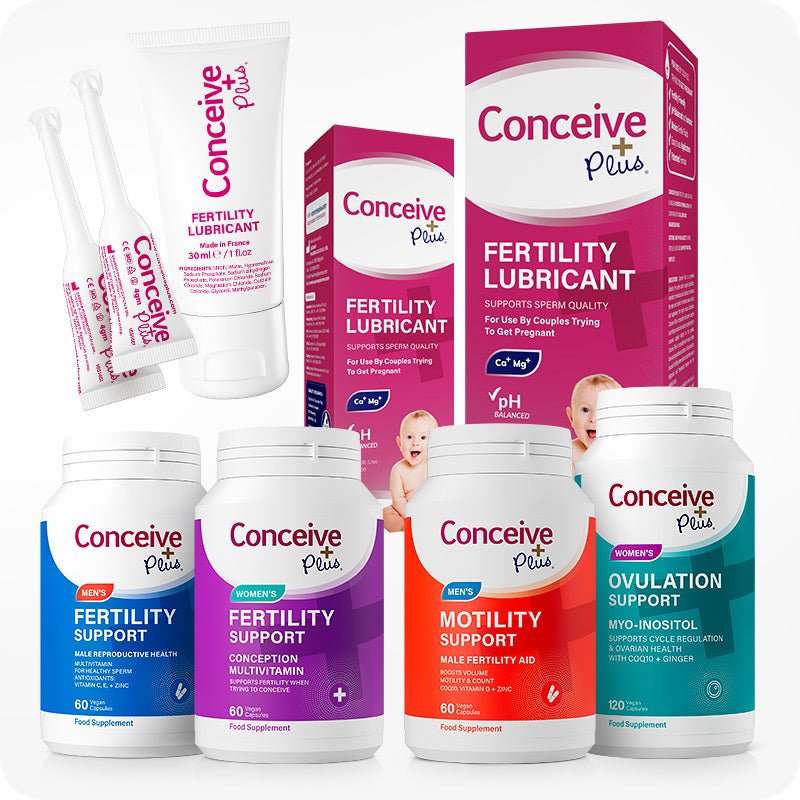
Even an excellent fertility diet can leave gaps. Folate, CoQ10, vitamin D, omega-3, and zinc are difficult to achieve at therapeutic concentrations through food alone. Conceive Plus fertility supplements are formulated to complement a nutrient-rich diet by delivering the specific micronutrients that most directly support reproductive health — for both women and men. The complete Conceive Plus range covers women's fertility support, men's fertility support, ovulation support, and the award-winning Conceive Plus fertility lubricant.
→ Shop Conceive Plus at conceiveplus.eu
Frequently Asked Questions: Fertility Diet
Q1: How long does it take for dietary changes to affect fertility?
Egg development (folliculogenesis) takes approximately 90 days. Sperm production takes 72–90 days. Meaningful improvements in egg quality, sperm parameters, and hormonal balance from dietary changes are expected to appear within this 3-month window. Start at least 3 months before your target conception date.
Q2: Is the Mediterranean diet suitable for women with PCOS?
Yes — it's one of the most recommended patterns for PCOS management. Its emphasis on low-GI carbohydrates and anti-inflammatory foods directly addresses the insulin resistance and inflammation central to PCOS. Some women with PCOS may benefit from the addition of inositol supplementation alongside a Mediterranean-style diet.
Q3: Do I need to go fully organic to eat a fertility diet?
Not entirely — but strategically choosing organic for the highest-pesticide-residue produce is a reasonable precaution. Overall dietary quality matters more than organic status for most people.
Q4: Can men benefit from a fertility diet too?
Absolutely. The Mediterranean diet is as beneficial for sperm quality as for egg quality. Key nutrients — zinc, selenium, lycopene, folate, omega-3, antioxidant vitamins — are all important for male fertility. Both partners should adopt a fertility-supportive diet for best results.
Q5: What about vegetarian or vegan fertility diets?
A well-planned plant-based diet can be highly fertility-supportive. Key nutrients to monitor: vitamin B12 (supplement if plant-based), omega-3 DHA/EPA (use algae-based supplements), and zinc and iron (plant sources are less bioavailable — ensure adequate intake and pair with vitamin C).
Q6: Does coffee affect fertility?
Up to 200 mg/day (roughly 1–2 cups) appears safe based on current evidence. Higher consumption has been associated with delayed conception and increased risk of early miscarriage in some studies. Switching to half-caf or limiting to 1 cup/day is a prudent approach during TTC.
Q7: Is intermittent fasting safe while trying to conceive?
The evidence is limited for fertility specifically. Some forms of intermittent fasting improve insulin sensitivity (beneficial for PCOS), but severe caloric restriction can impair hypothalamic GnRH pulsatility and disrupt ovulation. Focus on food quality over eating windows during active TTC.
Q8: How important is gut health for fertility?
Increasingly important. The gut microbiome influences oestrogen metabolism, systemic inflammation, and nutrient absorption. A high-fibre, diverse-plant diet supports a healthy microbiome. Some researchers are exploring probiotic supplementation as a fertility support — early data is promising.
Q9: Can a fertility diet help if I have endometriosis?
Evidence suggests an anti-inflammatory diet reduces endometriosis symptoms and may improve fertility outcomes. Key: maximise omega-3 (anti-inflammatory), minimise trans fats and refined sugar (pro-inflammatory), and consider magnesium and vitamin D supplementation. Some studies suggest reduced red meat consumption may lower endometriosis progression risk.
Q10: What is the most important single dietary change for fertility?
Eliminating trans fats has the strongest evidence for reducing ovulatory infertility risk. After that, reducing refined sugar and white carbohydrates (for insulin sensitivity), increasing antioxidant-rich vegetables and fruits, and ensuring adequate folate provide the greatest fertility benefit per change made.
Ready to take action? Shop Conceive Plus fertility supplements →