Fertility Diet: How Nutrition Impacts Your Chances of Conception


Fertility Diet: How Nutrition Impacts Your Chances of Conception
What you eat before and during your conception journey has a measurable impact on fertility. While diet cannot overcome all fertility challenges, the scientific evidence is clear: certain eating patterns and specific nutrients significantly improve reproductive outcomes for both men and women.
This comprehensive guide to the fertility diet examines what the research actually says about nutrition and conception, which foods support hormonal balance and egg quality, and how dietary changes can complement your broader TTC strategy.
The Science Behind Diet and Fertility
Fertility is a whole-body process. Egg quality, sperm production, hormone synthesis, embryo implantation—all depend on cellular processes that require specific nutrients. When key nutrients are deficient, these processes are compromised at a fundamental level.
The landmark Nurses' Health Study, which followed more than 18,000 women trying to conceive over 8 years, found that dietary patterns accounted for significant variation in ovulatory infertility rates. Women following what researchers termed a "fertility diet" had a 66% lower risk of ovulatory infertility than those with the least healthy diets.
More recently, a 2018 meta-analysis in Human Reproduction Update found that both Mediterranean diet adherence and specific nutrients (folate, vitamin D, iodine, omega-3 fatty acids) were positively associated with improved fertility outcomes.
The Mediterranean Diet: The Fertility Diet Blueprint
Ready to support your fertility journey? Explore the full Conceive Plus range at https://conceiveplus.eu. Trusted by fertility specialists worldwide.
No single diet has more scientific support for fertility than the Mediterranean diet. Characterised by high intake of vegetables, fruits, whole grains, legumes, nuts, olive oil, and fish—with moderate dairy and limited red meat and processed foods—it appears to support fertility through multiple mechanisms:
- Rich in antioxidants that protect egg and sperm from oxidative damage
- Anti-inflammatory effects that may improve implantation
- Supports insulin sensitivity—critical for regular ovulation
- Provides omega-3 fatty acids essential for hormone production
- Supplies key micronutrients including folate, zinc, selenium, and vitamin E
A 2018 study of 244 women undergoing IVF found that higher Mediterranean diet adherence was associated with 65–68% higher odds of achieving a live birth. Even in natural conception, adherence to Mediterranean eating patterns consistently correlates with better outcomes in observational studies.
Key Nutrients for Female Fertility
Folate (Vitamin B9)
Folate is essential before and during early pregnancy for neural tube development—but it also plays a crucial role in egg quality and oocyte maturation. Studies show women with higher dietary folate intake have better embryo quality in IVF cycles and higher natural conception rates.
Food sources: dark leafy greens (spinach, kale), lentils, chickpeas, asparagus, avocado, fortified cereals.
Note: methylfolate (the natural, bioactive form) is better absorbed than synthetic folic acid, particularly in women with MTHFR gene variants. Look for methylfolate in supplements rather than standard folic acid.
Iron
Iron deficiency is surprisingly common in reproductive-age women (affecting up to 20%) and is associated with ovulatory infertility. The Nurses' Health Study found that women taking non-haem iron supplements had a 40% lower risk of ovulatory infertility than those not supplementing.
Food sources: red meat (haem iron, highly bioavailable), lentils, chickpeas, tofu, fortified cereals (non-haem iron, better absorbed with vitamin C).
Vitamin D
Vitamin D receptors are present in ovarian tissue, and vitamin D plays a role in follicular development and implantation. Deficiency (below 50 nmol/L) is associated with reduced IVF success rates and lower fertility in natural conception. European women—with limited sunlight exposure—are at particularly high risk of deficiency.
Food sources: oily fish (salmon, mackerel, sardines), eggs, fortified dairy. Supplementation is typically necessary in Europe, especially autumn through spring.
Omega-3 Fatty Acids
Omega-3 fatty acids—particularly DHA and EPA from marine sources—are essential for hormone synthesis, reducing inflammation, and supporting embryo quality. Women with higher omega-3 intake have longer menstrual cycles (suggesting better ovarian reserve) and better egg quality in IVF studies.
Food sources: salmon, sardines, mackerel, anchovies, herring, walnuts, flaxseed, chia seeds.
Antioxidants (Vitamins C, E, and CoQ10)
Eggs are uniquely vulnerable to oxidative stress—they're among the largest cells in the body with significant mitochondrial activity. Antioxidants protect eggs from free radical damage during the months before ovulation.
Food sources: vitamin C from citrus fruits, berries, peppers; vitamin E from nuts, seeds, olive oil; CoQ10 from meat, fish, whole grains (though food sources are insufficient for therapeutic effect—supplementation recommended).
Iodine
Iodine is essential for thyroid hormone production, and thyroid function directly affects ovulation, fertilisation, and early pregnancy. Even mild iodine deficiency can impair fertility. In Europe, iodine sufficiency varies considerably by country and diet.
Food sources: dairy products, eggs, seafood, iodised salt.
Key Nutrients for Male Fertility
Zinc
Zinc is the most important mineral for male fertility. It's required for testosterone synthesis, sperm maturation, and DNA integrity. Seminal fluid has one of the highest zinc concentrations of any body fluid. Deficiency is associated with reduced count, motility, and testosterone.
Food sources: oysters (exceptionally rich), red meat, pumpkin seeds, chickpeas, cashews, fortified cereals.
Selenium
Selenium is a component of selenoproteins that form the structural backbone of the sperm tail and protect sperm from oxidative damage. European soils are relatively selenium-poor, making dietary adequacy challenging without seafood and nuts.
Food sources: Brazil nuts (just 2 per day meets requirements), tuna, sardines, eggs.
Lycopene
Lycopene—the antioxidant that gives tomatoes their red colour—is found in high concentrations in the testes and seminal plasma. Multiple studies show lycopene supplementation (14mg/day) improves sperm concentration and motility, particularly in men with idiopathic infertility.
Food sources: cooked tomatoes (lycopene is more bioavailable from cooked/processed tomato products than raw), watermelon, pink grapefruit, papaya.
Foods to Limit When Trying to Conceive
The fertility diet isn't just about what to add—it's also about what to reduce:
Trans Fats
Industrial trans fats (partially hydrogenated vegetable oils) are strongly associated with ovulatory infertility. Even small amounts—replacing 2% of calories from carbohydrates with trans fats—doubled ovulatory infertility risk in the Nurses' Health Study. Found in many processed foods, fried foods, and some margarines.
Refined Carbohydrates and High-GI Foods
High glycaemic foods cause rapid insulin spikes that can disrupt ovulation. Women with PCOS are particularly sensitive to insulin resistance, which can prevent ovulation entirely. Replacing refined carbs with slow-digesting, high-fibre carbohydrates (whole grains, legumes, vegetables) supports stable insulin levels and more regular ovulation.
Excessive Alcohol
More than 4 drinks per week is associated with reduced fertility in women. In men, heavy alcohol consumption reduces testosterone and sperm quality. The safest advice when TTC: both partners should minimise alcohol, particularly during the fertile window and post-ovulation.
High-Mercury Fish
Swordfish, shark, marlin, and king mackerel accumulate high levels of mercury, which is toxic to developing eggs and embryos. Limit to no more than 1 portion per month. Choose lower-mercury options like salmon, sardines, and shrimp for omega-3 benefits without the risk.
Processed Meats
Processed meats (bacon, ham, sausages, salami) contain nitrites, saturated fats, and other compounds associated with reduced sperm quality in men and higher ovulatory infertility in women. Limit to occasional consumption.
Excessive Caffeine
The evidence on caffeine is mixed, but most guidelines recommend limiting caffeine to 200mg per day (approximately 2 cups of coffee) when TTC and during pregnancy. Higher intakes may be associated with reduced fertility and increased miscarriage risk.
The Fertility Diet Meal Plan: Practical Daily Guidance
Building a fertility-supportive day looks like this:
Breakfast: Eggs (two) with spinach on whole grain sourdough, with a side of berries and a small glass of orange juice.
Lunch: Lentil soup with whole grain bread, or Mediterranean salad with sardines, olives, chickpeas, cucumber, tomato, and olive oil dressing.
Snacks: Handful of mixed nuts (walnuts, Brazil nuts, almonds), whole fruit, or Greek yoghurt with honey.
Dinner: Baked salmon with roasted vegetables (broccoli, courgette, peppers) and quinoa or brown rice. Drizzle olive oil generously.
Hydration: Water primarily. Herbal teas are fine. Limit alcohol and keep caffeine moderate.
Supplements: Filling the Gaps
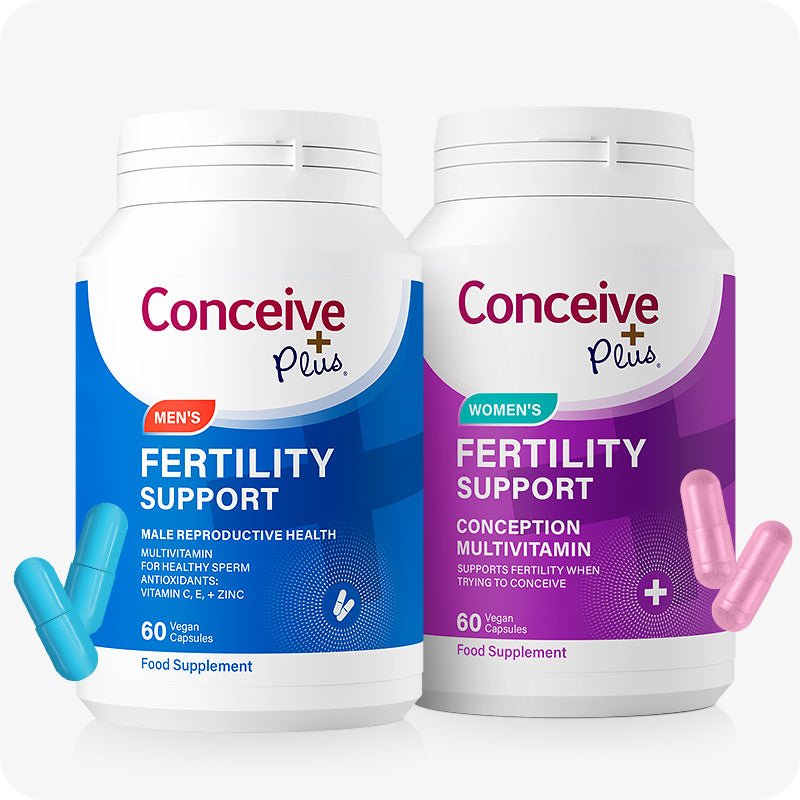
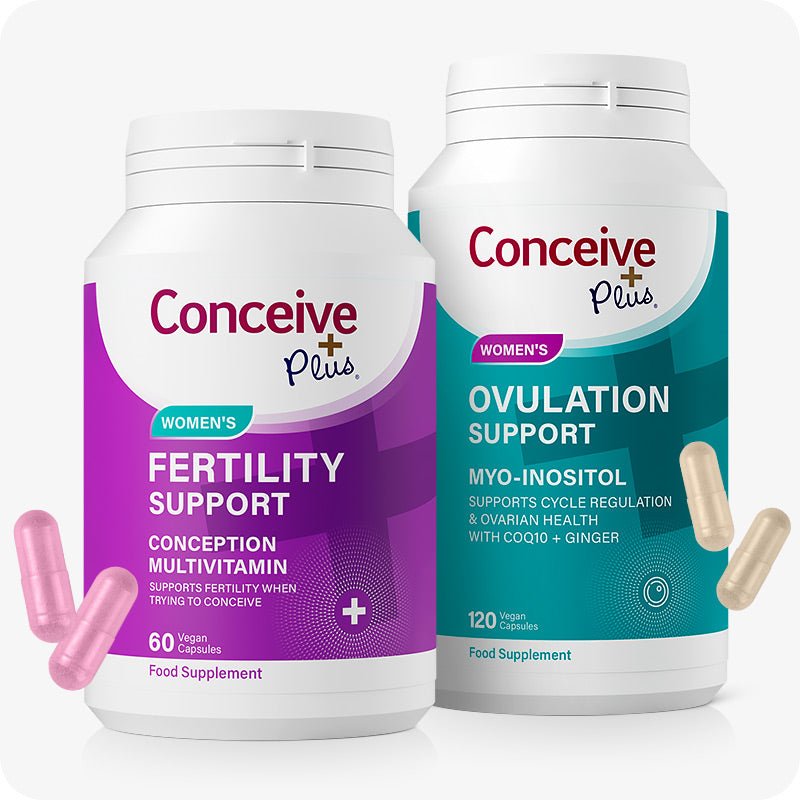
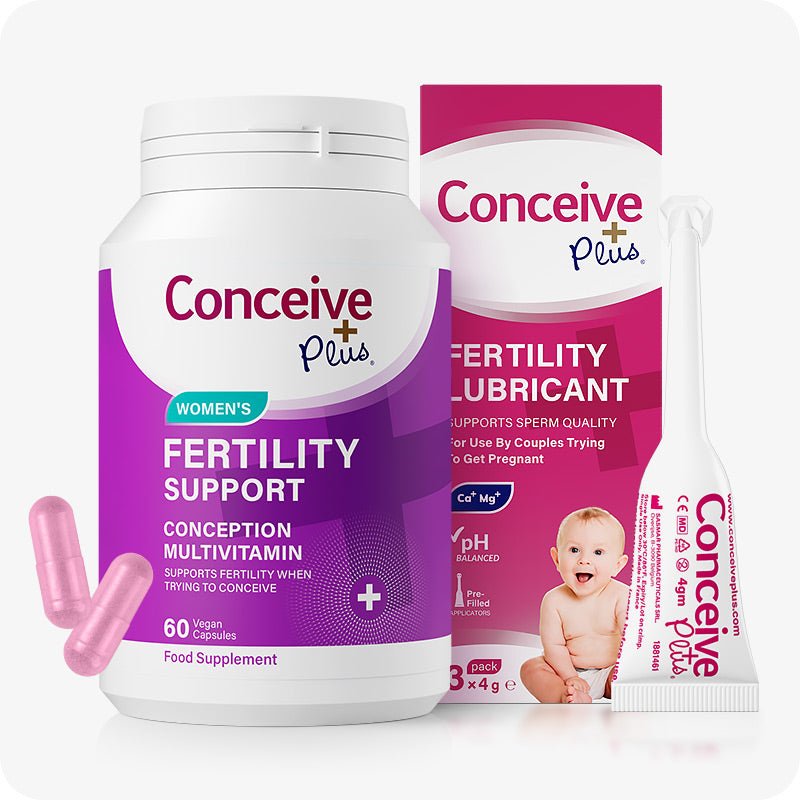
Even an excellent diet may leave gaps in fertility-critical nutrients—particularly vitamin D (insufficient sunlight in Europe), CoQ10 (difficult to get enough from food alone), and omega-3 DHA. A quality prenatal supplement provides an essential safety net.
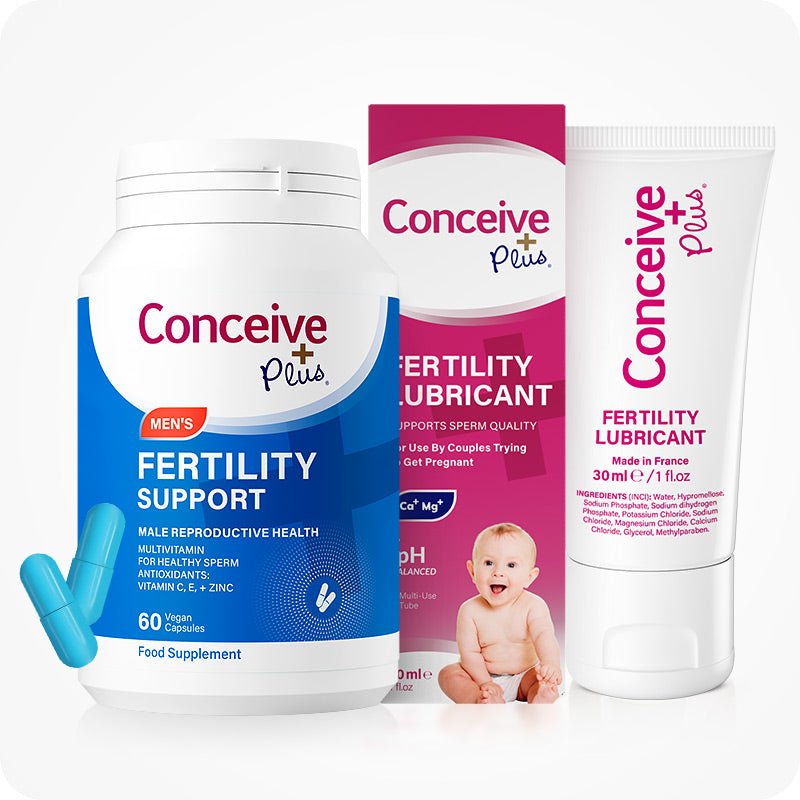
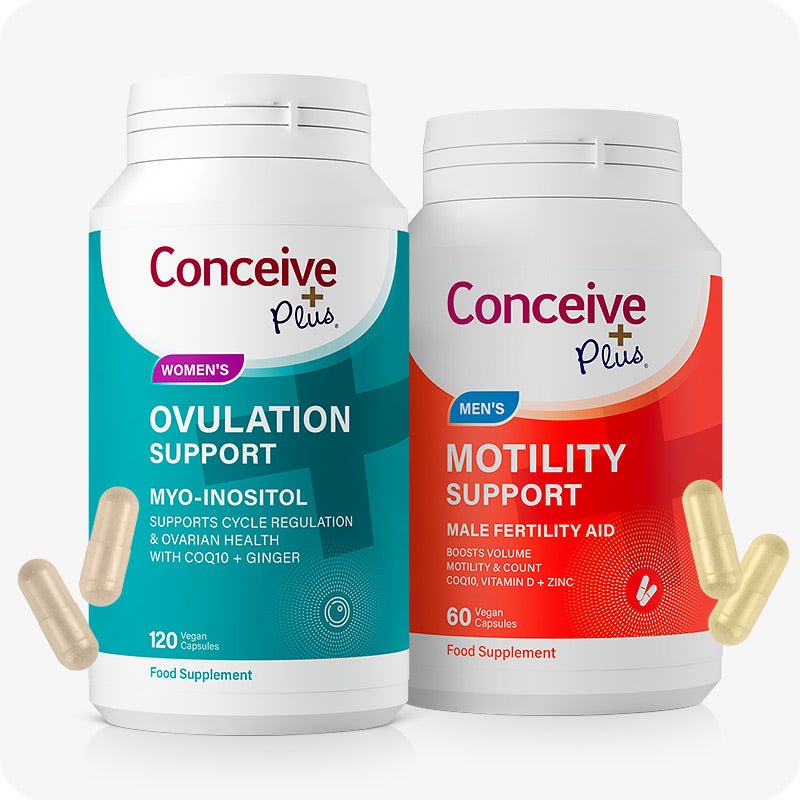
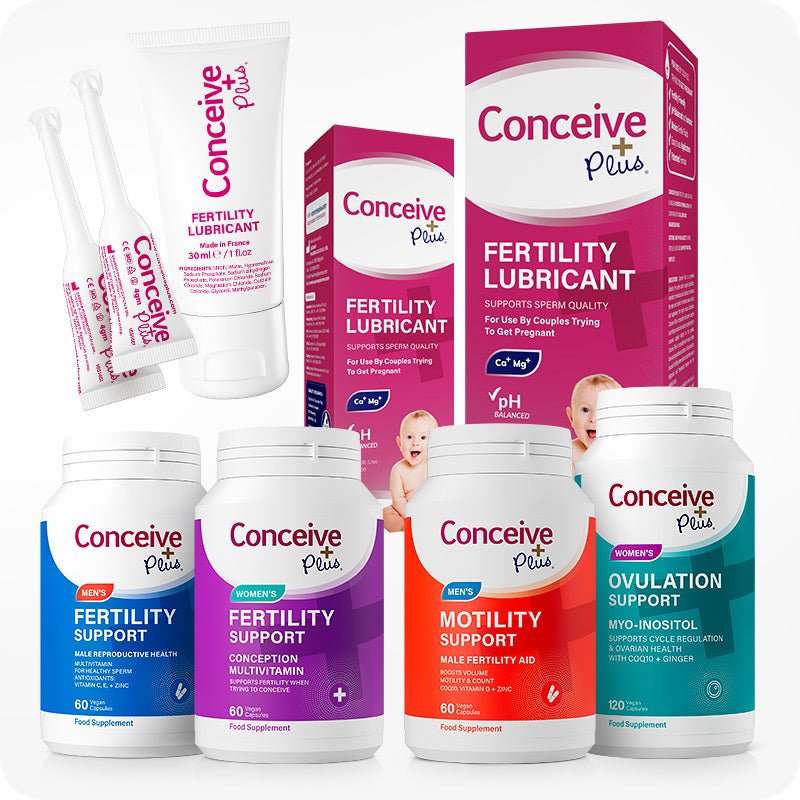
For both partners, Conceive Plus offers comprehensive fertility supplement ranges designed around the science of conception nutrition. Available at conceiveplus.eu/collections/fertility-supplements.
Body Weight and Fertility
Both underweight (BMI below 18.5) and overweight (BMI above 25) are associated with reduced fertility. Excess body fat increases oestrogen production from adipose tissue, disrupting the hormonal feedback required for regular ovulation. Low body fat reduces oestrogen production below the threshold needed to trigger ovulation.
For women with obesity-related anovulation, a 5–10% reduction in body weight frequently restores ovulatory cycles without any medical intervention. Gradual, sustainable weight loss through diet and exercise is far more effective long-term than crash dieting, which can further disrupt hormone balance.
Frequently Asked Questions About the Fertility Diet
Q: How quickly can dietary changes improve fertility?
Egg quality reflects the nutritional environment over approximately 90 days (the time for a follicle to mature). Sperm maturation also takes 72–90 days. Dietary improvements show the most meaningful effect after 3 months of consistent change.
Q: Should I go organic when trying to conceive?
Pesticide residues are present in many conventionally grown fruits and vegetables. While evidence is not definitive, some studies link high pesticide exposure to reduced sperm quality. Choosing organic for the "dirty dozen" (highest pesticide fruits/vegetables) and washing all produce thoroughly is a reasonable precaution.
Q: Is soy bad for fertility?
Soy contains phytoestrogens that were once thought to disrupt hormones. Current evidence suggests moderate soy consumption (2–3 servings/day) is not harmful for fertility and may even be beneficial in IVF outcomes. Very high intake remains cautionary.
Q: Can a vegetarian or vegan diet support fertility?
Yes, with careful planning. Key considerations for plant-based fertility diets: ensure adequate zinc (pumpkin seeds, legumes), iron (lentils, tofu with vitamin C), vitamin B12 (supplement essential for vegans), omega-3 DHA (algae-based supplement), and vitamin D (supplement).
Q: Is the ketogenic diet good for fertility?
Some evidence suggests low-carbohydrate diets can improve insulin resistance and support ovulation in women with PCOS. However, very low-fat diets can disrupt hormone production. The Mediterranean pattern—with moderate healthy fats—has better overall evidence than ketogenic approaches for general fertility.
Q: Does pineapple help implantation?
Pineapple contains bromelain, an enzyme with anti-inflammatory properties. While popular online, there's no clinical evidence that eating pineapple (particularly the core, where bromelain is most concentrated) improves implantation rates. It won't hurt, but it's not proven.
Q: Should my partner also change his diet?
Absolutely. Male nutrition is equally important—sperm quality is directly affected by diet. Both partners should follow fertility-supportive eating patterns for at least 3 months before trying to conceive.
Q: What role does gut health play in fertility?
The gut microbiome affects oestrogen metabolism, immune function, and inflammation—all of which influence fertility. A diverse, fibre-rich diet supports a healthy microbiome. Probiotics may also be beneficial, though fertility-specific evidence remains preliminary.
Q: Are there specific foods that boost egg quality?
No single food can restore diminished egg quality, but antioxidant-rich foods (berries, leafy greens, nuts), CoQ10 (meat, fish), and omega-3 sources (oily fish) all contribute to reducing oxidative stress in developing follicles.
Q: How important is hydration for fertility?
Adequate hydration supports cervical mucus production and uterine blood flow. Aim for 2–2.5 litres of water daily. Dehydration can reduce cervical mucus quality, making it less hospitable to sperm.
Starting Your Fertility Diet Today
The fertility diet is not a short-term cleanse—it's a sustainable way of eating that supports reproductive health over the long term. Focus on adding nutrient-dense whole foods rather than eliminating everything at once, build habits gradually, and remember that both partners' diets matter equally.
Pair your dietary changes with a quality fertility supplement to fill any nutritional gaps. The Conceive Plus supplement range is formulated with the exact nutrients shown to support conception—available across Europe at conceiveplus.eu/collections/fertility-supplements.
Ready to support your fertility journey? Explore the full Conceive Plus range at https://conceiveplus.eu. Trusted by fertility specialists worldwide.