Fertility Supplements for Women: What the Science Actually Says


Fertility Supplements for Women: What the Science Actually Says
The market for fertility supplements for women has exploded in recent years, with hundreds of products making bold claims about improving egg quality, regulating cycles, and boosting conception rates. But which supplements actually have scientific evidence behind them, and which are simply marketing hype? This comprehensive guide cuts through the noise, examining what the science actually says about the most popular fertility supplements for women in 2026.
Why Women Take Fertility Supplements: The Biological Rationale
Before evaluating specific fertility supplements for women, it's worth understanding why supplementation can be beneficial in the context of fertility. Several factors make nutritional optimisation important for women trying to conceive:
Nutrient depletion: Modern diets, even "healthy" ones, often fall short of the quantities of certain micronutrients needed to support optimal reproductive function. Processing, storage, and intensive farming methods have reduced the nutrient density of many foods compared to decades past.
Oxidative stress: The menstrual cycle, ovarian ageing, and exposure to environmental toxins all generate oxidative stress, which can damage DNA in developing eggs (oocytes). Antioxidant nutrients help neutralise this damage.
Age-related decline: Egg quality diminishes with age, primarily due to impaired mitochondrial function and reduced capacity to repair DNA damage. Certain supplements — particularly CoQ10 — may support mitochondrial function and partially mitigate age-related decline.
Specific deficiencies: Many women enter pregnancy deficient in key nutrients like folate, vitamin D, and iron. Correcting these deficiencies before conception improves both fertility outcomes and foetal development.
The Evidence Tier System: How We Rate Fertility Supplements
🌿 Try Conceive Plus today — trusted by thousands of couples worldwide. Shop Now →
We've categorised each supplement based on the strength of available evidence:
- 🟢 Strong Evidence: Multiple well-designed randomised controlled trials (RCTs) with consistent positive findings
- 🟡 Moderate Evidence: Some RCT evidence, but limited by study size, duration, or inconsistent findings
- 🟠 Emerging Evidence: Promising preliminary research, but larger trials needed
- 🔴 Weak/No Evidence: Limited or conflicting evidence, or mostly animal/in vitro data
Folate (and Methylfolate): Non-Negotiable
Evidence Level: 🟢 Strong
Folate (the natural form) and folic acid (the synthetic supplement form) are without question the most important fertility supplements for women. The evidence for folate supplementation before and during early pregnancy is overwhelming: adequate folate intake reduces the risk of neural tube defects (NTDs) like spina bifida by up to 70%.
But folate's role extends beyond NTD prevention. It's essential for DNA synthesis and repair, cell division (critical during rapid embryonic development), and healthy homocysteine metabolism. Elevated homocysteine is associated with implantation failure and early pregnancy loss.
The standard recommendation is 400–800mcg of folic acid daily, beginning at least 3 months before conception. However, an estimated 40–60% of women carry a genetic variant (MTHFR mutation) that impairs the conversion of folic acid to its active form. For these women, supplementing with methylfolate (5-MTHF) — the bioactive form — is more effective.
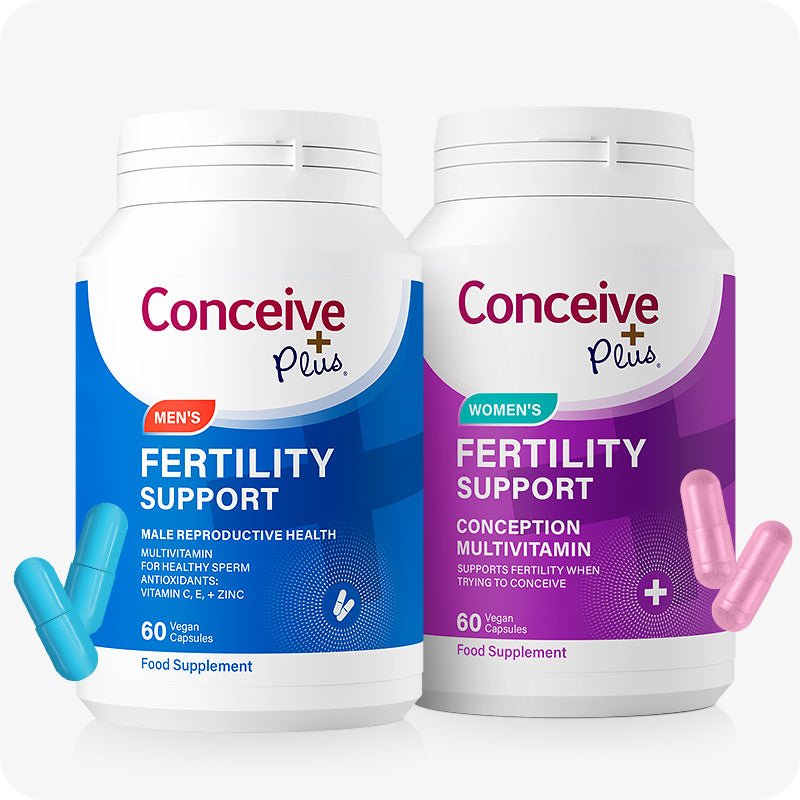
Conceive Plus women's fertility supplements provide folate in its most bioavailable form, ensuring you get the full benefit regardless of genetic variations.
Coenzyme Q10 (CoQ10): The Egg Quality Supplement
Evidence Level: 🟢 Strong
CoQ10 is arguably the most exciting area of fertility supplement research in recent years. It's a fat-soluble antioxidant found naturally in cells, particularly in mitochondria — the energy-producing organelles that eggs rely on for the energy-intensive process of division during fertilisation.
Here's why CoQ10 has become so prominent in fertility science:
- CoQ10 levels in the follicular fluid surrounding eggs correlate with egg quality and fertilisation rates
- CoQ10 declines with age, paralleling the decline in egg quality
- Animal studies showed that CoQ10 supplementation could reverse age-related fertility decline in mice — a landmark finding that sparked interest in human applications
- A 2018 RCT in women undergoing IVF found that CoQ10 supplementation (600mg/day for 2 months) improved ovarian response, egg quality, and fertilisation rates
For women over 35, or those with reduced ovarian reserve, CoQ10 supplementation (200–600mg/day) is widely recommended by reproductive specialists. It's typically recommended to start at least 3 months before a planned conception attempt or IVF cycle, as it takes time to build up in ovarian tissue.
Vitamin D: The Fertility Vitamin You're Probably Deficient In
Evidence Level: 🟢 Strong
Vitamin D deficiency is remarkably common — studies suggest 40–75% of European women have insufficient vitamin D levels — and it has significant implications for fertility. Vitamin D receptors are found throughout the female reproductive system, including in the ovaries, uterus, and placenta, suggesting it plays an important role in reproductive function.
Research links adequate vitamin D status to:
- Better IVF outcomes (higher clinical pregnancy rates in women with adequate vitamin D)
- Improved endometrial receptivity for embryo implantation
- Reduced risk of pregnancy complications including gestational diabetes and preeclampsia
- Better outcomes in women with PCOS (who have particularly high rates of vitamin D deficiency)
The recommended daily intake for women trying to conceive is typically 1,000–2,000 IU, but many fertility specialists recommend testing vitamin D levels and supplementing to bring levels above 75 nmol/L (30 ng/mL). Women living in northern Europe or those who spend little time outdoors may require higher doses.
Omega-3 Fatty Acids: Anti-Inflammatory Fertility Support
Evidence Level: 🟡 Moderate
Omega-3 fatty acids, particularly DHA and EPA from marine sources, have anti-inflammatory properties that may benefit fertility in several ways:
- Regulate prostaglandins involved in ovulation and implantation
- Support blood flow to the uterus and ovaries
- May improve embryo quality (DHA is a key structural component of cell membranes)
- Important for foetal brain and eye development once conception occurs
A 2020 cohort study found that women with higher omega-3 intake had higher rates of clinical pregnancy, and a 2022 RCT found that DHA supplementation improved outcomes in women with diminished ovarian reserve. While more large-scale RCT evidence is needed, the safety profile of omega-3s is excellent and the potential benefits are significant.
Inositol (Myo-Inositol and D-Chiro-Inositol): PCOS Game-Changer
Evidence Level: 🟢 Strong (for PCOS)
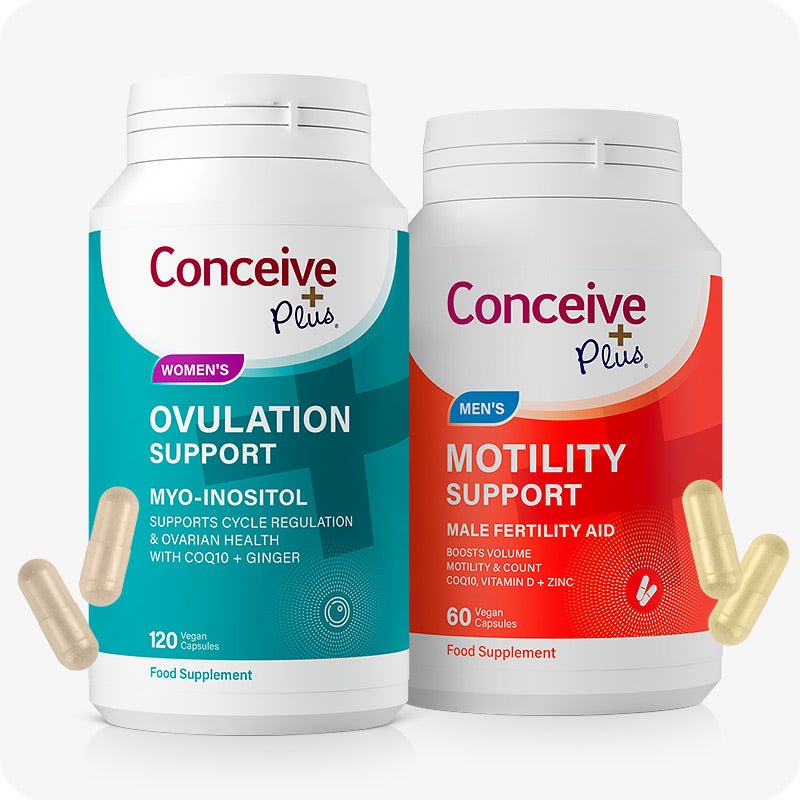
Inositol deserves a special mention as one of the most evidence-based fertility supplements for women with PCOS. Myo-inositol (MI) and its isomer D-chiro-inositol (DCI) are naturally occurring compounds involved in insulin signalling — a key issue in PCOS.
Multiple RCTs have shown that MI supplementation (typically 2–4g/day) in women with PCOS can:
- Improve insulin sensitivity and reduce insulin resistance
- Restore regular ovulation (menstrual cycle regularisation observed in 65–70% of participants in some studies)
- Reduce testosterone levels and associated symptoms (excess hair, acne)
- Improve egg quality in IVF cycles
- Compare favourably to metformin with fewer side effects
The optimal ratio of MI to DCI for fertility appears to be 40:1, as found in human follicular fluid. Most fertility-focused inositol supplements use this ratio.
Iron: Critical but Often Overlooked
Evidence Level: 🟡 Moderate
Iron deficiency anaemia affects approximately 20% of women of reproductive age in Europe and can impair fertility through multiple mechanisms: disrupting ovulation, impairing egg quality, and reducing energy available for conception-related cellular processes.
A large prospective study (the Nurses' Health Study II) found that supplemental iron intake was associated with a lower risk of ovulatory infertility. However, the relationship is U-shaped — excessive iron can also be harmful. The key is to test iron levels before supplementing and target supplementation to women who are actually deficient.
Vitamin C and E: Antioxidant Pair
Evidence Level: 🟡 Moderate
Vitamins C and E work synergistically as antioxidants to protect eggs from oxidative stress. While individual studies show mixed results, the combination is broadly beneficial and safe. They're typically included in comprehensive women's fertility formulas rather than taken as standalone supplements.
N-Acetyl Cysteine (NAC): Emerging Fertility Star
Evidence Level: 🟠 Emerging
NAC is a precursor to glutathione — the body's most important antioxidant. It's been used clinically for PCOS management (showing comparable results to metformin in some studies) and is gaining attention for its role in improving endometrial receptivity and egg quality. While more research is needed, NAC is increasingly included in comprehensive fertility protocols.
What the Science Says About Popular But Unproven Supplements
Not every supplement marketed for fertility has evidence to support it:
- Royal Jelly: Despite popularity in fertility circles, evidence is largely anecdotal and from small studies. Not currently recommended by evidence-based guidelines.
- Vitex (Chaste Tree Berry): May help with cycle regularity in women with luteal phase defects, but evidence is limited and it may interfere with ovulation induction medications.
- DHEA: Evidence for improving ovarian reserve in women with diminished reserve undergoing IVF, but should only be used under medical supervision due to hormonal effects.
Frequently Asked Questions About Fertility Supplements for Women
Q: When should I start taking fertility supplements for women?
A: Ideally, start 3 months before you plan to begin trying to conceive. This gives nutrients time to build up in your body and allows folate to provide protection during the critical early weeks of pregnancy (before you may even know you're pregnant).
Q: Can I take too many fertility supplements?
A: Yes — fat-soluble vitamins (A, D, E, K) can accumulate to toxic levels. Vitamin A in particular (as retinol, not beta-carotene) can be teratogenic in high doses. Always follow recommended doses and consult your doctor before taking high-dose single supplements.
Q: Do I still need supplements if I eat a healthy diet?
A: For most nutrients, a healthy diet provides adequate amounts. However, folate and vitamin D are exceptions — virtually all women trying to conceive benefit from supplementing these regardless of diet. CoQ10 is difficult to get in meaningful amounts from food alone.
Q: Are prenatal vitamins the same as fertility supplements?
A: There's significant overlap, but they're not identical. Fertility supplements often include additional ingredients like CoQ10, inositol, and higher doses of antioxidants that aren't typically found in prenatal vitamins. Many women use a quality prenatal vitamin alongside targeted fertility supplements.
Q: What does Conceive Plus Women's Fertility contain?
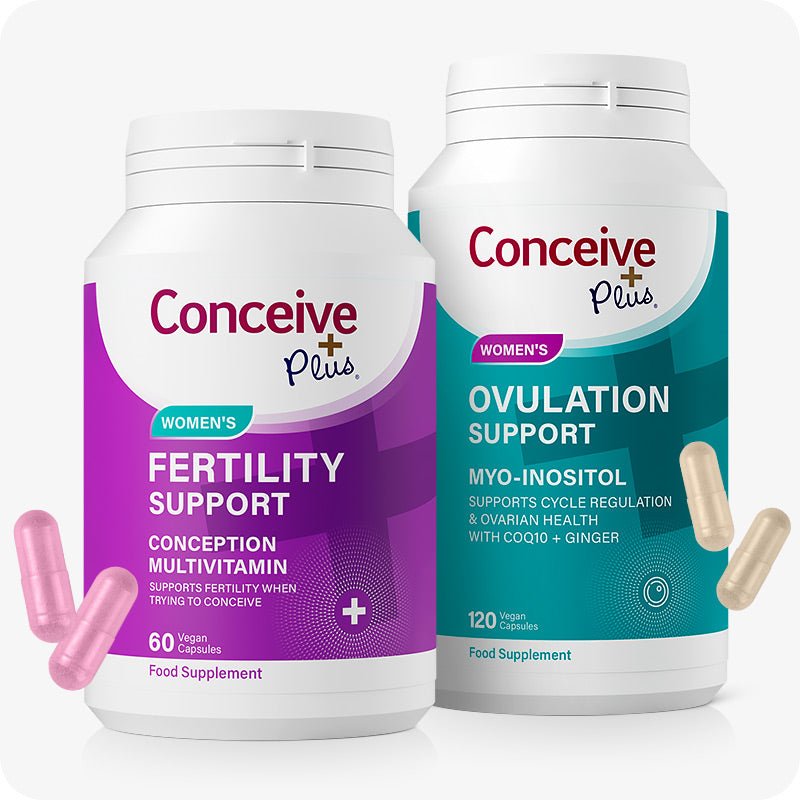
A: Conceive Plus Women's Fertility is a comprehensive formula containing methylfolate, CoQ10, vitamin D3, iron, vitamin C, vitamin E, and other key fertility-supporting nutrients, all in clinically relevant doses and highly bioavailable forms.
Q: Can fertility supplements help if I have unexplained infertility?
A: Possibly. Unexplained infertility is often associated with subclinical nutritional deficiencies or oxidative stress that standard fertility tests don't detect. A comprehensive antioxidant and micronutrient protocol is a reasonable and low-risk intervention to try while undergoing further investigation.
Q: How long do fertility supplements take to work?
A: Most supplements require 3 months of consistent use to show meaningful improvements, as this corresponds to the development cycle of follicles that will ovulate 3 months later. CoQ10, in particular, needs time to accumulate in ovarian tissue.
Q: Are all brands of fertility supplements for women equally good?
A: No — quality varies significantly. Look for supplements that use bioavailable forms of nutrients (methylfolate vs folic acid, D3 vs D2, chelated minerals), have third-party testing for purity and potency, and contain clinically relevant doses rather than token amounts.
Building Your Fertility Supplement Stack
Based on the evidence, here's a science-backed foundation for most women trying to conceive:
- Methylfolate (400–800mcg/day) — non-negotiable baseline
- Vitamin D3 (1,000–2,000 IU/day, or test and dose accordingly)
- CoQ10 (200–600mg/day — higher dose for women over 35 or with poor ovarian reserve)
- Omega-3 DHA/EPA (500–1,000mg combined DHA+EPA/day)
- Iron (only if deficient — test first)
- Myo-Inositol (2–4g/day — especially if you have PCOS or insulin resistance)
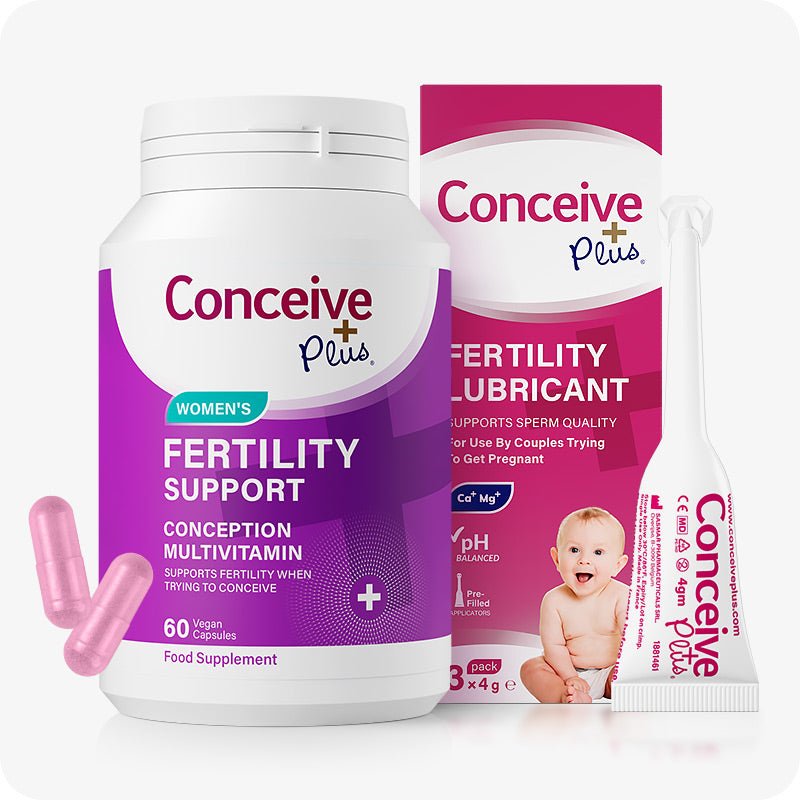
The simplest approach is a quality comprehensive women's fertility supplement like Conceive Plus Women's Fertility, which combines these key nutrients in a single formula.
Conclusion: Evidence-Based Supplementation for Fertility
The evidence for fertility supplements for women is strongest for folate, vitamin D, and CoQ10 — three supplements that every woman trying to conceive should seriously consider. The evidence for omega-3s, inositol (particularly for PCOS), and comprehensive antioxidant support is also compelling.
The key is to take a targeted, evidence-based approach — starting with supplements that have the strongest evidence for your specific situation, choosing high-quality formulations, and allowing sufficient time (3+ months) for benefits to manifest. Combined with a healthy diet, lifestyle optimisation, and timely medical evaluation, evidence-based supplementation gives you every advantage in your fertility journey.
Medical Disclaimer: This article is for informational purposes only and does not constitute medical advice. Always consult with a qualified healthcare provider or fertility specialist before beginning any supplement regimen. Individual results may vary.
Ready to start your fertility journey? Explore Conceive Plus Products →