How to Increase Sperm Count: A Science-Backed 90-Day Roadmap


Did you know that in approximately 35% of couples struggling to conceive, the primary cause is related to male fertility factors? It's a startling number that often leaves men feeling isolated and anxious about their semen analysis results. If you've looked at your numbers and felt a sense of dread, you're not alone. It's easy to get lost in a sea of conflicting diet advice or feel frustrated by how long it takes to see any real progress. You want answers, but the biological clock doesn't always seem to move at your pace.
The good news is that your fertility isn't a permanent snapshot; it's the result of a continuous 90-day manufacturing process that you can actively influence. This article explains exactly how to increase sperm count by working with your body's natural biological timeline. We'll cut through the confusion to provide a science-backed roadmap for improvement. You'll learn about the current WHO standards for "normal" counts, the lifestyle changes that actually move the needle, and the specific dietary strategies needed to optimize your health. By the end of this guide, you'll have a clear action plan to improve your results and support a successful conception.
Key Takeaways
- Understand the 90-day spermatogenesis cycle and why consistency is the most important factor in seeing measurable improvements.
- Learn how to increase sperm count by adopting a Mediterranean-style diet that protects developing cells from oxidative stress.
- Identify and eliminate environmental "heat stress" factors, such as laptop use and tight clothing, that can impair optimal production.
- Establish a daily fertility routine that incorporates antioxidant-rich nutrition and stress management techniques like box breathing.
- Know exactly when to consult a specialist based on your age, medical history, and specific physical symptoms.
Understanding the 90-Day Sperm Production Cycle
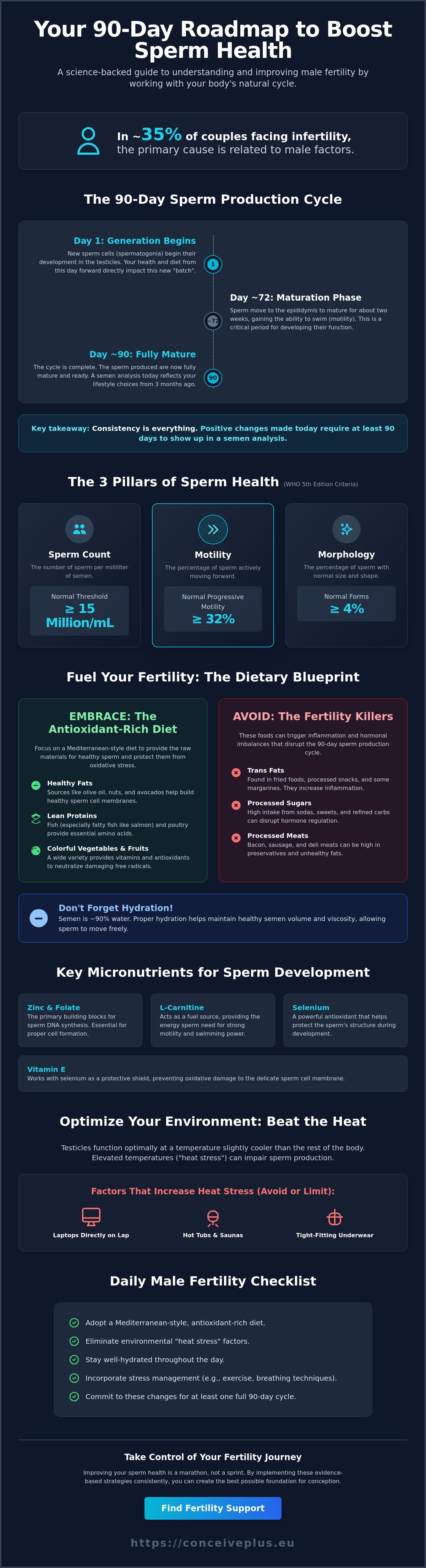
To understand how to increase sperm count, you first have to look at the biological factory inside the body. This process is called spermatogenesis. It isn't an overnight event. It takes between 72 and 90 days for a sperm cell to fully develop from its earliest stage until it's ready for ejaculation. This biological timeline is the reason why "quick fixes" or a single week of healthy eating won't show up on a semen analysis immediately. You're essentially looking at the results of your lifestyle choices from three months ago.
Consistency is the foundation of male fertility. If you start a new supplement or quit smoking today, those changes are influencing the cells that will be ready in about 12 weeks. One healthy week isn't enough to overhaul your fertility profile because the "batch" currently in production has already been exposed to previous environmental factors. Successful optimization requires a sustained commitment to healthy habits for the duration of at least one full cycle.
The Three Pillars of Sperm Health
When specialists evaluate your fertility, they look at several key metrics to determine your overall reproductive potential. A foundational step in understanding semen quality involves looking at these three specific areas:
- Sperm Count (Concentration): This measures how many sperm are present in each milliliter of semen. The current World Health Organization (WHO) standard for a normal concentration is at least 15 million spermatozoa per mL.
- Motility: This refers to the "swimming" ability of the sperm. To reach and fertilize an egg, at least 32% of the sperm should show progressive motility, meaning they are moving forward in a straight line or large circles.
- Morphology: This is the study of the sperm's size and shape. Normal morphology means at least 4% of the sperm have a standard oval head and a long tail, which allows them to penetrate the egg's outer layer effectively.
Why the 90-Day Window is Your Best Opportunity
While the 90-day wait can feel frustrating, it's actually your greatest advantage. It means you have a fresh opportunity every three months to produce a higher-quality batch. After the initial production in the testicles, sperm move to the epididymis. This is a long, coiled tube where they spend about two weeks maturing and gaining the ability to swim. Because this process is ongoing, every positive change you make today is an investment in your future fertility. When planning your next semen analysis, always wait at least 90 days after starting a new protocol to ensure the results reflect your current efforts on how to increase sperm count.
Nutritional Foundations to Boost Sperm Count
Dietary choices act as the raw material for your internal sperm factory. Because sperm cells have a high concentration of polyunsaturated fatty acids in their membranes, they are uniquely vulnerable to oxidative stress. When free radicals outnumber antioxidants in the body, they can damage sperm DNA and reduce overall vitality. Adopting a nutrient-dense approach is one of the most effective ways to understand improving your fertility through lifestyle changes.
Research consistently points to the Mediterranean diet as the gold standard for reproductive health. This eating pattern focuses on healthy fats from olive oil, lean proteins like fish, and a massive variety of colorful vegetables. These foods provide the antioxidants necessary to neutralize free radicals before they can harm developing sperm. Conversely, modern "fertility killers" such as trans fats found in fried foods and excessive processed sugars can trigger inflammation. This inflammation can disrupt the hormonal balance required for the 90-day production cycle discussed earlier.
Don't overlook the simple role of water. Semen is approximately 90% water, meaning chronic dehydration can lead to lower semen volume and increased viscosity. When semen is too thick, it's harder for sperm to move. Maintaining high hydration levels is a simple but essential step when researching how to increase sperm count and improve overall semen quality.
Essential Micro-nutrients for Male Fertility
Specific vitamins and minerals are critical for the different stages of sperm development. Zinc and folate work together as the primary building blocks for DNA synthesis. Without enough zinc, sperm cells may not develop properly during the early stages of the cycle. L-Carnitine acts as the fuel for the engine, providing the energy sperm need for motility so they can swim effectively toward the egg. Additionally, selenium and vitamin E act as a protective shield, working synergistically to prevent oxidative damage to the sperm cell membrane.
The Role of Targeted Fertility Support
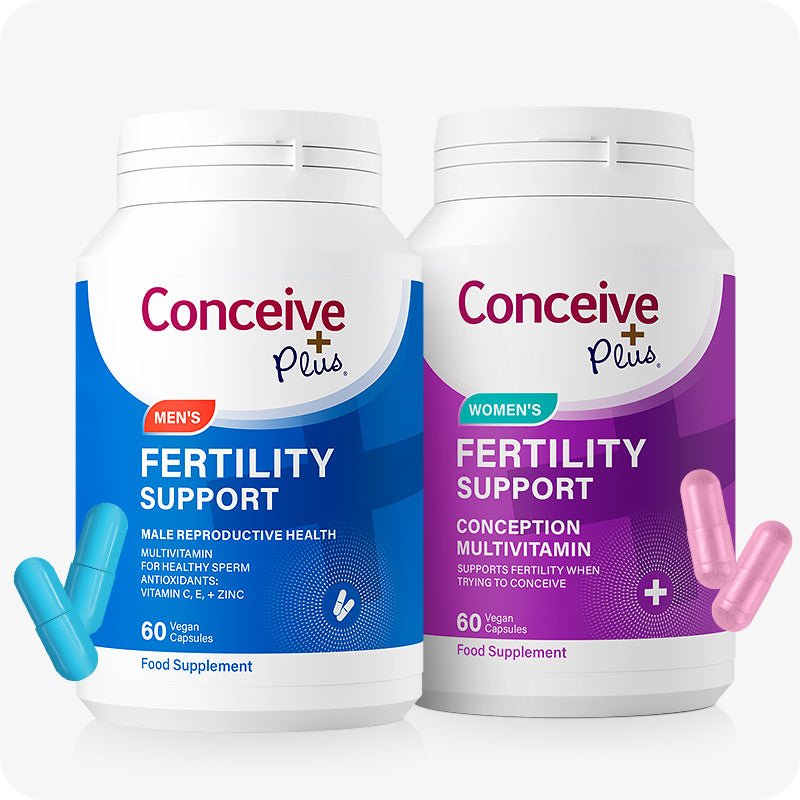
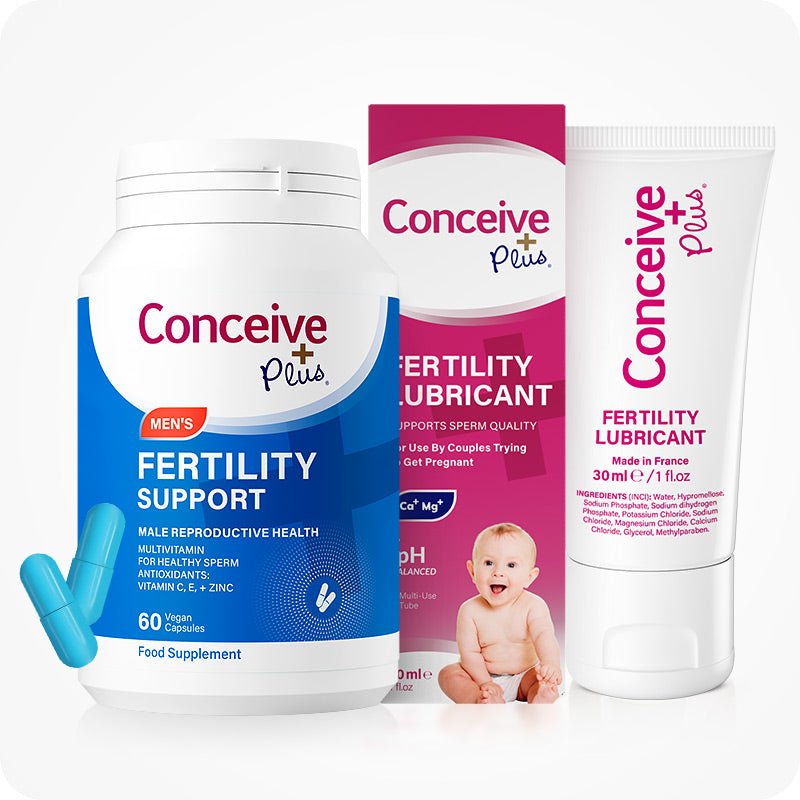
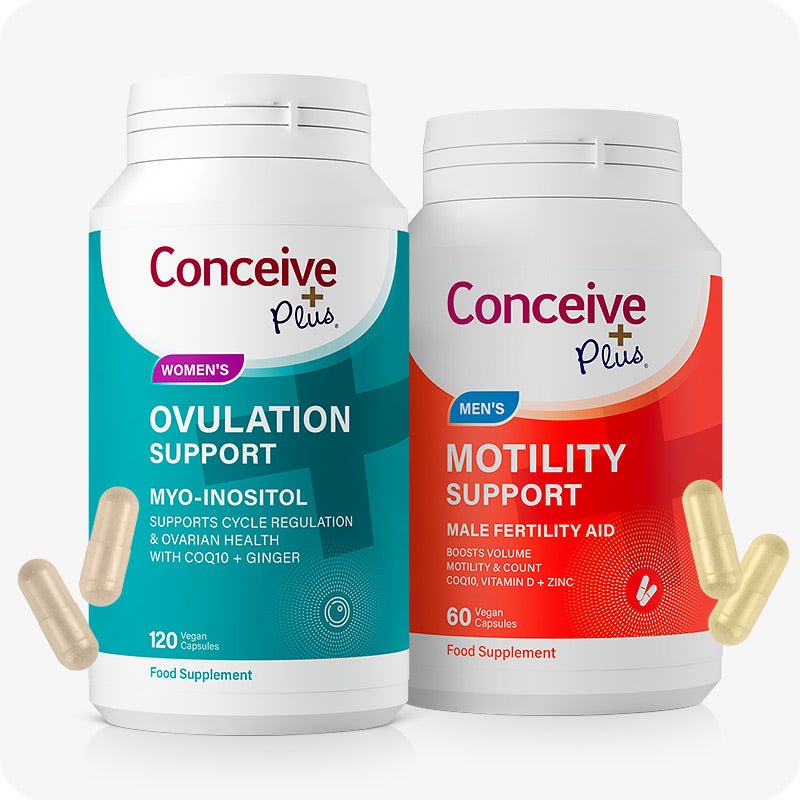
Meeting these high nutrient demands through whole foods alone can be challenging, especially with modern soil depletion and busy lifestyles. This is where fertility-specific nutrient bundles become valuable. They provide a consistent, daily baseline of the exact vitamins and minerals required for healthy spermatogenesis. When choosing support, look for high-quality, bioavailable ingredients that the body can easily absorb and utilize. For those ready to take the next step in their journey, exploring professional-grade fertility support options can help bridge the nutritional gap and optimize the next 90-day cycle.
Lifestyle Adjustments: Cooling and Cleaning the Environment
Your body's biological design offers a major clue about male reproductive health. Testicles are located outside the body because the process of spermatogenesis requires a temperature approximately two to three degrees Celsius lower than your core body temperature. When this delicate thermal balance is disrupted, sperm production slows down and the quality of the sperm being manufactured can drop significantly. Understanding Healthy sperm: Improving your fertility involves more than just eating well; it requires cooling and cleaning your daily environment.
Modern habits frequently create a state of chronic heat stress. Keeping a laptop directly on your lap, frequenting hot tubs, or wearing tight clothing can all raise scrotal temperatures beyond the threshold for healthy production. This heat doesn't just lower the count. It can also damage the motility of the sperm currently in the maturation phase. When men research how to increase sperm count, they often focus on supplements but overlook these physical environmental factors that can sabotage their efforts.
Beyond temperature, environmental toxins known as endocrine disruptors pose a serious threat. Chemicals like BPA and phthalates, found in many plastics and personal care products, mimic estrogen in the body. This creates a hormonal imbalance that can lower testosterone levels and interfere with the 90-day manufacturing cycle. Sleep hygiene is equally vital for hormonal health. Since the majority of testosterone is produced during deep sleep, getting 7 to 8 hours of rest is a non-negotiable requirement for maintaining the internal environment needed for sperm development.
Managing Scrotal Temperature
Small changes in your daily routine can lead to significant cooling benefits. Switching from tight briefs to loose-fitting boxers is a simple way to allow for better airflow and temperature regulation. For those who work at a desk, using a standing desk or taking frequent "cooling breaks" to walk around can prevent heat buildup. You should also avoid prolonged exposure to heat from saunas or even heated car seats, as these can provide enough sustained warmth to impair the next batch of sperm.
Reducing Chemical and Toxic Exposure
Cleaning your environment means being mindful of what you touch, eat, and breathe. Filtering your tap water can help remove hormone-mimicking chemicals that often bypass standard treatment. It's also wise to swap plastic food containers for glass ones to avoid phthalate leaching, especially when heating food. Finally, the direct correlation between smoking or vaping and sperm DNA fragmentation cannot be ignored. These habits introduce oxidative stress that breaks down the genetic integrity of sperm cells. Adjusting these environmental factors is a critical component of learning how to increase sperm count over the long term.
The Daily Male Fertility Checklist
Success in improving male fertility isn't about one-off heroic efforts. It's about the small, repeatable actions you take every single day. By structuring your day around the 90-day cycle, you ensure that every developing cell has the best possible environment to thrive. If you're wondering how to increase sperm count, start with a structured checklist that covers your morning, afternoon, and night.
Start your morning with hydration. Drink at least 500ml of water before reaching for caffeine to support semen volume. Follow this with a high-protein breakfast rich in antioxidants, such as eggs with spinach or Greek yogurt with berries. During the workday, don't stay seated for more than an hour at a time. Use box breathing, which involves inhaling for four seconds, holding for four, and exhaling for four, to lower cortisol levels. High stress is a known disruptor of testosterone production. In the evening, turn off blue-light-emitting screens an hour before bed and keep your bedroom cool to support the deep sleep necessary for hormonal recovery. Integrating fertility-specific support into this daily routine ensures your body has a steady supply of the nutrients required for spermatogenesis.
Step 1: Audit Your Current Habits
Before you can improve, you must know your starting point. Spend one week tracking your alcohol and caffeine intake, as excessive amounts of either can negatively impact sperm quality. Identify sources of chronic stress in your professional life and look for ways to mitigate them. It's also vital to review any current medications with your doctor, as some common prescriptions can unintentionally interfere with sperm production or motility.
Step 2: Implement the "Cool and Clean" Protocol
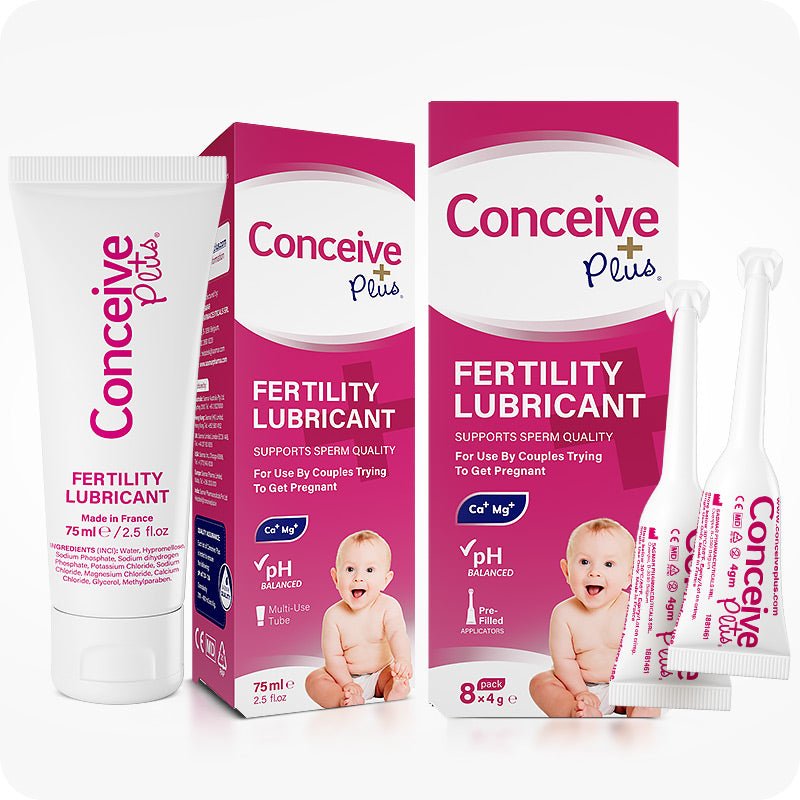
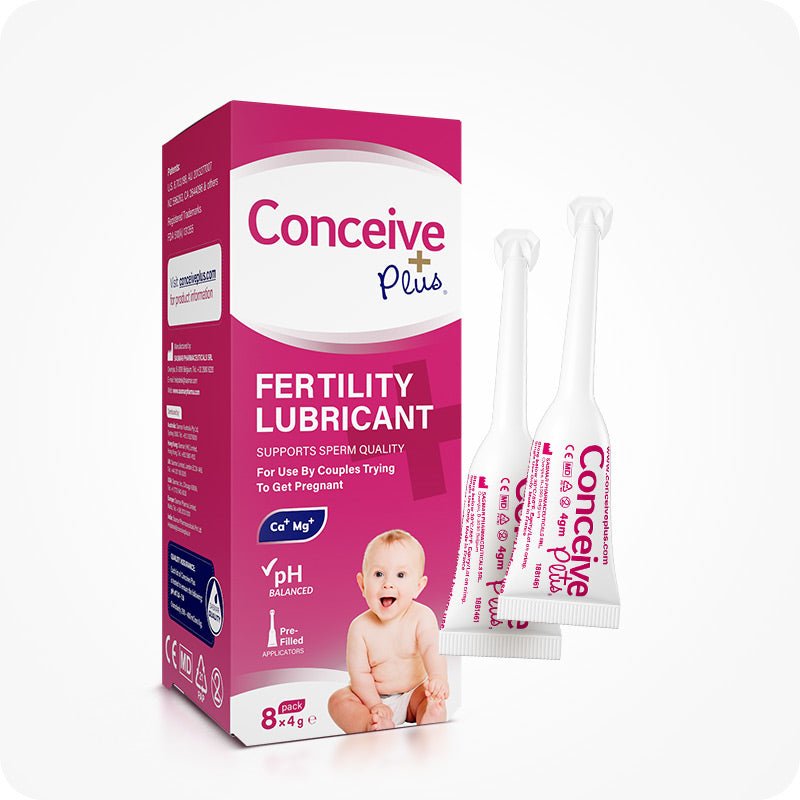
Once you've audited your habits, focus on your physical environment. Swap out plastic food containers for glass and choose breathable cotton fabrics over tight, synthetic underwear. When it comes to exercise, stay active but avoid excessive long-distance cycling, which can increase scrotal temperature through friction and prolonged seating. If you are actively trying to conceive, use fertility-friendly lubricants that are specifically formulated to allow sperm to move freely without the pH barriers found in standard products. This is a practical, immediate way to support your goal of how to increase sperm count and improve conception odds.
Step 3: Monitor and Adjust
Data is your best friend on this 90-day journey. Use an ovulation calculator to time intercourse accurately with your partner’s cycle, ensuring your best "batches" are available when they matter most. Schedule a follow-up semen analysis for the 90-day mark to measure your progress. Even if you don't see a massive jump in numbers immediately, stay consistent. Biological changes take time, and a second 90-day cycle often yields even better results. To get started on your personalized plan, explore our fertility support options today.
When to See a Specialist and Next Steps
While the 90-day roadmap is a powerful tool for self-improvement, you should know when professional intervention is necessary. Standard medical advice suggests the "One Year Rule" for couples where the female partner is under 35. However, if the female partner is 35 or older, the "Six Month Rule" applies. Waiting too long can add unnecessary stress to your journey, especially when proactive testing can provide immediate clarity on how to increase sperm count through targeted medical or lifestyle means.
Certain "red flags" should prompt an earlier visit regardless of how long you've been trying. If you experience persistent pain or swelling in the testicles, have a history of mumps, or struggle with erectile dysfunction, don't wait. These symptoms could indicate underlying issues like a varicocele or hormonal imbalances that require specific medical treatment. During a professional fertility consultation, expect a thorough review of your medical history and a physical exam to rule out structural problems. Specialists often look beyond the basics, using advanced testing to assess the deeper functional health of your sperm.
Understanding Your Semen Analysis Results
Reading your lab results can be confusing because there's a difference between a "Normal Range" and an "Optimal Range." The WHO standards represent the 5th percentile of fertile men, meaning they are the bare minimum, not the ideal. For example, while 15 million sperm per mL is considered normal, many specialists look for a higher Total Motile Sperm Count to predict better odds for natural conception. It's also vital to remember that one bad test isn't a final diagnosis. Because sperm quality fluctuates naturally, doctors typically require two or three tests spaced over several months to get an accurate baseline. You may also want to discuss DNA fragmentation or oxidative stress tests to check the genetic integrity of the sperm batch.
Building a Comprehensive Support Plan
Optimizing your fertility is a collaborative process that works best when you combine several strategies. Pairing the lifestyle adjustments from this roadmap with specialized fertility products helps ensure your body has the consistent baseline of nutrients needed for healthy production. Partner support is equally vital. When you share fertility goals and keep each other accountable, it reduces the anxiety often associated with "low" numbers. Taking the first step today by committing to the 90-day roadmap allows you to take control of your reproductive health. Consistency is the only way to see how to increase sperm count and achieve the successful conception you're working toward.
Start Your 90-Day Transformation Today
Improving male fertility is a marathon, not a sprint. By aligning your daily habits with the 90-day spermatogenesis cycle, you give your body the necessary time to produce a higher-quality batch of sperm. From cooling your physical environment to adopting a Mediterranean-style diet, every small choice you make today shapes the health of the cells that will be ready in three months. Consistency is the most vital ingredient in this process. Success doesn't happen overnight, but a sustained commitment to these science-backed strategies creates a foundation for better semen analysis results.
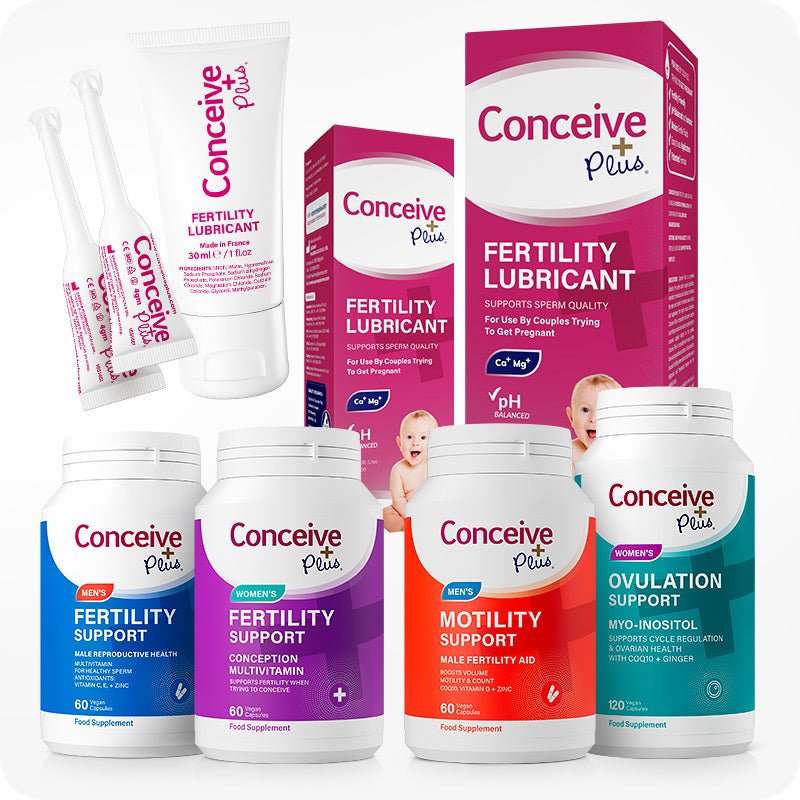
Understanding how to increase sperm count is about more than just looking at a lab report; it's about optimizing the biological environment where life begins. To support your journey with high-quality nutrients, explore our range of science-backed male fertility support bundles. Formulated by doctors and available in over 70 countries, these products are trusted by millions of couples worldwide to bridge the nutritional gap during this critical window. Take control of your reproductive health today. With the right roadmap and a little patience, your goal of a successful conception is within reach.
Frequently Asked Questions
How long does it take to increase sperm count naturally?
It takes approximately 72 to 90 days to see measurable changes when researching how to increase sperm count naturally. This timeline is dictated by the biological process of spermatogenesis, which is the duration required for a new sperm cell to fully develop and mature. Any positive lifestyle or dietary changes you start today will influence the "batch" of sperm that will be ready for ejaculation in about three months.
Can certain foods actually increase sperm count?
Yes, specific nutrients found in a Mediterranean-style diet can support higher sperm production and better quality. Foods rich in antioxidants, such as walnuts, berries, and leafy greens, help protect developing sperm from oxidative damage. Healthy fats from fish and olive oil are also essential because they provide the raw materials needed to build strong sperm cell membranes.
Do tight boxers really lower sperm count?
Tight underwear can negatively impact sperm count by raising the temperature of the testicles. Sperm production requires an environment that is roughly two to three degrees Celsius cooler than your core body temperature. Restrictive clothing like tight briefs or compression shorts traps heat, which can slow down production and damage the motility of the sperm currently being stored.
Does stress affect male fertility and sperm production?
Chronic stress can disrupt the delicate hormonal balance required for healthy sperm production. When you're under constant pressure, your body releases high levels of cortisol, which can actively suppress testosterone. Since testosterone is the primary hormone driving the 90-day sperm manufacturing cycle, managing stress through techniques like box breathing is a practical step for improving your fertility profile.
How often should we have sex to increase the chances of conception?
Most fertility specialists recommend having intercourse every one to two days during the female partner's fertile window. This frequency ensures that a fresh supply of motile sperm is consistently available. While you don't need to have sex every single day, waiting too long between ejaculations can lead to an accumulation of older sperm with lower motility and higher DNA fragmentation.
Are there specific vitamins that are best for sperm motility?
L-Carnitine is one of the most important nutrients for motility because it acts as a primary energy source for sperm cells. Other vital nutrients include Zinc, which is essential for sperm structure, and Vitamin E, which protects the sperm's ability to swim by neutralizing free radicals. Many men use targeted supplements to ensure they meet the high nutrient demands of the 90-day production cycle.
Can caffeine or alcohol permanently damage sperm?
While excessive caffeine and alcohol can impair sperm concentration and movement, the damage is usually not permanent. High alcohol consumption is linked to lower testosterone and increased estrogen, but because your body produces a fresh batch of sperm every three months, these effects often reverse after 90 days of moderation. Consistency in avoiding these "fertility killers" is key to seeing improved results on a semen analysis.
Is it possible to have a baby with a low sperm count?
It's entirely possible to conceive with a low sperm count, as the WHO reference limits are based on the 5th percentile of fertile men. Having a count below 15 million per mL doesn't mean you're infertile; it simply means it might take longer to achieve a successful pregnancy. Focusing on how to increase sperm count and improving the motility of the sperm you do have can significantly increase your odds over time.