IVF Preparation: How to Optimise Your Body and Mind Before Treatment


IVF Preparation: How to Optimise Your Body and Mind Before Treatment
Starting IVF (in vitro fertilisation) is a significant step — one that carries both enormous hope and considerable emotional and physical demands. For many couples, IVF represents a turning point after months or years of trying to conceive. Getting the most from each IVF cycle means more than simply showing up for appointments: it means actively preparing your body and mind in the weeks and months beforehand.
The good news is that there is strong evidence that targeted lifestyle, nutritional, and psychological preparation can meaningfully improve IVF outcomes. This guide walks through what that preparation looks like — for both partners — and how to approach it systematically.
Understanding the IVF Timeline: Why Preparation Starts Months Before
IVF stimulates the ovaries to produce multiple eggs in a single cycle — but those eggs don't appear from nowhere. The eggs retrieved during an IVF cycle have been developing for approximately 90 days. This means that the quality of eggs retrieved today reflects the nutritional status, lifestyle, and oxidative stress environment of the past three months.
Similarly, sperm take 72–90 days to mature. Any improvements to male health, nutrition, or lifestyle will take at least three months to be reflected in semen quality.
This 90-day principle is why fertility specialists typically recommend beginning IVF preparation 3–4 months before the anticipated start of your treatment cycle. Changes made in the week before egg retrieval have minimal impact. Changes made three months earlier can have a substantial effect on egg and sperm quality.
Nutrition Optimisation for IVF Success
Diet is one of the most evidence-backed modifiable factors for IVF outcomes. Multiple studies have linked dietary quality to better response to stimulation, higher egg numbers, better embryo quality, and improved implantation rates.
The Mediterranean dietary pattern has the strongest evidence base for IVF. A landmark study published in Human Reproduction found that women who most closely followed a Mediterranean diet before IVF were 65–68% more likely to achieve a live birth than those with the lowest dietary quality. This eating pattern — centred on vegetables, legumes, whole grains, oily fish, olive oil, and moderate dairy, with limited red meat and refined carbohydrates — delivers the antioxidants, anti-inflammatory fats, and fibre that the reproductive system needs.
Key nutrients to prioritise before IVF:
- Methylfolate (active folate): Critical for DNA synthesis and methylation, cell division, and neural tube protection. Begin supplementing 3 months before IVF. The methylated form is preferable, particularly for women with MTHFR gene variants.
- Coenzyme Q10 (CoQ10): This mitochondrial antioxidant is particularly important for women over 35, where declining natural CoQ10 levels contribute to age-related reduction in egg quality. Studies suggest doses of 400–600mg daily in the 3 months before IVF can improve egg quality and embryo development.
- Vitamin D: Vitamin D deficiency is associated with reduced IVF success rates. Have your 25-OH vitamin D level tested; if deficient (below 50 nmol/L), supplement under medical guidance to restore optimal levels before treatment.
- Omega-3 fatty acids: Anti-inflammatory and essential for egg cell membrane quality. Adequate omega-3 intake is associated with better blastocyst development and implantation.
- Iron and iodine: Support thyroid function (critical for implantation) and prevent anaemia, which can compromise the uterine environment.
For male partners, the same 90-day principle applies. Zinc, selenium, L-carnitine, vitamin C, and CoQ10 are the most evidence-backed supplements for improving sperm parameters before IVF.
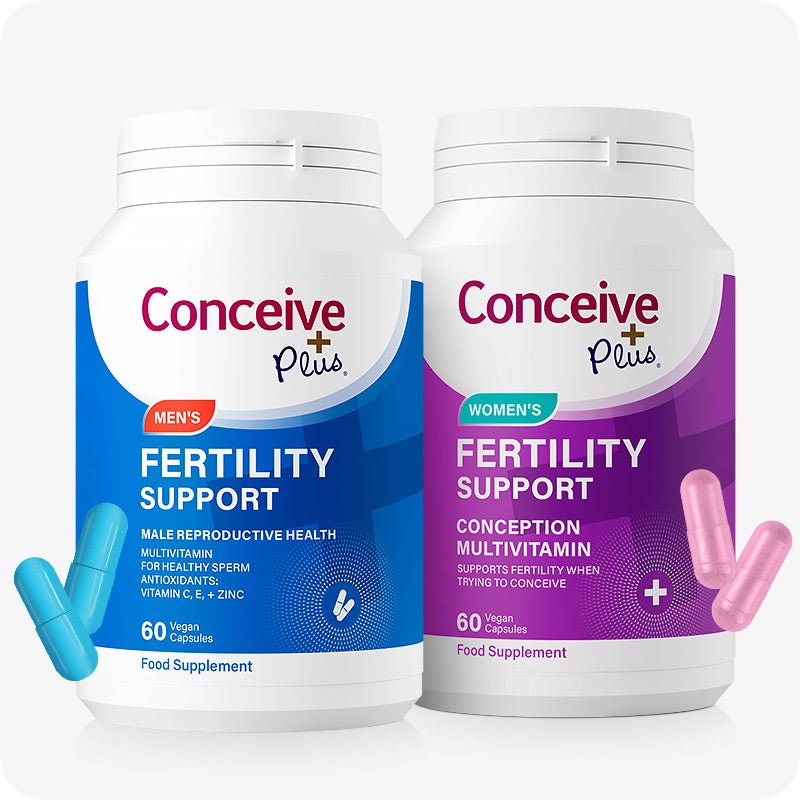
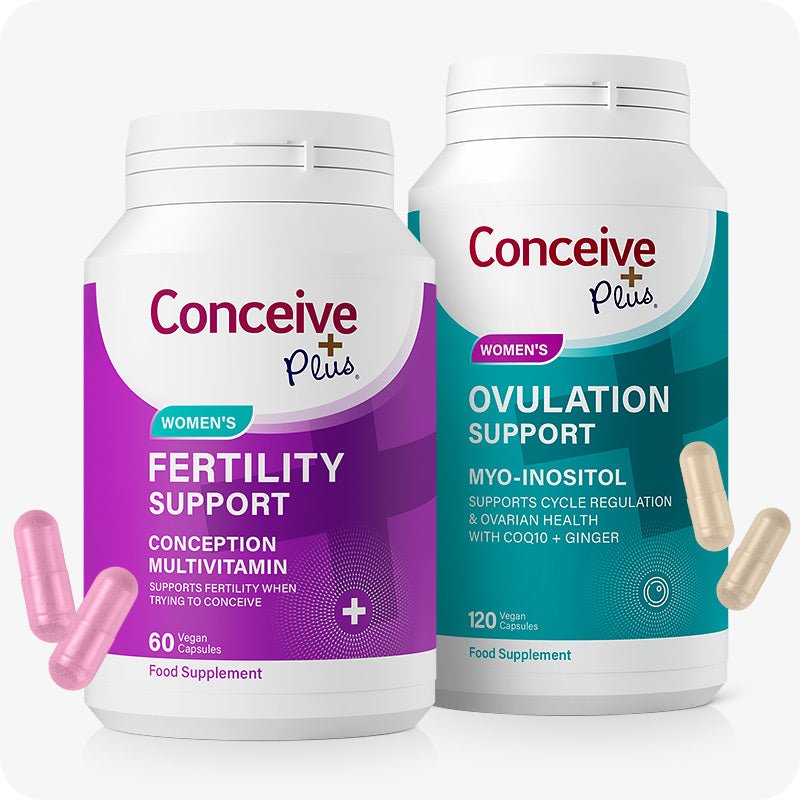
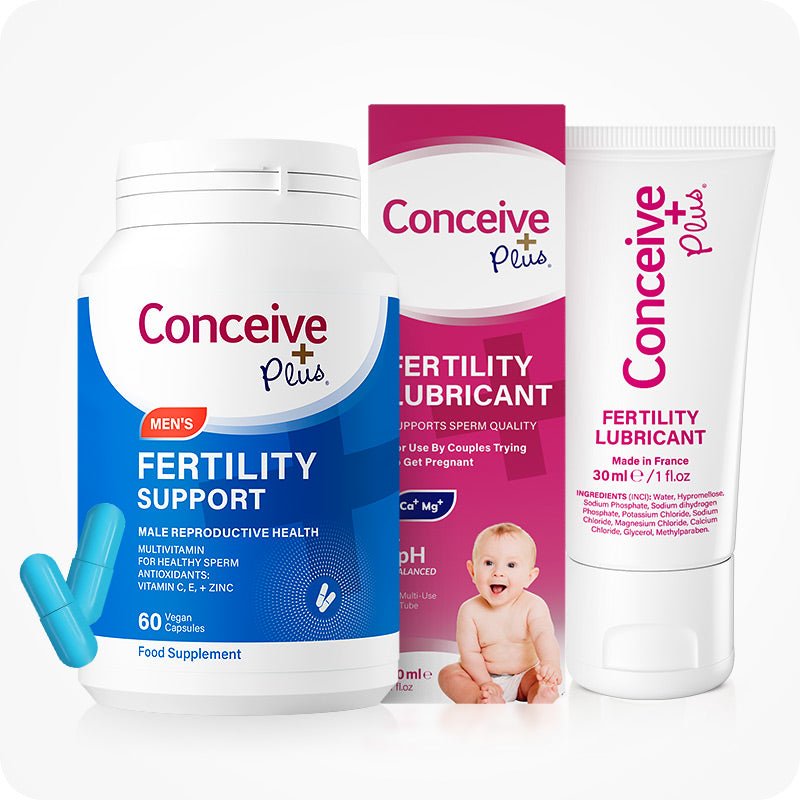
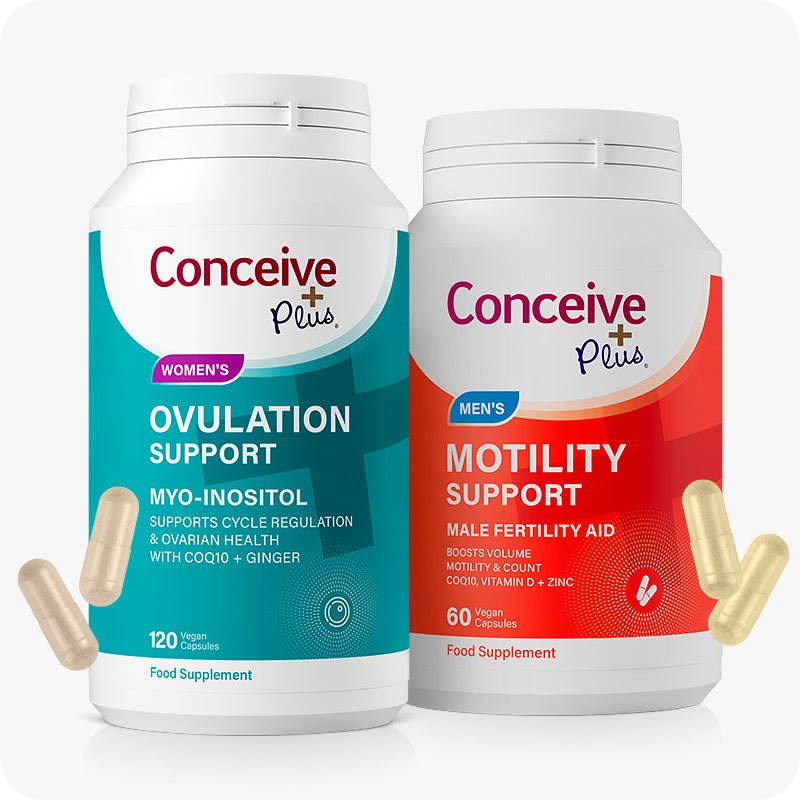
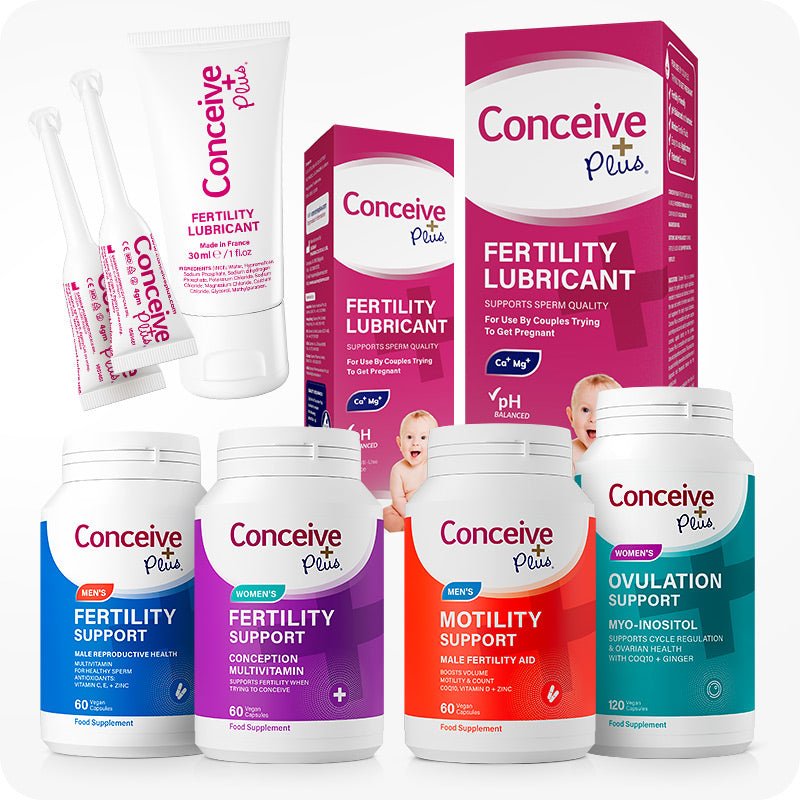
Conceive Plus offers targeted fertility supplements for both men and women, designed to provide the key nutrients most difficult to consistently obtain through diet alone during IVF preparation. Explore the Conceive Plus supplement range for IVF preparation in Europe.
Weight, BMI, and IVF Outcomes
Body weight has a significant impact on IVF outcomes. Both underweight (BMI below 18.5) and overweight or obese (BMI above 25–30) are associated with:
- Reduced response to ovarian stimulation medications
- Fewer eggs retrieved
- Lower fertilisation rates
- Reduced implantation rates
- Higher rates of early pregnancy loss
Many European fertility clinics have BMI thresholds for IVF treatment (commonly 35–40 for upper limits). Even if your clinic proceeds with treatment, optimising your weight before IVF is worthwhile. Even modest reductions in BMI — 5–10% of current weight — have been shown to improve ovarian response and pregnancy rates in overweight women.
Weight loss should be approached thoughtfully during IVF preparation. Avoid very low calorie diets, which can compromise micronutrient status and muscle mass. Instead, focus on the Mediterranean dietary pattern described above: naturally lower in refined carbohydrates and ultra-processed foods, which typically leads to gradual, sustainable weight normalisation without nutritional compromise.
Exercise and Physical Preparation for IVF
Moderate, regular exercise supports IVF preparation by improving insulin sensitivity, reducing chronic inflammation, managing weight, and supporting mental health. Studies show that women who exercise moderately have better IVF outcomes than sedentary women.
However, there are important caveats:
- Intensity matters: High-intensity exercise (more than 4 hours per week of vigorous activity) is associated with reduced IVF live birth rates. High-intensity training creates metabolic and hormonal stress that can compromise ovarian function.
- Appropriate exercise: Walking, swimming, yoga, Pilates, and low-intensity cycling are the most appropriate forms of exercise during IVF preparation. These support physical fitness and stress management without imposing excessive physiological demand.
- Reduce intensity as stimulation begins: During ovarian stimulation, the ovaries enlarge significantly. High-impact or vigorous exercise during this phase increases the risk of ovarian torsion. Most clinics advise switching to walking and gentle movement only once stimulation begins.
Environmental Toxins and Endocrine Disruptors
The months before IVF are an ideal time to audit your exposure to environmental chemicals that can interfere with reproductive hormones:
- BPA and phthalates: Found in plastics, food packaging, and many personal care products. These endocrine-disrupting chemicals can interfere with oestrogen signalling and are associated with reduced IVF outcomes. Switch to glass or stainless steel food containers, avoid heating food in plastic, and choose BPA-free products.
- Parabens: Common preservatives in cosmetics and skincare. Choose paraben-free products where possible.
- Perfluorocarbons (PFAS): Found in non-stick cookware and some food packaging. Switch to cast iron or stainless steel cookware.
- Pesticide residues: Wash all fruits and vegetables thoroughly; prioritise organic for highest-pesticide crops when budget allows.
- Occupational exposures: If your work involves chemical exposure (solvents, heavy metals, pesticides, radiation), discuss this with your fertility specialist. Additional precautions or exposure limits may be recommended during IVF cycles.
Mental Health and Psychological Preparation for IVF
IVF is emotionally demanding. The combination of hope, anxiety, medical procedures, hormonal fluctuations, and financial pressure makes psychological wellbeing a clinically relevant factor in IVF outcomes.
Research shows that extreme stress — particularly anxiety and depression — is associated with worse IVF outcomes. The mechanisms likely include HPA axis activation affecting reproductive hormones, altered immune function, and behavioural factors (disrupted sleep, poor dietary compliance, reduced exercise).
Evidence-based strategies for psychological preparation include:
- Mindfulness-based stress reduction (MBSR): MBSR programmes specifically for fertility challenges have demonstrated reduced anxiety and improved coping in IVF patients. App-based mindfulness (Headspace, Calm) can provide structured daily practice.
- Cognitive behavioural therapy (CBT): Short-term CBT focused on fertility-related anxiety and catastrophic thinking has evidence for both reducing distress and, in some studies, improving IVF outcomes.
- Fertility counselling: Many European fertility clinics offer or require psychological assessment and counselling before IVF. If yours does not, proactively seeking a fertility-specialist counsellor is worthwhile.
- Acupuncture: Some evidence (though not conclusive) supports acupuncture as a stress reduction tool during IVF. It is widely used by IVF patients and has a good safety profile.
- Support networks: Connecting with others on the IVF journey — through in-person support groups or online communities — reduces isolation and normalises the emotional experience.
Discuss your psychological preparation with your clinic. Many offer dedicated counselling services as part of the treatment package.
Male Partner Preparation for IVF
Male preparation is equally important and equally often neglected. Even when IVF involves ICSI (intracytoplasmic sperm injection), where a single sperm is injected directly into the egg, sperm quality matters for fertilisation rates, embryo quality, and pregnancy outcomes.
Three months before IVF, male partners should:
- Start fertility supplements (zinc, selenium, CoQ10, L-carnitine, vitamin C)
- Quit smoking — smoking is associated with higher sperm DNA fragmentation
- Reduce or eliminate alcohol
- Avoid heat to the testes (hot baths, saunas, tight underwear, laptop heat)
- Maintain a healthy weight — both underweight and overweight impair sperm parameters
- Manage sleep — testosterone production peaks during deep sleep; chronic sleep deprivation reduces testosterone and impairs spermatogenesis
- Exercise moderately — regular exercise improves testosterone and sperm parameters, but avoid anabolic steroids, which suppress the hormonal axis controlling sperm production
Frequently Asked Questions About IVF Preparation
Q: How far in advance should I start preparing for IVF?
A: Ideally 3–4 months before your planned treatment cycle. This allows time for nutritional improvements, lifestyle changes, and supplementation to influence the eggs and sperm that will be retrieved and used in treatment.
Q: Does acupuncture improve IVF success?
A: The evidence is mixed. Some studies show benefit; others do not. Acupuncture has a good safety profile and is widely used for stress reduction during IVF. It is a reasonable complementary approach if you find it helpful, but should not replace evidence-based preparation strategies.
Q: Can I exercise during IVF stimulation?
A: Light exercise (walking, gentle yoga) is generally acceptable and beneficial. Avoid high-intensity exercise once stimulation begins, as enlarging ovaries increase the risk of ovarian torsion. Follow your clinic's specific guidance.
Q: Is alcohol completely off-limits during IVF?
A: Most fertility specialists recommend complete abstinence from alcohol from the start of your treatment cycle. In the preparation phase (3 months before), minimising to occasional, light intake is the minimum; complete abstinence is preferable.
Q: Does stress affect IVF success?
A: Extreme or chronic stress likely has some negative impact on IVF outcomes. While you cannot eliminate the inherent stress of IVF, actively managing it through counselling, mindfulness, and support networks is evidence-based and beneficial.
Q: What supplements should both partners take before IVF?
A: Women: methylfolate, CoQ10, vitamin D, omega-3s, iron, iodine. Men: zinc, selenium, CoQ10, L-carnitine, vitamin C. A comprehensive fertility supplement like those from Conceive Plus can provide these in appropriate combinations.
Q: Does caffeine affect IVF outcomes?
A: High caffeine intake (more than 200–300mg/day) is associated with worse IVF outcomes. Limiting caffeine to 1–2 cups of coffee per day is recommended during IVF preparation and treatment.
Q: Should I take progesterone supplements before IVF?
A: Progesterone supplementation is a standard part of IVF protocols prescribed by your clinic to support implantation. Do not self-administer progesterone supplements outside of a medically supervised protocol.
Conclusion: IVF Preparation Is an Active Process
The months before your IVF cycle are not simply a waiting period — they are an opportunity to actively improve your chances of success. The eggs and sperm used in your treatment reflect the environment they've been developing in for the past 90 days. The choices you make today create that environment.
Focus on a Mediterranean-style diet rich in antioxidants and anti-inflammatory nutrients. Address nutritional gaps with targeted supplementation for both partners. Manage your weight, exercise moderately, reduce toxic exposures, and invest in psychological support. These are not minor tweaks — they are evidence-based interventions that can meaningfully shift your IVF outcomes.
Conceive Plus supports European couples navigating fertility treatment with a range of supplements designed to complement IVF preparation for both men and women.
👉 Explore Conceive Plus Fertility Supplements for IVF Preparation — Available Across Europe
Explore Conceive Plus Products — Trusted by Millions of Couples Worldwide →