Male Fertility: How to Boost Sperm Health Naturally


Male Fertility: How to Boost Sperm Health Naturally
Male fertility is under unprecedented pressure. A landmark 2017 meta-analysis documented a 52% decline in sperm concentration among men in Western countries between 1973 and 2011—and research published since suggests the decline has continued. Whether driven by environmental exposures, dietary shifts, sedentary lifestyles, or endocrine-disrupting chemicals, male fertility challenges now account for approximately 40–50% of all couple infertility cases.
The opportunity within this challenge: sperm health is highly responsive to targeted intervention. Unlike eggs—women are born with their lifetime supply—sperm are produced continuously, with a new cohort completing development every 74 days. This means improvements to nutrition, supplementation, and lifestyle today will translate into measurably better sperm quality within three months. Male fertility is, to a significant degree, modifiable.
Understanding Male Fertility: The Key Sperm Parameters
Male fertility is assessed through semen analysis, evaluating these parameters:
- Sperm concentration: Normal ≥16 million/mL (WHO 2021 reference ranges)
- Total motility: Percentage of moving sperm; normal ≥42%
- Progressive motility: Sperm moving purposefully forward; normal ≥30%
- Morphology: Percentage with normal form; normal ≥4% (Kruger strict)
- DNA fragmentation: Increasingly recognised as critical—high fragmentation reduces fertilisation rates even when other parameters appear normal
Meeting minimum thresholds doesn't guarantee optimal male fertility. DNA fragmentation from oxidative damage can impair fertilisation and embryo development even when count, motility, and morphology are all normal. This is why optimising sperm health goes beyond standard semen analysis benchmarks.
Oxidative Stress: The Primary Threat to Male Fertility
Support Your Fertility Journey with Conceive Plus
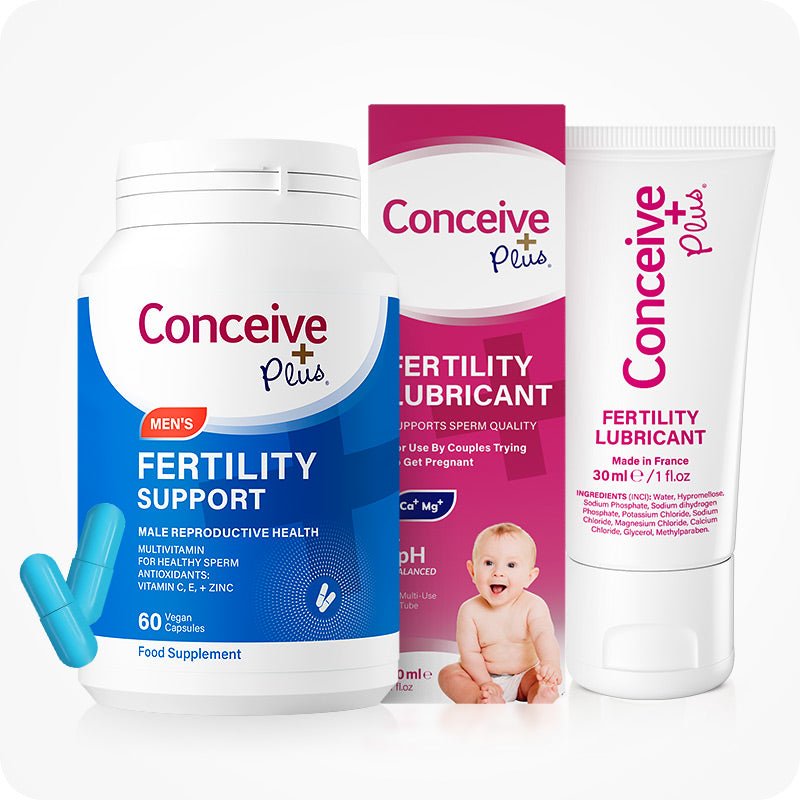
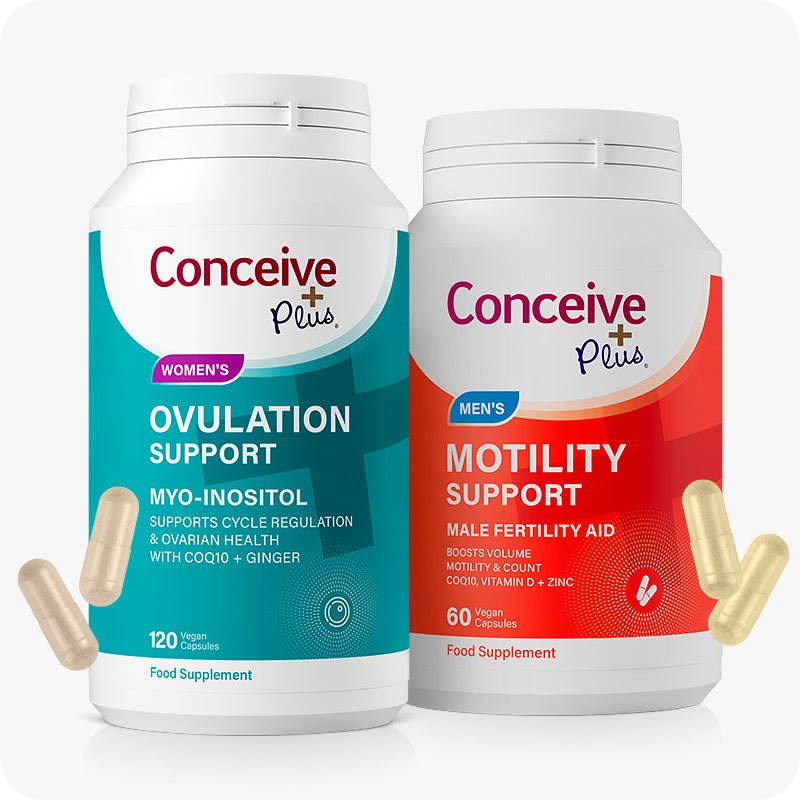
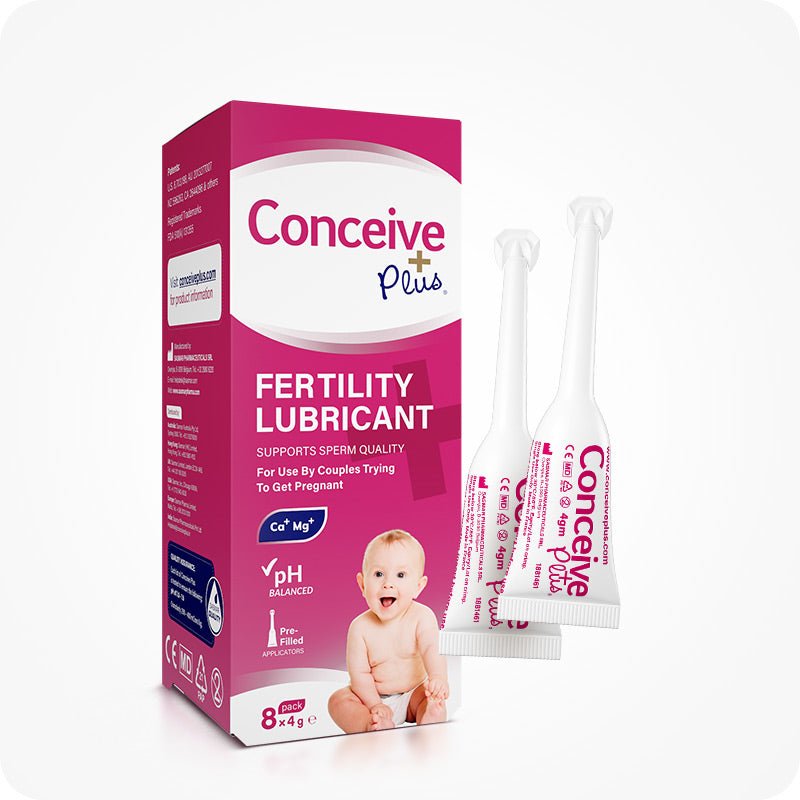
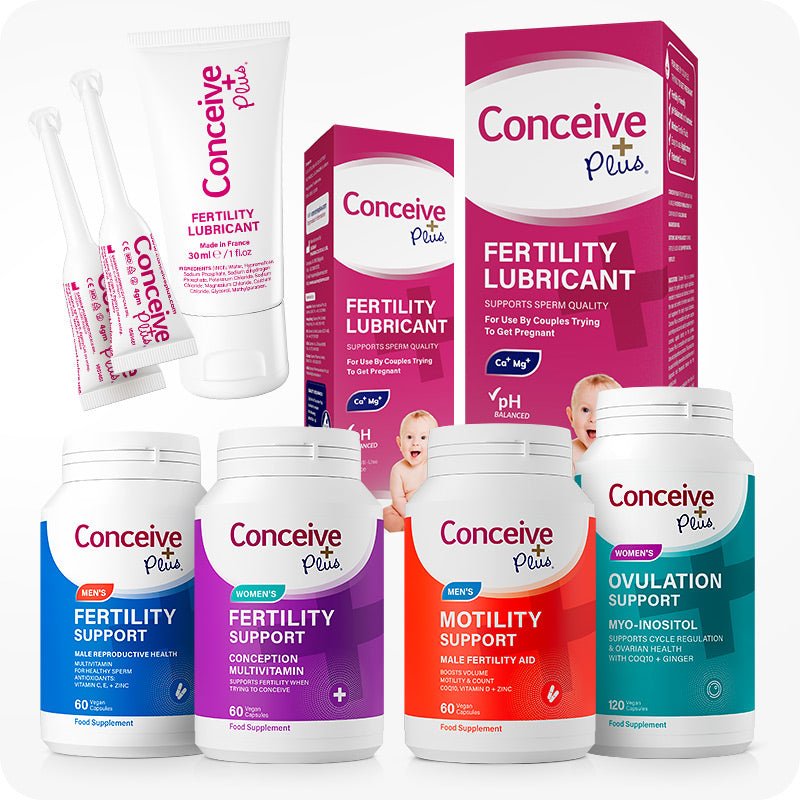
Conceive Plus offers clinically formulated fertility supplements and fertility-friendly lubricants trusted by couples worldwide. Explore our range to find the right support for your unique journey.
Reactive oxygen species (ROS) are a major cause of poor sperm quality and represent the central mechanism through which lifestyle factors damage male fertility. Some ROS are physiologically necessary—sperm use them for the acrosome reaction when penetrating the egg. But excess ROS overwhelm sperm's antioxidant defences, causing:
- Lipid peroxidation of sperm cell membranes (impairing motility)
- DNA strand breaks (elevated fragmentation)
- Mitochondrial damage (reducing energy available for movement)
- Reduced fertilisation capacity and poor embryo quality
Major sources of excess ROS include smoking, alcohol, heat exposure, environmental toxins, obesity, and pro-inflammatory diets. Addressing these sources—and supplementing with targeted antioxidants—is the foundation of natural male fertility improvement.
Top Nutrients for Male Fertility
CoQ10 (Coenzyme Q10)
Sperm mitochondria generate ATP for motility—CoQ10 is the electron carrier powering this process. Multiple clinical trials confirm CoQ10 supplementation (200–300mg daily) significantly improves sperm motility and concentration. A 2013 meta-analysis in Journal of Urology found improvements in total motility (+8.3%) and progressive motility (+9.4%).
Zinc
The most abundant trace mineral in the male reproductive system. Essential for testosterone synthesis, sperm production, and DNA integrity protection. Seminal plasma zinc is 100x blood plasma concentration. Studies show 66mg/day zinc sulphate significantly improves sperm count and motility in subfertile men.
Selenium
Forms part of glutathione peroxidase—the primary antioxidant enzyme in sperm—and is structurally essential for the sperm tail. Low selenium directly correlates with poor morphology and reduced motility in studies of male fertility.
L-Carnitine and Acetyl-L-Carnitine
L-carnitine is highly concentrated in the epididymis and essential for fatty acid metabolism in sperm mitochondria. Clinical trials demonstrate significant motility improvements. The acetyl form shows particularly strong bioavailability and additional mitochondrial support.
Folic Acid
Essential for DNA synthesis during spermatogenesis. Low folate is associated with increased DNA fragmentation and abnormal morphology. An important and often overlooked component of male fertility supplementation.
Vitamins C and E
Work synergistically as the primary antioxidant pairing in seminal plasma. Vitamin C (water-soluble) is present at 10x blood plasma concentration in healthy semen. Vitamin E (fat-soluble) protects sperm membranes from lipid peroxidation. Combined supplementation reduces DNA fragmentation significantly.
Lifestyle Factors That Impact Male Fertility
Temperature Management
Spermatogenesis requires 2–4°C below core body temperature—hence external testes. Anything elevating scrotal temperature impairs sperm production:
- Hot baths, saunas: Limit significantly when TTC; allow recovery days
- Laptop on lap: Measurable scrotal temperature increase over time
- Tight underwear: Switch to boxers—evidence supports modest but real benefit
- Extended sitting: Take standing breaks throughout the day
Smoking
One of the most potent sources of oxidative stress for sperm. Smokers show significantly lower sperm count, motility, and morphology, plus substantially higher DNA fragmentation. Quitting smoking produces measurable male fertility improvements within 3 months.
Alcohol
Heavy drinking directly suppresses testosterone and impairs spermatogenesis. Even moderate drinking (2–3 drinks/day) shows negative effects on sperm parameters. Reducing to occasional consumption or complete abstinence is recommended when TTC.
Body Weight and Exercise
Obesity elevates oestrogen (through adipose aromatisation), increases scrotal temperature, and heightens oxidative stress—all damaging to male fertility. Achieving healthy BMI (20–25) improves sperm parameters measurably. Moderate exercise (150+ minutes/week) supports testosterone and sperm quality. However, extreme endurance training can temporarily reduce both.
Environmental Toxin Reduction
Specific exposures known to impair male fertility:
- Endocrine disruptors: BPA (plastics), phthalates (personal care products), parabens
- Pesticides: Organophosphates and herbicides particularly associated with reduced sperm quality
- Heavy metals: Lead, cadmium, mercury
Practical steps: use glass or stainless steel containers, avoid microwaving food in plastic, choose fragrance-free personal care products with minimal preservatives.
Diet for Sperm Health and Male Fertility
A Mediterranean-style diet consistently shows the strongest associations with better sperm parameters. Key foods for male fertility:
- Tomatoes: Rich in lycopene—supplemental lycopene improves sperm morphology by 22% and motility by 40% in studies
- Walnuts: 75g daily improved sperm vitality, motility, and morphology in UCLA study
- Oily fish: DHA essential for sperm membrane function—deficiency impairs motility
- Dark leafy greens: Folate, antioxidants, magnesium
- Oysters: The highest dietary zinc source by far
- Brazil nuts: 1–2 daily meets the recommended selenium intake
Supplements for Male Fertility
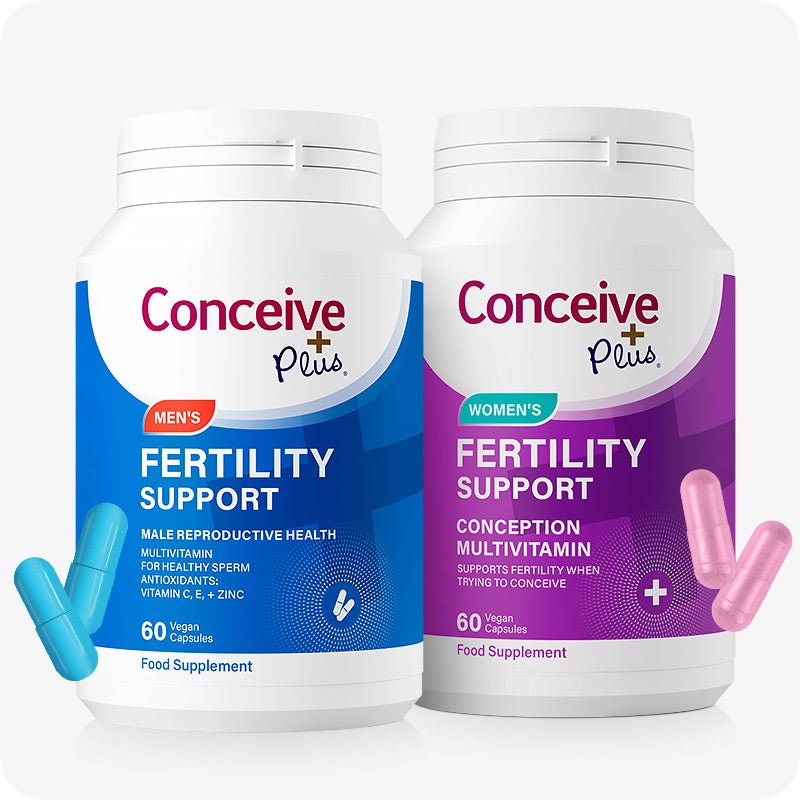
Achieving optimal nutrient intakes for male fertility through diet alone is genuinely challenging. A targeted male fertility supplement ensures consistent delivery of key nutrients at clinically-validated doses. Conceive Plus men's fertility supplements provide a comprehensive formulation designed specifically for spermatogenesis support and sperm protection throughout the 74-day development cycle.
FAQ: Male Fertility
Q: How quickly can I improve sperm quality?
A: One spermatogenesis cycle takes approximately 74 days. Start supplements and lifestyle improvements 3 months before TTC for full benefit. Some improvements (from quitting smoking, for example) begin appearing within weeks.
Q: Can stress affect sperm quality?
A: Yes. Chronic stress elevates cortisol, which suppresses testosterone production and increases oxidative stress—both directly damaging to male fertility. Stress management is a legitimate fertility intervention.
Q: Is a semen analysis worth getting proactively?
A: A baseline analysis is valuable context, especially after 6 months of trying without success, or if you have known risk factors (varicocele, prior infections, history of cancer treatment).
Q: Can varicocele be managed with supplements?
A: Varicocele increases testicular temperature and oxidative stress—both partially addressable with targeted supplementation. However, significant varicoceles may benefit from surgical treatment alongside nutrition optimisation.
Q: How does diet affect sperm DNA fragmentation specifically?
A: Antioxidant-rich foods and omega-3s reduce oxidative stress on developing sperm, directly lowering DNA fragmentation rates. Mediterranean diet adherence is associated with significantly lower fragmentation in multiple studies.
Q: Can COVID-19 affect male fertility?
A: Studies have documented temporary reductions in sperm quality following COVID-19, particularly in severe cases. Effects appear largely reversible over several months in most men.
Q: Does high-frequency cycling affect male fertility?
A: Prolonged competitive cycling can compress the perineum and increase scrotal temperature. Appropriate saddles, padded shorts, and adequate breaks mitigate risk. Recreational cycling appears safe for male fertility.
Q: What role does sleep play in male fertility?
A: Poor sleep disrupts testosterone production (which peaks during deep sleep) and elevates cortisol. Chronic sleep deprivation is associated with significantly reduced sperm quality. 7–9 hours nightly is the evidence-based target for male fertility support.
Ready to Take the Next Step?
Join thousands of couples who trust Conceive Plus on their path to parenthood. Scientifically formulated, doctor-recommended, and designed for every stage of your fertility journey.