Fertility Myths Debunked: Separating Evidence-Based Facts from Harmful Misconceptions About Conception


When it comes to fertility, misinformation is everywhere. From well-meaning friends and family anecdotes to viral social media posts and outdated advice from decades past, myths about conception abound. Believing these myths can lead to unnecessary stress, wasted time, and missed opportunities for conception. This comprehensive guide separates evidence-based facts from fiction, giving you the clarity you need to navigate your fertility journey with confidence.
Understanding what is scientifically accurate about fertility empowers you to make informed decisions, avoid common pitfalls, and focus your energy on strategies that actually work.
Myth #1: You Can Only Get Pregnant on Day 14 of Your Cycle
This is perhaps the most persistent fertility myth. While the "day 14" rule is based on a textbook 28-day cycle with ovulation occurring at the midpoint, very few women have textbook cycles. Cycle length varies widely—from 21 to 35 days in normal, healthy women—and ovulation timing varies accordingly.
Even women with regular cycles can ovulate earlier or later than expected due to stress, illness, travel, or other factors. Furthermore, sperm can survive in the female reproductive tract for up to five days, meaning the fertile window includes the five days before ovulation and the day of ovulation itself.
The science: Rather than relying on a calendar day, pay attention to your body's fertility signs—changes in cervical mucus, basal body temperature patterns, and ovulation predictor kit results. Understanding your unique fertile window is far more effective than following a generic calendar rule.
Myth #2: Infertility Is Usually a Women's Problem
For decades, fertility challenges were assumed to be primarily related to female factors. This misconception has caused countless couples to overlook male fertility issues, delaying diagnosis and treatment. The reality is that infertility affects both genders almost equally.
The science: According to the World Health Organization and numerous clinical studies, male factor infertility contributes to approximately 40-50% of all infertility cases. In about 20% of cases, the cause is exclusively male, and in another 20-30%, both partners contribute factors. This means that when a couple is struggling to conceive, both partners should undergo evaluation from the start.
Male fertility testing is simple, non-invasive, and relatively inexpensive compared to female fertility testing. A semen analysis can reveal issues with sperm count, motility, morphology, and DNA integrity that may be treatable with lifestyle changes or supplements.
Myth #3: You Should Wait a Year Before Seeing a Specialist
The standard advice to try for one year before seeking help applies only to women under 35 with no known risk factors. Many couples would benefit from earlier evaluation, and waiting unnecessarily can be a costly mistake.
The science: Current guidelines recommend seeking evaluation after six months of trying for women aged 35-40, and immediately for women over 40 or anyone with known risk factors such as irregular cycles, a history of pelvic inflammatory disease, known endometriosis, prior cancer treatment, or previous miscarriages. Couples with known male factor issues should also seek help promptly.
Earlier evaluation is particularly important because fertility declines with age, especially after 35. Delaying evaluation by a full year when you are already at higher risk can significantly reduce your chances of success with treatment.
Myth #4: Certain Sexual Positions Increase Your Chances of Conception
The idea that specific positions—such as elevating your hips after intercourse or lying still for 20 minutes—improve conception rates is widespread but unsupported by evidence. Sperm are remarkably efficient swimmers, and healthy sperm can reach the fallopian tubes within minutes of ejaculation, regardless of position.
The science: Multiple studies have found no significant difference in pregnancy rates between different sexual positions. The most important factor is that ejaculation occurs close to the cervix, which happens naturally with vaginal intercourse. While lying down briefly after intercourse may help keep semen near the cervix, there is no evidence that specific positions or remaining supine for extended periods improves pregnancy rates.
What matters far more is timing intercourse to coincide with your fertile window. Focusing too much on position can create unnecessary stress and diminish the intimacy of the experience.
Myth #5: Stress Causes Infertility
This myth is particularly harmful because it places blame on individuals who are already coping with the emotional challenges of trying to conceive. While stress affects the body in many ways, the relationship between everyday stress and infertility is more nuanced than commonly portrayed.
The science: Severe, chronic stress can affect hormone levels and potentially disrupt ovulation, but the moderate stress associated with daily life—including the stress of trying to conceive—is unlikely to cause infertility. A landmark study published in Fertility and Sterility found that while stress can affect treatment outcomes, telling someone to "just relax" is neither helpful nor medically accurate.
Stress management techniques such as yoga, meditation, and counselling are valuable for overall well-being and can improve quality of life during the fertility journey, but they are not a cure for underlying medical causes of infertility.
Myth #6: You Don't Need Prenatal Vitamins Until You're Pregnant
Waiting until you have a positive pregnancy test to start taking prenatal vitamins means missing the critical window where certain nutrients are most important. The neural tube, which becomes the baby's brain and spinal cord, develops in the first four weeks of pregnancy—often before a woman even knows she is pregnant.
The science: Folic acid supplementation should begin at least three months before conception. The Centers for Disease Control and Prevention recommends that all women of reproductive age consume 400 mcg of folic acid daily, regardless of pregnancy plans, because approximately half of all pregnancies are unplanned.
Beyond folic acid, other nutrients such as vitamin D, omega-3 fatty acids, and CoQ10 play important roles in egg quality, ovulation, and early embryonic development. Starting a comprehensive fertility supplement before conception gives you the best nutritional foundation for a healthy pregnancy.
✨ Support Your Journey with Fertility Lubricant
Every step of your fertility journey deserves the best possible support. Fertility Lubricant is formulated with evidence-backed ingredients at clinically studied doses to help you take control of your reproductive health with confidence.
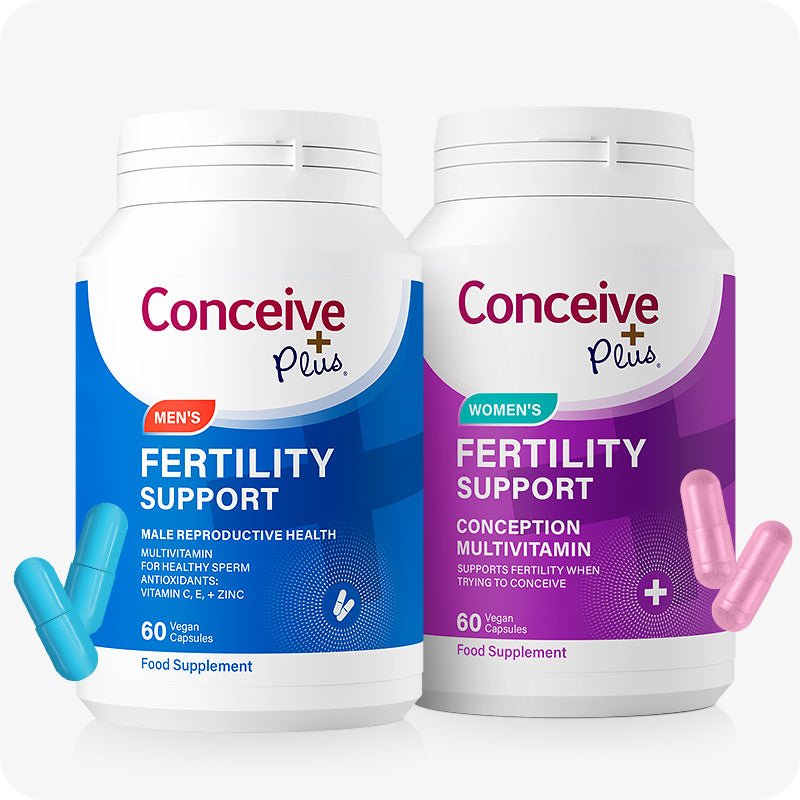
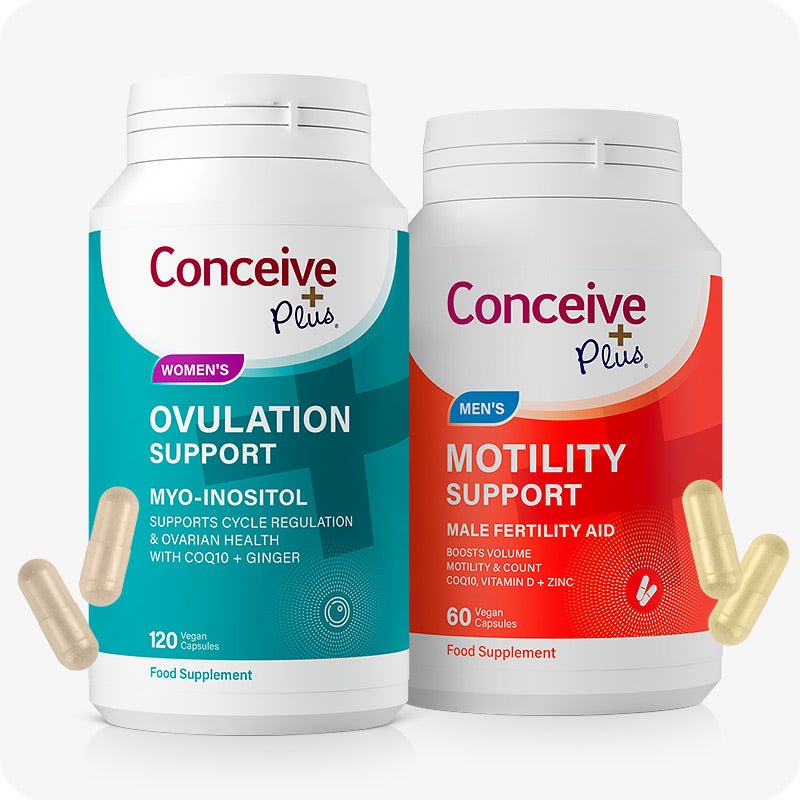
Whether you are actively trying to conceive or preparing your body for the journey ahead, Conceive Plus products are developed alongside fertility specialists to complement your natural cycle and support optimal reproductive function.
Explore Conceive Plus →Myth #7: Fertility Treatments Always Lead to Multiple Births
While it is true that some fertility treatments carry a higher risk of multiple pregnancy, modern fertility medicine has made significant advances in reducing this risk. The belief that IVF inevitably means twins or triplets is outdated.
The science: Single embryo transfer (SET) is now standard practice for most IVF patients with a good prognosis. In many countries, elective single embryo transfer (eSET) is recommended, resulting in singleton pregnancy rates comparable to those of double embryo transfer while virtually eliminating the risk of twins. The elective single embryo transfer rate in the United States has risen from less than 10% to over 40% in the last decade.
Ovulation induction medications still carry a higher risk of multiple ovulation and multiple pregnancy, but careful monitoring with ultrasound can help minimise this risk.
Myth #8: Lubricants Don't Affect Fertility
Many couples use lubricants to enhance comfort during intercourse without realising that most commercial lubricants can significantly impair sperm function. Even lubricants labelled as "natural" or "organic" may harm sperm.
The science: Studies published in Fertility and Sterility have shown that common lubricants can reduce sperm motility by 60-100% within minutes. The osmolality (thickness) and pH of most lubricants are incompatible with sperm survival. Even water-based lubricants can create an environment that is hostile to sperm.
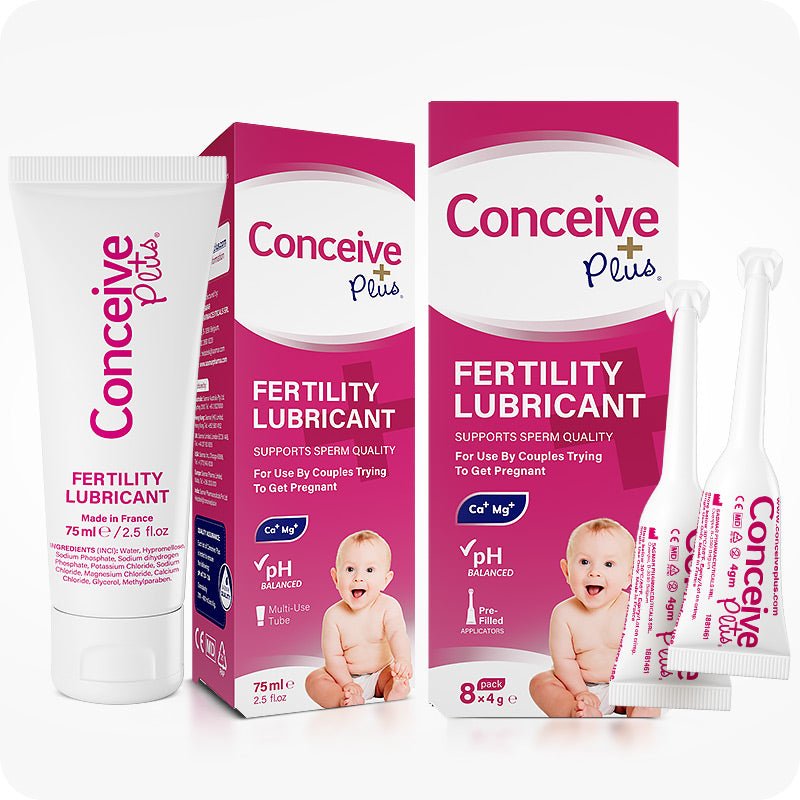
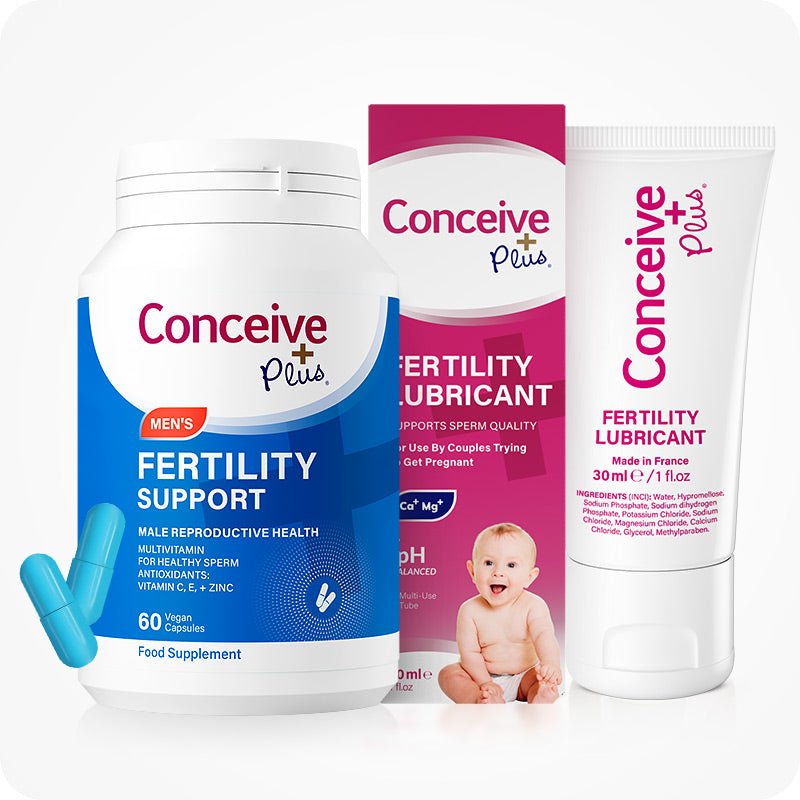
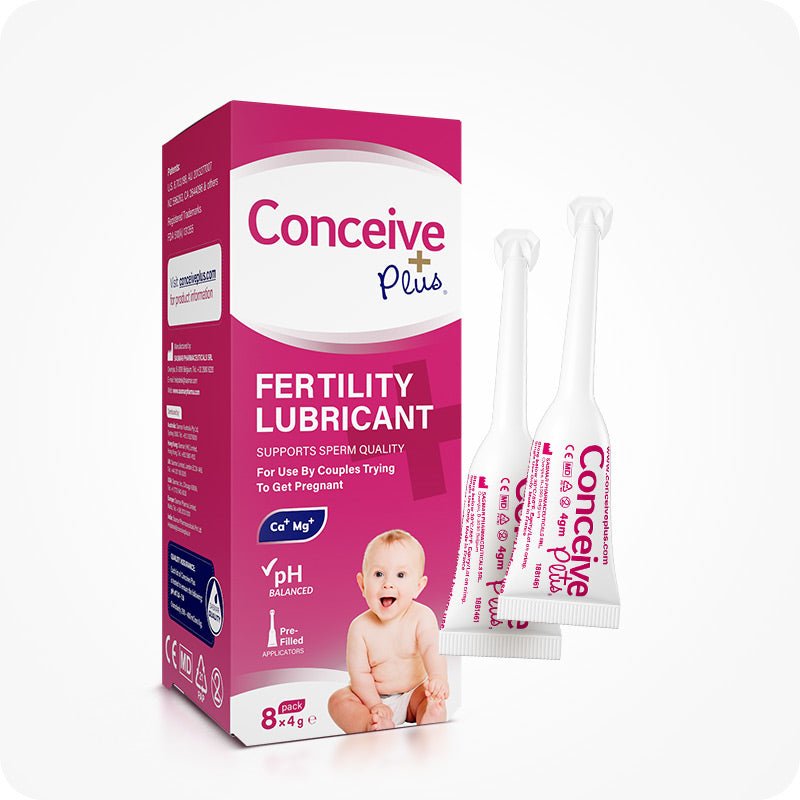
Fertility-friendly lubricants such as Conceive Plus Fertility Lubricant are specifically formulated to mimic fertile-quality cervical mucus. They maintain the correct pH, osmolality, and ionic balance to support sperm survival and transport. Using a clinically tested, sperm-safe lubricant is essential for couples who need or prefer additional lubrication during intercourse.
Myth #9: Age Only Affects Female Fertility
While the effect of age on female fertility is well documented, male fertility also declines with age—just more gradually. Advanced paternal age is associated with decreased sperm quality, increased DNA fragmentation, and higher risks of certain genetic conditions.
The science: Research has found that after age 40, men experience a decline in semen volume, sperm motility, and sperm morphology. The risk of sperm DNA fragmentation increases, which can affect fertilisation rates, embryo development, and the risk of miscarriage. A 2018 study found that pregnancies fathered by men over 45 had a higher risk of preterm birth and low birth weight.
The good news is that lifestyle factors and targeted supplementation can help mitigate some age-related changes in sperm quality. Adequate intake of zinc, selenium, CoQ10, and antioxidants supports sperm health at any age.
Frequently Asked Questions About Fertility Facts
Is it true that having sex every day improves chances of conception?
Having sex every day during the fertile window maximises sperm availability, but every other day is also effective, as sperm can survive up to five days in the female reproductive tract.
Can using a laptop on your lap affect male fertility?
Yes, the heat from laptops can raise scrotal temperature, potentially affecting sperm production. It is advisable to keep laptops on a desk rather than directly on the lap.
Does douching after intercourse prevent pregnancy?
No. Sperm reach the cervix within seconds of ejaculation, and douching cannot remove them. In fact, douching may increase the risk of infection and is not recommended.
Can I get pregnant during my period?
While unlikely, it is possible, especially in women with short cycles. Sperm can survive for five days, so intercourse on the last day of a period could lead to pregnancy if you ovulate early.
Does birth control cause long-term infertility?
No, hormonal birth control does not cause long-term infertility. Fertility typically returns to normal within a few months of stopping most methods.
Is caffeine bad for fertility?
Moderate caffeine consumption (under 200 mg daily, about one cup of coffee) is not associated with fertility problems. High intake may be linked to delayed conception in some studies.
Can exercise help you get pregnant faster?
Moderate exercise is beneficial for overall health and fertility. However, excessive high-intensity exercise can disrupt ovulation in some women. Balance is key.
Is there a best time of day to have sex for conception?
There is no scientific evidence that the time of day affects conception rates. The most important factor is timing intercourse to coincide with the fertile window.
Navigating the landscape of fertility information can be challenging, but arming yourself with evidence-based knowledge is one of the most empowering steps you can take. When you know what is fact and what is fiction, you can focus your time, energy, and resources on the strategies that truly make a difference for your fertility journey. Trust the science, trust your body, and do not hesitate to seek professional guidance when you need it.
🌟 Take the Next Step with Confidence
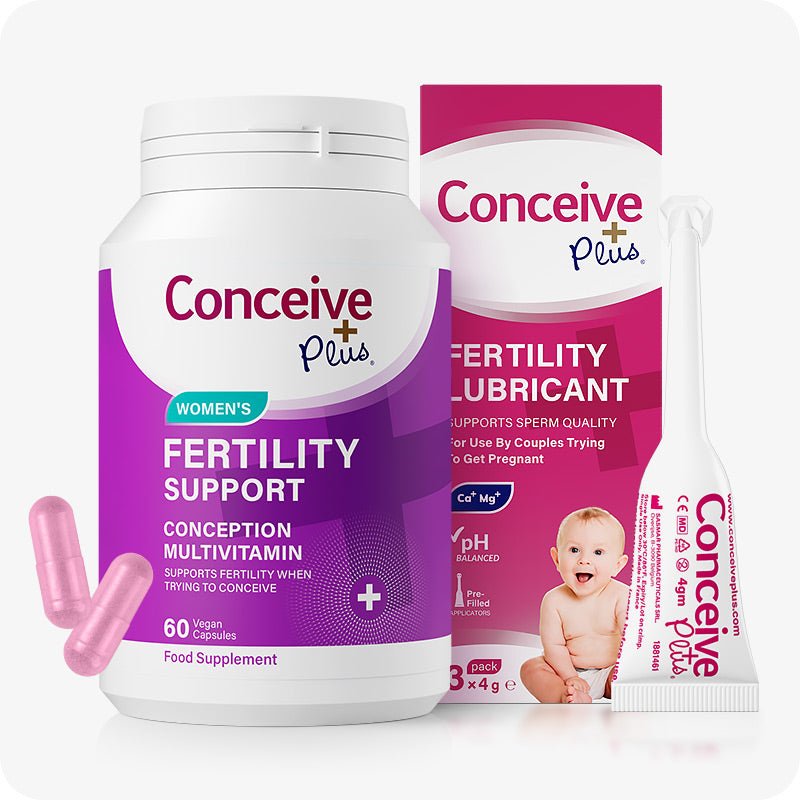
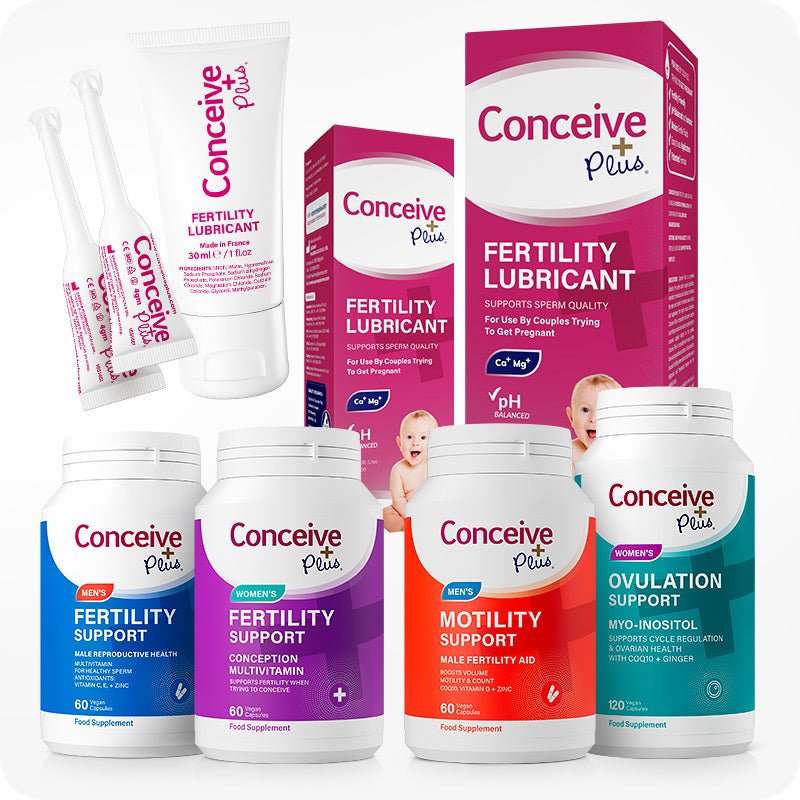
You have taken an important step by educating yourself about your fertility. Now pair that knowledge with products you can trust. Conceive Plus offers a complete range of fertility-supporting supplements and lubricants, all developed with scientific rigour and a deep understanding of what your body needs to conceive.
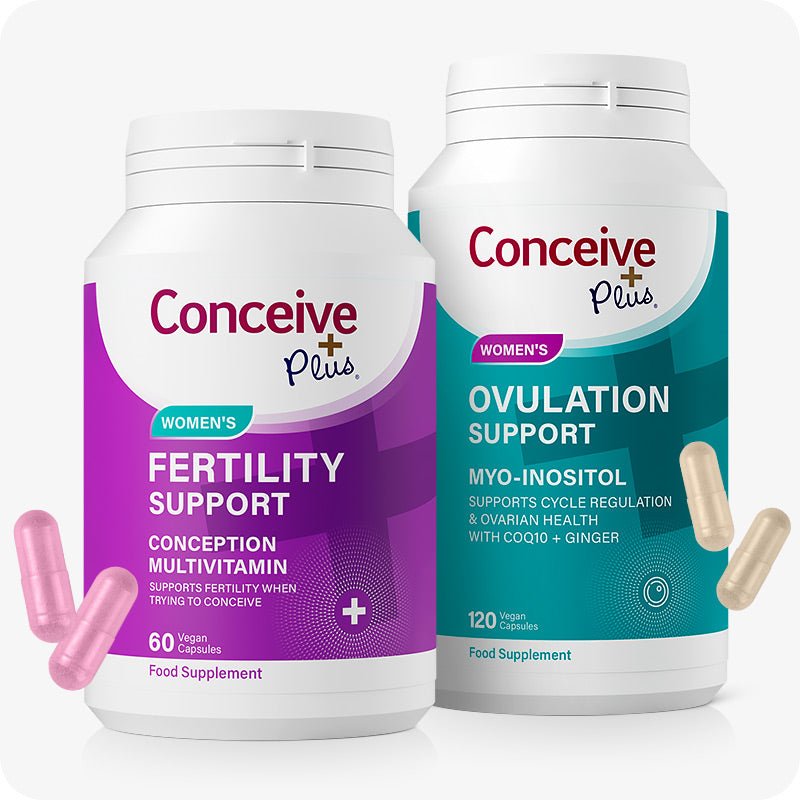
From ovulation support to male fertility and specialised fertility-friendly lubricants, every product is designed to give you the best possible foundation for conception.
Shop Conceive Plus →