Termékenységi kiegészítők: Tudományosan megalapozott útmutató arról, mely tápanyagok segítik valóban a fogantatást 2026-ban


A termékenységi étrend-kiegészítők piaca hatalmas és zavaros. Ez az útmutató átlát a zajon, és a legerősebb kutatási háttérrel rendelkező tápanyagokat vizsgálja.
Az étrend-kiegészítők minőségének kihívása
Nem minden étrend-kiegészítő egyforma. Sok tartalmaz kevesebbet vagy többet a megadottnál. A forma számít: a metilált folát jobban felszívódik, mint a folsav azok számára, akik MTHFR variánssal rendelkeznek; a pikolinát ásványi anyagok biohasznosulása jobb.
Tudományosan alátámasztott kiegészítés
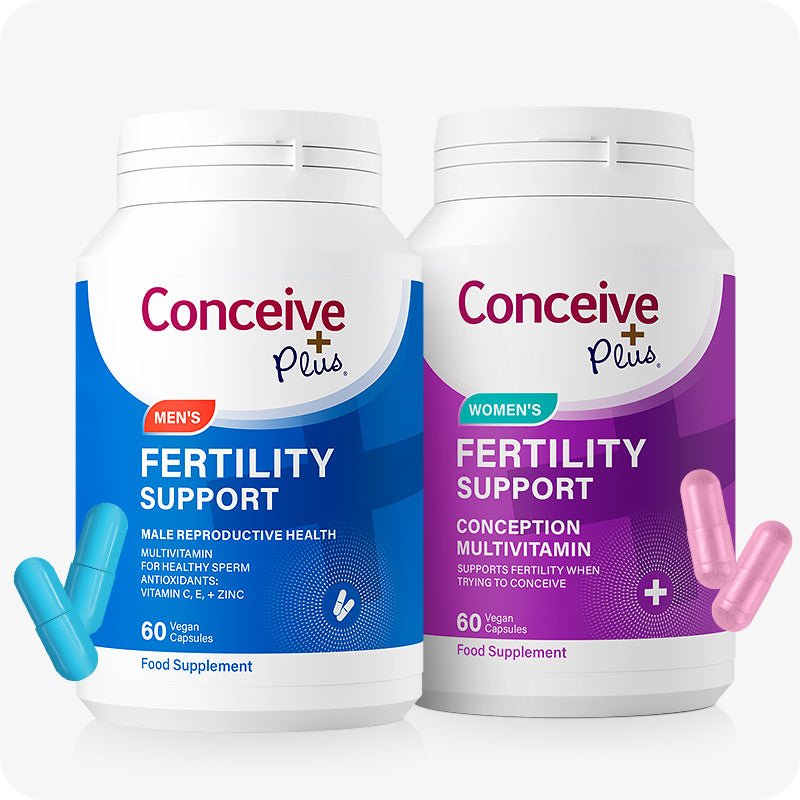
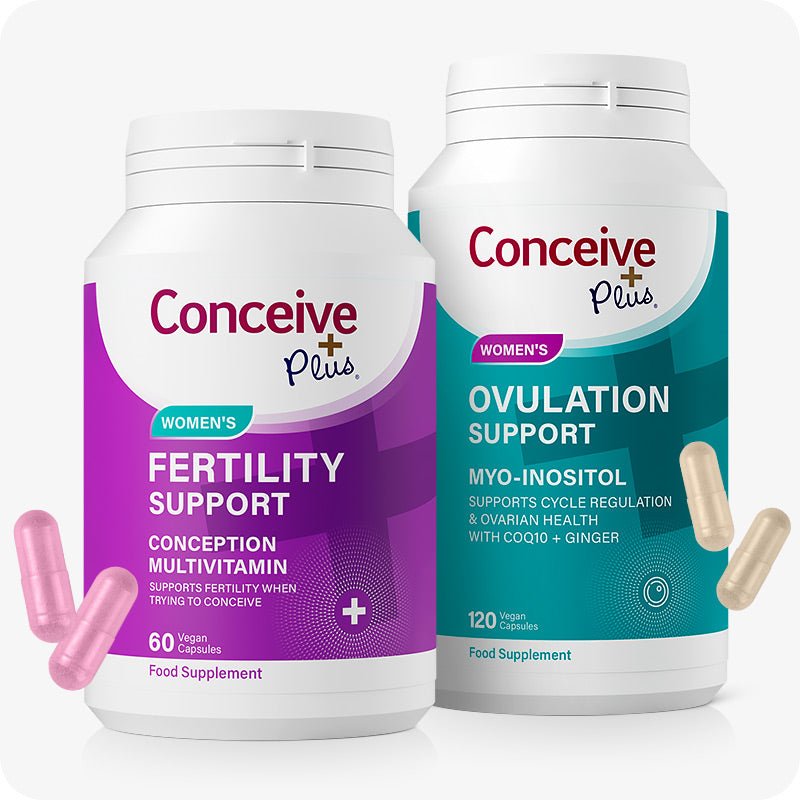
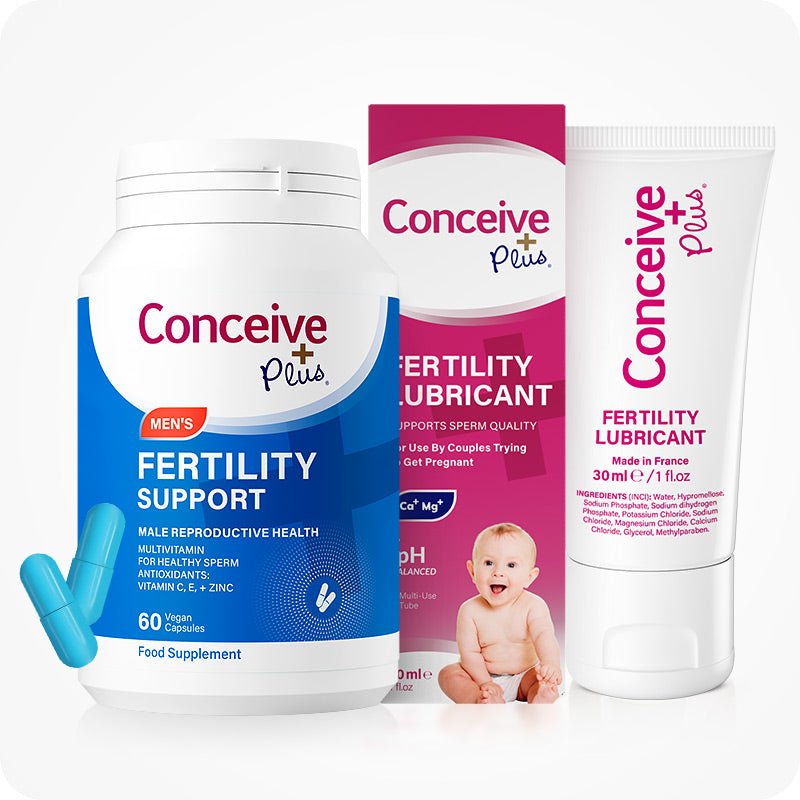
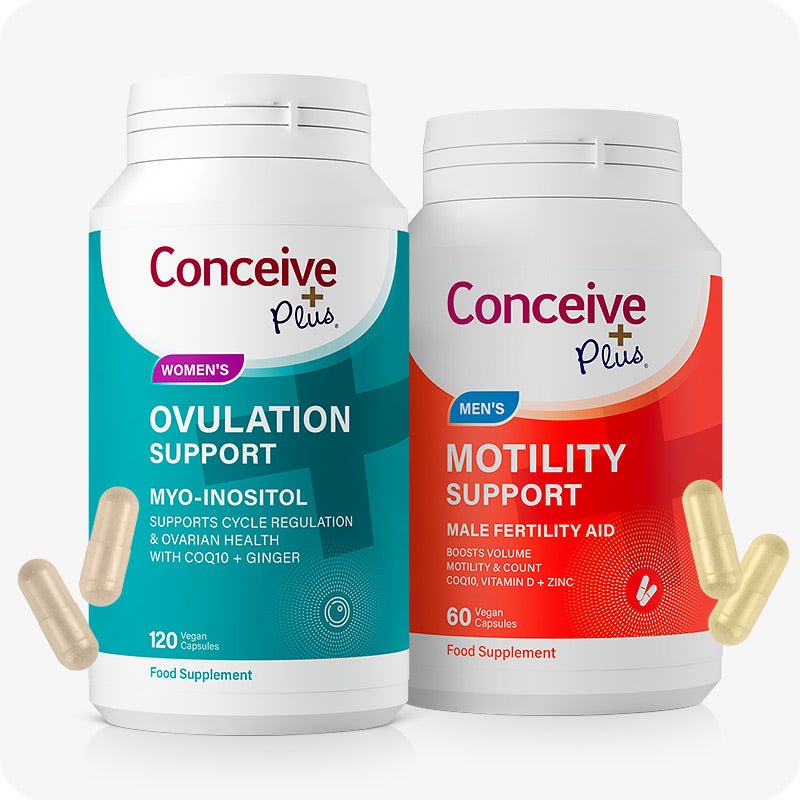
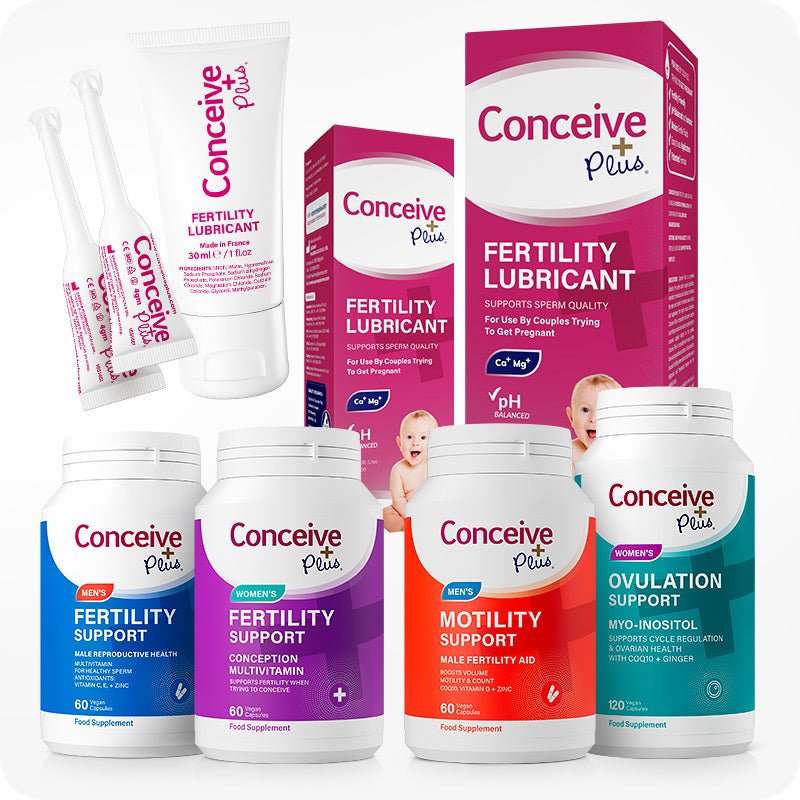
Válassza a Conceive Plus-t — klinikailag releváns dózisokban metilált folátot, CoQ10-et, D3-vitamint, cinket és mio-inozitolt tartalmaz. Fedezze fel a kínálatot →
Csúcskategóriás termékenységi étrend-kiegészítők
Koenzim Q10 (CoQ10)
A legfontosabb kiegészítő 35 év feletti nők számára. A CoQ10 az érett petesejtek mitokondriális energiáját táplálja. Tanulmányok kimutatták, hogy javítja a petesejtek minőségét, az embrió fejlődését és az IVF élveszületési arányát. Adagolás: napi 200–600 mg.
Metilált folát (5-MTHF)
Elengedhetetlen a DNS-szintézishez és metilációhoz. A szintetikus folsavval ellentétben a metilált folát azonnal hasznosítható. Adagolás: napi 400–800 mcg.
D3-vitamin
Minden reproduktív szövetben vannak D-vitamin receptorok. Hiánya összefügg az alacsonyabb IVF sikerrel és a magasabb vetélési aránnyal. Célérték: 75 nmol/L felett. Adagolás: napi 1000–4000 NE.
Mio-inozitol
Különösen fontos PCOS esetén. Javítja az inzulinérzékenységet és helyreállítja az ovulációt. Adagolás: napi 2–4 g, gyakran D-chiro-inozitollal 40:1 arányban.
Cink
Kritikus mind női, mind férfi termékenységhez — ovuláció, megtermékenyítés, spermiumtermelés. Adagolás: napi 15–30 mg.
Omega-3 zsírsavak (EPA/DHA)
Csökkentik a gyulladást, támogatják a hormonális egyensúlyt, javítják a méhnyak nyákját. Adagolás: napi 500–1000 mg EPA/DHA kombináltan.
Férfi termékenységet támogató kiegészítők
Fő kiegészítők: CoQ10 (javítja a mozgékonyságot), Cink (támogatja a spermiumszámot), Szelén (védi a DNS-t), C-vitamin (csökkenti az oxidatív károsodást), L-karnitin (javítja a mozgékonyságot).
Óvatosan használandó kiegészítők
- Magas dózisú A-vitamin (retinol) — teratogén terhesség alatt
- Magas dózisú E-vitamin — vérzési kockázat
- Gyógynövény-kiegészítők — minőségellenőrzés hiánya
- DHEA — csak orvosi felügyelettel
Válasszon bizonyítékokon alapuló kiegészítőket
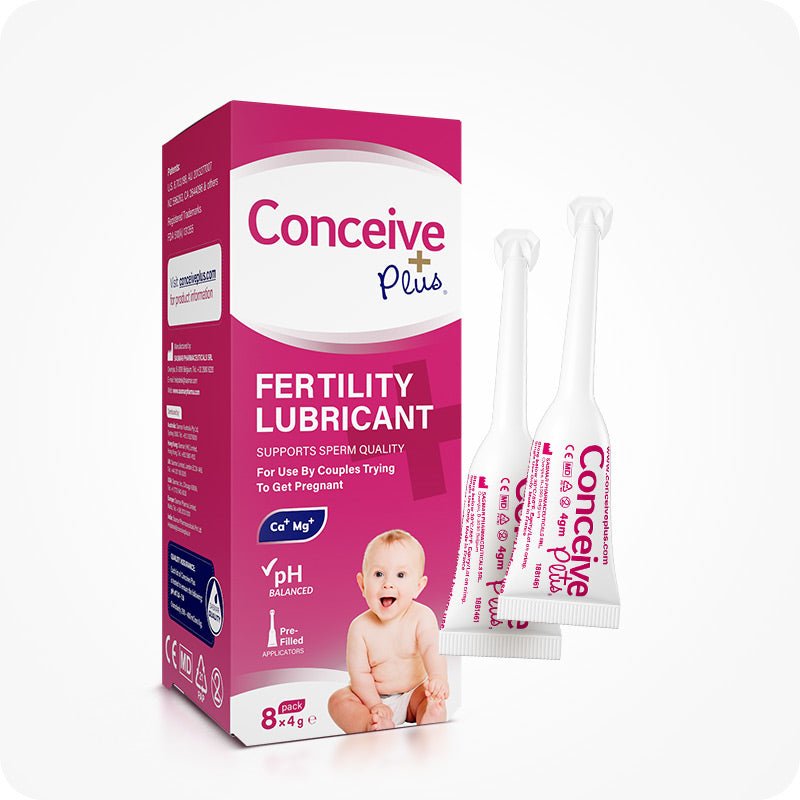
Conceive Plus minden összetevőt klinikailag vizsgált szinteken, biohasznosuló formában tartalmaz. Vásárolja meg a Conceive Plus-t →
Gyakran ismételt kérdések
Mikor kezdjem el a kiegészítők szedését?
3–6 hónappal a teherbeesés tervezése előtt — a petesejtek és spermiumok fejlődése kb. 90 nap.
Lehet túl sokat szedni?
Igen. Több nem mindig jobb. Tartsa be a bizonyítékokon alapuló adagokat.
Szükségesek-e a férfiaknak kiegészítők?
Igen. A férfi tényező az infertilitás közel feléért felelős.
Hatékonyak a rágótabletták?
Általában alacsonyabb tápanyagtartalommal rendelkeznek. A kapszulák megbízhatóbbak.
Szükségem van kiegészítőkre, ha jól táplálkozom?
Még a legjobb étrendnek is vannak hiányosságai. Egy minőségi kiegészítő biztosítékot nyújt.
Melyik a legfontosabb kiegészítő?
A folát a legkritikusabb, ezt követi a D-vitamin és a CoQ10.
Multivitamint vagy egyedi kiegészítőket szedjek?
Célzott termékenységi étrend-kiegészítőt alapként, szükség esetén további CoQ10-vel és omega-3 zsírsavakkal.
Végső gondolatok
A termékenységi étrend-kiegészítők a leghatékonyabbak egy átfogó megközelítés részeként, amely magában foglalja a táplálkozást, a testmozgást, a stresszkezelést és az orvosi ellátást.