Termékenységi vizsgálatok: teljes útmutató a termékenységi kivizsgálás megértéséhez


Termékenységi vizsgálatok: teljes útmutató a termékenységi kivizsgálás megértéséhez
Ha sikertelenül próbálkozik a teherbeeséssel, vagy egyszerűen kíváncsi a reproduktív egészségére, mielőtt családalapításba kezdene, a termékenységi vizsgálatok fontos betekintést nyújtanak a szervezetében zajló folyamatokba. Ha megérti, milyen vizsgálatok léteznek, mit mérnek, és hogyan értelmezhetők az eredmények, magabiztosabban tájékozódhat - sok pár számára pedig ez jelenti az első lépést a megoldás felé. Ez az útmutató a nők és férfiak teljes termékenységi kivizsgálásának spektrumát lefedi, és segít magabiztosan eligazodni a folyamatban.
Mikor érdemes megfontolnia a termékenységi vizsgálatot?
A hagyományos orvosi irányelv szerint termékenységi kivizsgálást kell kérni:
- 12 hónap rendszeres, védekezés nélküli szexuális együttlét után, ha nem következik be fogamzás (35 év alatti nők esetében)
- 6 hónap, ha a női partner 35 éves vagy idősebb
- Azonnal, ha ismert kockázati tényezői vannak: rendszertelen menstruáció, korábbi STI, kismedencei műtét a kórelőzményben, endometriózis, PCOS, ismert férfi eredetű termékenységi probléma vagy két vagy több vetélés
Európában a termékenységi kivizsgálások az állami egészségügyi rendszeren (országonként eltérő módon) és magántermékenységi klinikákon keresztül érhetők el. Németországban, Belgiumban, Franciaországban és Hollandiában a kezdeti vizsgálatokat bizonyos feltételeknek megfelelő párok esetében gyakran részben vagy teljesen fedezi az egészségbiztosítás.
Nincs ok a várakozásra, ha aggodalmai vagy kockázati tényezői vannak. A korábbi kivizsgálás hamarabb azonosítja a kezelhető problémákat, és megőrzi a lehetőségeket, különösen azoknál a nőknél, akiknek a petefészek-tartaléka az életkor előrehaladtával csökken.
Női termékenységi vizsgálatok: mit mérnek és miért
Készen áll arra, hogy támogassa termékenységi útját?
Vásároljon Conceive Plus terméket a termékenység támogatására →Az átfogó női termékenységi kivizsgálás kiterjed a hormonális működésre, a petefészek-tartalékra, a méh anatómiájára és a petevezetékek átjárhatóságára. Íme, mit mutatnak az egyes vizsgálatok:
A 2-3. napi hormonpanel
A menstruációs ciklus 2. vagy 3. napján levett vérminták (az 1. nap a teljes vérzés első napja) a petefészek működését tükröző kiindulási hormonszinteket mérik:
- FSH (tüszőstimuláló hormon) — az emelkedett FSH csökkent petefészek-tartalékot jelez; az agyalapi mirigy erősebben dolgozik a petefészkek stimulálásáért. Normálérték: 10 IU/L alatt
- LH (luteinizáló hormon) — a 3. napon mért emelkedett érték PCOS-ra utalhat; a 2:1 feletti LH:FSH arány a PCOS klasszikus jele
- Ösztradiol (E2) — a 3. napon mért magas E2 mesterségesen elnyomhatja az FSH-t, így elfedheti a megemelkedett értékeket; fontos az FSH helyes értelmezéséhez
- AMH (anti-Müller-hormon) — a ciklus bármely napján mérhető; a petefészek-tartalékot és a megmaradt tüszők állományát tükrözi
AMH-vizsgálat: a petefészek-tartalék arany standardja
Az anti-Müller-hormont (AMH) a kis antrális tüszők granulózasejtjei termelik, és közvetlenül tükrözi a megmaradt petesejtkészlet nagyságát. Ez a petefészek-tartalék legmegbízhatóbb önálló markere, és az FSH-val ellentétben a menstruációs ciklus során stabil marad, valamint ciklusról ciklusra sem változik jelentősen.
Az AMH értelmezése:
- 14,28 pmol/l (2 ng/ml) felett - jó petefészek-tartalék
- 7,14-14,28 pmol/l (1-2 ng/ml) - megfelelő petefészek-tartalék
- 2,86-7,14 pmol/l (0,4-1 ng/ml) - alacsony-normális petefészek-tartalék
- 2,86 pmol/l (0,4 ng/ml) alatt - alacsony petefészek-tartalék, sürgősebb termékenységi támogatásra lehet szükség
Az alacsony AMH kevesebb petesejtet jelent, nem feltétlenül rosszabb petesejtminőséget - bár a kettő gyakran összefügg az életkorral. Az AMH-vizsgálat Európa-szerte elérhető magánúton, és egyre gyakrabban a lombikprogram előtti szokásos kivizsgálás része.
Luteális fázis közepi progeszteron (21. napi vizsgálat)
A progeszteronszint a peteérés után gyorsan emelkedik, és az LH-csúcs után 7 nappal éri el a csúcsértékét - egy 28 napos ciklusban ez általában a 21. nap körül van. A 30 nmol/l (9,5 ng/ml) feletti progeszteronszint igazolja, hogy az adott ciklusban megtörtént a peteérés. Az alacsony ciklus közepi luteális progeszteronszint anovulációra, a sárgatest elégtelen működésére vagy luteális fázisdefektusra utalhat - ezek mind kezelhető meddőségi okok.
Rendszertelen ciklus esetén a vizsgálatot az LH-csúcs után 7 nappal kell időzíteni (nem automatikusan a 21. napra).
Pajzsmirigyfunkciós vizsgálatok
A meddőség kivizsgálása során minden nőnél ellenőrizni kell a TSH-t (pajzsmirigy-stimuláló hormon) és a szabad T4-et. A pajzsmirigy-alulműködés szorosan összefügg a peteérési zavarokkal, a vetélés fokozott kockázatával és a kedvezőtlen terhességi kimenetelekkel. A fogamzás előtt 2,5 mIU/l feletti TSH csökkent termékenységgel és fokozott vetélési kockázattal jár - a teherbe esni próbáló nők számára 2,5 alatti célérték ajánlott.
Prolaktin
Az emelkedett prolaktinszint (hiperprolaktinémia) gátolja a peteérést, és rendszertelen vagy elmaradó menstruációt okozhat. A vizsgálatot éhgyomorra és nyugodt állapotban kell elvégezni (a stressz emeli a prolaktinszintet). Emelkedett érték esetén indokolt lehet a vizsgálat megismétlése, valamint szükség esetén az agyalapi mirigy MRI-vizsgálata a prolaktinóma kizárására (ez általában jóindulatú daganat, amely jól reagál a gyógyszeres kezelésre).
Antrális tüszők száma (AFC)
A ciklus 2-4. napján végzett transzvaginális ultrahangvizsgálat lehetővé teszi, hogy a vizsgálatot végző szakember megszámolja mindkét petefészekben a látható kis tüszőket (antrális tüszőket). Ez közvetlen vizuális becslést ad a petefészek-tartalékról, összefügg az AMH-szinttel, és segít előre jelezni az IVF-re adott választ. Az összesen 5-7 alatti AFC alacsonynak, a 10-15 vagy annál magasabb érték normálisnak számít.
A kismedence és a méh vizsgálata
A transzvaginális ultrahang (TVUS) a méhet miómák, polipok, adenomiózis és a beágyazódást akadályozó szerkezeti eltérések szempontjából vizsgálja. Emellett értékeli a petefészkeket policisztás megjelenés (a PCOS-ra jellemző petefészek-térfogat és tüszőeloszlás) és endometriómák (az endometriózisra utaló csokoládéciszták) szempontjából is.
Ha a TVUS méhűri eltérésekre utal, a végleges értékelés és az esetleges kezelés érdekében sóoldatos feltöltéssel végzett ultrahangvizsgálat (SHG) vagy hiszteroszkópia javasolható.
A petevezetékek átjárhatóságának vizsgálata
A petevezetékek elzáródása megakadályozza, hogy a spermiumok eljussanak a petesejthez, és gyakran kismedencei gyulladásos betegség (PID), korábbi nemi úton terjedő fertőzés (különösen chlamydia), endometriózis vagy korábbi hasi műtét okozza. A vizsgálati módszerek a következők:
- HyCoSy (hysterosalpingo-kontrasztos ultrahangvizsgálat) - a petevezetékek átjárhatóságának ultrahangvezérelt vizsgálata; elsőként választandó vizsgálat
- HSG (hysterosalpingogram) - röntgenvizsgálat kontrasztanyaggal; széles körben alkalmazott módszer, kissé nagyobb sugárterheléssel
- Laparoszkópia festékpróbával - a petevezetékek vizsgálatának arany standardja; invazív eljárás, amelyet általában endometriózis vagy petevezeték-betegség gyanúja esetén alkalmaznak
Férfi termékenységi vizsgálatok: spermaanalízis és azon túl
A férfi eredetű meddőség az összes meddőségi eset mintegy 40-50%-ához járul hozzá - ez az arány még mindig kevéssé ismert. A teljes körű férfi termékenységi kivizsgálásnak kezdettől fogva részét kell képeznie minden pár kivizsgálásának, nem pedig utólagos kiegészítésnek.
Spermaanalízis: az alapvizsgálat
A spermaanalízis (SA) a spermiumok egészségének fő paramétereit méri. A vizsgálatot 2-5 napos önmegtartóztatás után kell elvégezni, és ideális esetben a mintát helyben, a laboratóriumban kell leadni, vagy 1 órán belül, testhőmérsékleten kell a laboratóriumba szállítani.
A WHO 2021-es referenciaértékei normális spermaanalízis esetén:
- Térfogat: ≥1,4 ml
- Koncentráció: ≥16 millió spermium milliliterenként
- Összesített motilitás: ≥42%
- Progresszív motilitás: ≥30%
- Morfológia (szigorú Kruger-kritériumok): ≥4% normális alakú spermium
Egyetlen kóros spermaanalízist 3 hónap elteltével meg kell ismételni, mivel a spermaparaméterek jelentős ingadozást mutatnak. Sok férfinál, akinek az első SA-vizsgálata kóros eredményt mutat, a táplálkozás és az életmód optimalizálása után az ismételt vizsgálat már normális eredményt ad.
Spermium-DNS-fragmentáció vizsgálata
A standard spermaanalízis nem méri a spermiumok DNS-épségét. A magas spermium-DNS-fragmentáció (SDF) - amikor a spermiumok jelentős része károsodott genetikai anyagot hordoz - összefügg a megtermékenyülés sikertelenségével, az embriók nem megfelelő fejlődésével, a beágyazódás sikertelenségével és a visszatérő vetéléssel, még akkor is, ha a rutinszerű spermaparaméterek normálisnak tűnnek.
A DFI (DNS-fragmentációs index) vizsgálata (TUNEL-, SCSA- vagy SCD-vizsgálat) javasolt:
- Megmagyarázhatatlan meddőséggel élő párok
- Ismétlődő vetélés (2 vagy több veszteség)
- Ismételt sikertelen IVF-kezelés
- Határérték közeli spermaparaméterek
- 40 év feletti férfi partner
A jó hír: az SDF gyakran jelentősen csökkenthető 3 hónapig tartó antioxidáns-pótlással, a dohányzás abbahagyásával, az alkoholfogyasztás mérséklésével és a hőhatás kerülésével.
Hormonvizsgálatok férfiaknál
Ha a spermaanalízis súlyos eltéréseket mutat (különösen nagyon alacsony koncentrációt vagy a spermiumok teljes hiányát), a hormonvizsgálat segít az ok azonosításában:
- FSH és LH - a hipofízis herékre gyakorolt stimuláló hatását mérik fel; az alacsony spermiumszámmal együtt járó magas FSH-szint hereműködési elégtelenségre utalhat
- Tesztoszteron - az alacsony tesztoszteronszint károsíthatja a spermatogenezist
- Prolaktin - a férfiaknál a megemelkedett prolaktinszint csökkenti a tesztoszteron- és spermiumtermelést
Genetikai vizsgálatok férfiaknál
Súlyos férfi eredetű meddőség esetén (5 millió/ml alatti spermiumszámnál) a genetikai vizsgálatok, köztük a kariotípus-vizsgálat és az Y-kromoszóma mikrodeléciójának vizsgálata, segítenek azonosítani az azoospermia vagy a súlyos oligozoospermia kromoszomális okait - ami fontos a férfi utódokra való genetikai átörökítés kockázatának megbeszéléséhez.
Conceive Plus: A termékenység támogatása a kivizsgálás idején
Amíg a termékenységi vizsgálatok eredményeire várnak, illetve a kezelésre készülnek, mindkét partner proaktív lépéseket tehet reproduktív egészsége támogatásáért. A Conceive Plus átfogó étrend-kiegészítő kínálatot biztosít az aktívan teherbe esni próbáló párok számára - célzott tápanyagokat nyújtva, amelyek támogatják az egészséges spermiumtermelést, a petesejt minőségét, a hormonális egyensúlyt és a méh egészségét.
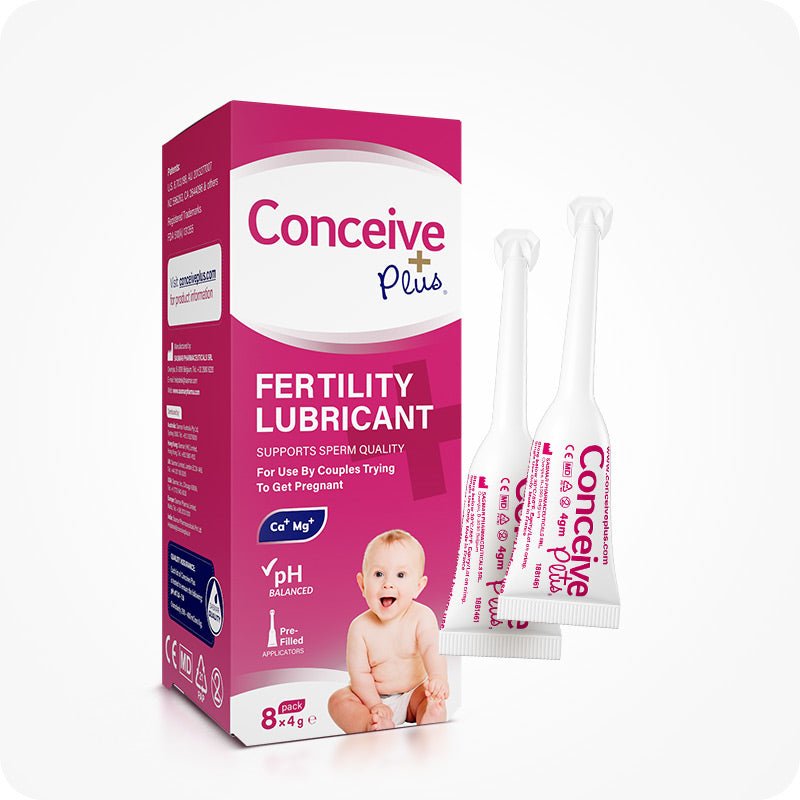
A Conceive Plus termékenységi síkosító a kivizsgálás időszakában is támogathatja a fogamzási kísérleteket, mivel spermiumbarát, pH-kiegyensúlyozott környezetet biztosít a természetes együttléthez. Egyedülálló kalcium- és magnéziumion-formulája támogatja a spermiumok túlélését és mozgékonyságát - ugyanazokat az ionokat tartalmazza, amelyek a termékeny méhnyaknyákban is megtalálhatók.
Fedezze fel a Conceive Plus teljes kínálatát Európában itt: conceiveplus.eu.
Az eredmények értelmezése: Mi történik ezután?
A termékenységi vizsgálatok eredményeinek kézhezvétele nyomasztó lehet, különösen akkor, ha eltéréseket találnak. Az alábbi keret segít megérteni, mit jelentenek az eredmények, és mi történik általában ezután:
Minden vizsgálat eredménye normális
Ha minden vizsgálat eredménye normális, a diagnózis „megmagyarázhatatlan meddőség” - egy frusztráló megnevezés, amelynek valójában több lehetséges sejtszintű oka is lehet (a spermium DNS-e, a petesejt minősége, az embrió fejlődése, a beágyazódást befolyásoló tényezők), amelyeket a szokásos vizsgálatok nem mutatnak ki. A kezelési lehetőségek közé tartozik a petefészek-stimuláció időzített együttléttel, az IUI (méhen belüli inszemináció) vagy az IVF.
Peteérési zavar (PCOS stb.)
Ha rendszertelen ovulációt azonosítanak, a kezelési lehetőségek az életmód módosításától (testsúlykontroll, inozitolpótlás) a peteérést kiváltó gyógyszereken (letrozol, klomifén) át az injekciós gonadotropinokig terjednek. A peteérési zavarban szenvedő nők többsége megfelelő kezeléssel teherbe esik.
Alacsony petefészek-tartalék
Az alacsony AMH- vagy AFC-érték kisebb petesejt-tartalékot jelez, ami nem jelenti azt, hogy a fogamzás lehetetlen, de több időre vagy lombikkezelésre lehet szükség. Javasolt lehet hamarabb megkezdeni a mesterséges megtermékenyítést, ahelyett hogy várnának, így megőrizhető a megmaradt tartalék. Ha az illető még nem áll készen a gyermekvállalásra, a petesejtfagyasztás is szóba jöhet.
Férfi eredetű meddőség
Az enyhe vagy közepes fokú férfi eredetű termékenységi probléma gyakran javul életmód-optimalizálással és étrend-kiegészítéssel (antioxidánsok, cink, CoQ10) 3 hónap alatt. Súlyos férfi eredetű probléma esetén ICSI-re (intracitoplazmatikus spermiuminjekcióra) lehet szükség - ennek során a lombikbébi-kezelés alatt egyetlen spermiumot közvetlenül a petesejtbe fecskendeznek. Nagyon súlyos esetekben (azoospermia) sebészi spermium-kinyerésre lehet szükség.
Gyakran ismételt kérdések a termékenységi kivizsgálásról
Mennyire pontos az AMH-vizsgálat?
Az AMH a petefészek-tartalék egyik legmegbízhatóbb elérhető markere. Ciklusról ciklusra csak kis mértékben változik, és a ciklus bármely napján vizsgálható. Ugyanakkor a mennyiséget, nem pedig a minőséget tükrözi - a magas AMH nem garantálja az egészséges petesejteket, az alacsony AMH pedig nem jelenti azt, hogy a terhesség lehetetlen. Ez egy nagyobb kép egyik eleme.
Javíthatom a termékenységi vizsgálataim eredményeit?
Számos termékenységi marker célzott beavatkozásokkal javítható. A spermaparaméterek (mozgékonyság, morfológia, koncentráció) 3 hónap életmódváltásra és étrend-kiegészítők alkalmazására reagálhatnak. Az FSH és az AMH jelentősen nehezebben változtatható, de az általános egészségi állapot optimalizálása, a stressz csökkentése és a célzott táplálkozás kedvezően befolyásolhatja a reprodukcióhoz szükséges hormonális környezetet.
Fájdalmas a termékenységi kivizsgálás?
A vérvizsgálatok minimálisan invazívak. A hüvelyen keresztül végzett ultrahang a legtöbb nő számára általában fájdalommentes, bár enyhén kellemetlen lehet. A HyCoSy menstruációs görcsökhöz hasonló görcsöket okozhat. A HSG által okozott görcsök enyhétől jelentősig terjedhetnek. Segíthet, ha előtte vény nélkül kapható fájdalomcsillapítót vesz be, és utána pihenést tervez.
Mennyibe kerül a magánúton végzett termékenységi kivizsgálás Európában?
A költségek országonként jelentősen eltérnek. Egy átfogó, magánúton végzett kivizsgálás, amely magában foglalja a hormonpanelt, az AMH-vizsgálatot, az ultrahangot és a spermaanalízist, Nyugat-Európában általában 400-1200 € között mozog. Számos magántermékenységi klinika csomagárakat kínál a kezdeti kivizsgálásra. Egyes vizsgálatokat a nemzeti egészségügyi rendszerek is fedezhetnek háziorvosi beutalóval.
Befolyásolhatja a stressz a termékenységi vizsgálat eredményeit?
Az akut stressz (magának a vizsgálatnak az időtartama alatt) átmenetileg megemelheti a prolaktin- és kortizolszintet. Az FSH-, LH- és AMH-szintet a vizsgálat napján fennálló stressz nem befolyásolja jelentősen. A krónikus stressz hatással lehet a ciklus rendszerességére és a peteérésre, ami befolyásolja a vizsgálat időzítését. Az eredmények értelmezésekor beszéljen orvosával minden tartósan fennálló stresszről.
Szükséges mindkét partnert egyidejűleg kivizsgálni?
Igen - mindkét partner egyidejű vizsgálata a leghatékonyabb megközelítés. A termékenységi problémák mintegy 40%-a kizárólag férfi eredetű, további 20%-ukhoz pedig férfi és női tényezők egyaránt hozzájárulnak. Ha először csak a női partnert vizsgálják ki, az az esetek csaknem felében késlelteti a diagnózist.
Mi az a sóoldatos szonogram / szonohiszterogram?
A szonohiszterogram (SHG) során vékony katéteren keresztül sóoldatot fecskendeznek a méh üregébe, miközben hüvelyen keresztüli ultrahangvizsgálatot végeznek. Ez kitágítja a méh üregét, így láthatóvá válnak az olyan polipok, miómák vagy méhsövények, amelyek hagyományos ultrahangvizsgálattal nem feltétlenül észlelhetők. Az eljárás minimálisan invazív, és részletes információkat nyújt a méh üregéről.
Érdemes termékenységi vizsgálatot végeztetni a teherbeeséssel való próbálkozás megkezdése előtt?
A megelőző jellegű termékenységi vizsgálatok (amelyeket néha „termékenységi állapotfelmérésnek” is neveznek) egyre népszerűbbek, különösen a 30 év feletti nők körében, akik szeretnék megismerni petefészek-tartalékukat, mielőtt úgy döntenek, hogy megkezdik a próbálkozást. Bár a klinikai irányelvek tünetmentes nőknél rutinszerűen nem javasolják, értékes információkkal és lelki nyugalommal szolgálhatnak, valamint olyan problémákat (például alacsony AMH-szintet) is azonosíthatnak, amelyek indokolják a korábbi cselekvést.
Összegzés: A tudás az első lépés
A termékenységi vizsgálat megszünteti a bizonytalanságot azzal kapcsolatban, hogy miért nem következik be a fogamzás, és helyette cselekvésre alkalmas információkat nyújt. Akár azt igazolják az eredmények, hogy minden megfelelően működik (ami valóban megnyugtató), akár olyan problémát tárnak fel, amelyet kezelni kell, a megszerzett ismeretek lehetővé teszik, hogy magabiztosan megtervezze a következő lépéseket.
Kezdje el a kivizsgálást, ha bármilyen aggálya vagy kockázati tényezője van. Készítse fel szervezetét már most bizonyítékokon alapuló táplálkozással és célzott étrend-kiegészítőkkel. Ne feledje, hogy az esetek többségében az azonosított termékenységi problémákra hatékony kezelések állnak rendelkezésre.
A Conceive Plus Európa-szerte támogatja a párokat termékenységi útjuk minden szakaszában - a természetes fogamzással kapcsolatos próbálkozásoktól az IVF-re való felkészülésig. Fedezze fel a teljes kínálatot itt: conceiveplus.eu.
Készen áll arra, hogy támogassa termékenységi útját?
Vásároljon Conceive Plus terméket a termékenység támogatására →