Magyarázat nélküli meddőség: mit jelent, miért fordul elő, és hogyan lehet továbblépni


Mi az az ismeretlen eredetű meddőség?
Az ismeretlen eredetű meddőséget — más néven idiopátiás meddőségnek is hívják — akkor diagnosztizálják, ha egy pár 12 hónap rendszeres, védekezés nélküli együttlét után sem tud teherbe esni, és mindkét fél standard termékenységi vizsgálatai normális eredményt mutatnak. Ez a meddő párok körülbelül 20–30%-át érinti, így az egyik leggyakoribb termékenységi diagnózis.
Az „ismeretlen eredetű” kifejezés mélyen kielégítetlen érzést kelthet. A párok gyakran egyszerre éreznek megkönnyebbülést (semmi nincs egyértelműen rosszul) és frusztrációt (akkor miért nem működik?). A valóság az, hogy az „ismeretlen eredetű” nem azt jelenti, hogy „semmi nincs rosszul” — hanem azt, hogy a jelenlegi standard vizsgálatok nem találták meg a problémát. Ahogy a termékenységi tudomány fejlődik, sok olyan ok, amely korábban valóban ismeretlen volt, ma már azonosítható.
A „normális” meghatározó standard tesztek
Támogatjuk termékenységi utadat
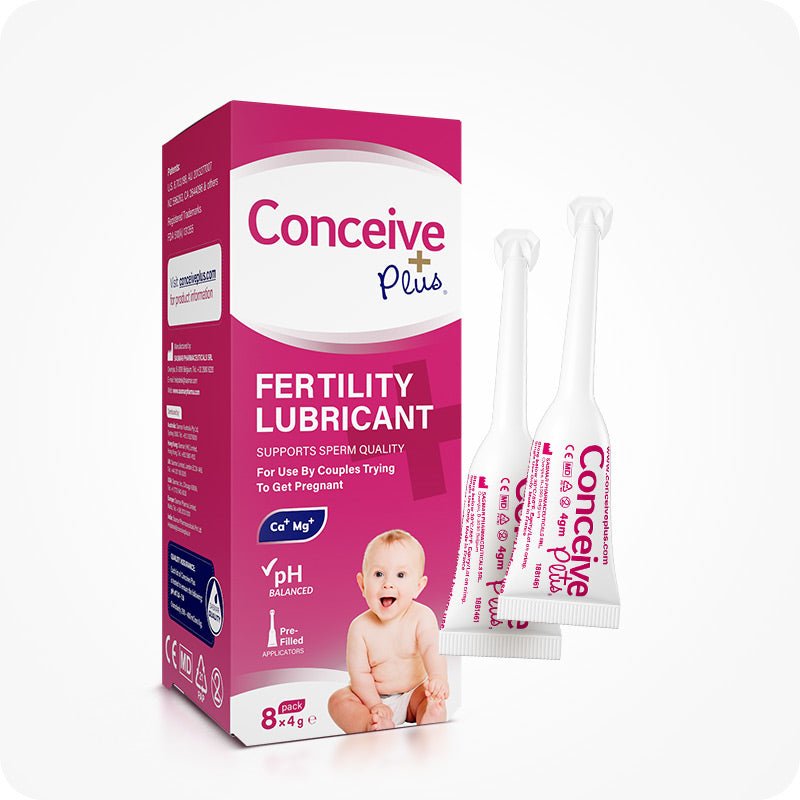
A Conceive Plus termékeket termékenységi szakemberek fejlesztették ki, hogy a tested működésével összhangban legyenek — ne ellene. Termékenységbarát síkosítónk klinikailag tesztelt, hogy megfeleljen a termékeny méhnyaknyák pH-értékének és ozmolalitásának, biztosítva, hogy a spermiumok életben maradjanak és eljussanak a petesejthez.
Az ismeretlen eredetű meddőség diagnózisának felállítása előtt egy standard értékelést kell elvégezni. Ez általában a következőket tartalmazza:
Nők számára
- Petefészek-tartalék vizsgálat: AMH (anti-Müllerian hormon) és antrális tüszőszám (AFC) ultrahang segítségével
- Hormonpanel: FSH, LH, ösztrogén (ciklus 2–3. nap), progeszteron (középső luteális), TSH és prolaktin
- Ovuláció megerősítése: középső luteális progeszteron, LH-monitorozás vagy ultrahang
- Méh-/méhkürt-értékelés: hiszteroszalpingogram (HSG) vagy sóoldatos ultrahang (SIS)
Férfiak számára
- Hímivarsejt-analízis: térfogat, szám, mozgékonyság (progresszív és összes), valamint morfológia (szigorú Kruger-kritériumok)
Ha ezek a vizsgálatok mind a normál referenciaértékeken belül vannak, akkor az ismeretlen eredetű meddőség diagnózisát állítják fel. Fontos megjegyezni, hogy több potenciálisan jelentős tényezőt nem vizsgálnak rutinszerűen a standard értékelések során — ami részben magyarázza az „ismeretlen eredetű” megjelölést.
Lehetséges alapvető okok, amelyeket a standard tesztek nem észlelnek
A kutatások több olyan mechanizmust azonosítottak, amelyek a termékenységet károsíthatják anélkül, hogy a standard vizsgálatok kimutatnák őket:
Finom petesejtminőségi problémák
A standard AMH- és AFC-tesztek a női petesejtkészlet mennyiségét mérik, de nem a petesejtek minőségét. A petesejtek minősége az egyes petesejtek kromoszóma-integritását és mitokondriális működését jelenti. A rossz petesejtminőség megtermékenyülési sikertelenséghez, gyenge embriófejlődéshez vagy korai vetéléshez vezet — és nem észlelhető embriótenyésztés vagy genetikai vizsgálat nélkül.
Spermium DNS-fragmentáció
A standard ondóanalízis a spermiumszámot, mozgékonyságot és morfológiát vizsgálja, de nem értékeli a spermiumfej DNS-ének épségét. A magas spermium DNS-fragmentáció megtermékenyítési sikertelenséghez, rossz embrióminőséghez vagy visszatérő beágyazódási kudarchoz vezethet, még akkor is, ha az ondóparaméterek normálisnak tűnnek.
A DNS-fragmentációs index (DFI) vizsgálat elérhető, de nem része az általános férfi termékenységi vizsgálatoknak. Tanulmányok kimutatták, hogy a 15–25% feletti DFI jelentősen csökkenti az IVF sikerességét.
Endometriális fogadókészségi problémák
A méhnyálkahártyának (endometrium) pontosan megfelelő fogadókészségű állapotban kell lennie az embrió befogadásához. Az úgynevezett „eltolt beágyazódási ablak” — amikor az endometrium a vártnál korábban vagy később éri el a csúcskészséget — megakadályozhatja az egyébként egészséges embriók beágyazódását. Ezt endometriális fogadókészség-elemzéssel (ERA), egy biopszián alapuló genomikai teszttel lehet vizsgálni.
Finom endometriózis
Enyhe endometriózis — különösen a hashártyán lévő implantátumok vagy mikroszkopikus lerakódások — nem mindig látható ultrahangon vagy HSG-n. Csak laparoszkópiával diagnosztizálható biztosan. Még a minimális endometriózis is gyulladásos környezetet teremthet a medencében, amely kedvezőtlen a spermiumok, petesejtek és embriók számára.
Immunológiai tényezők
Bizonyos esetekben a női immunrendszer antitesteket termelhet, amelyek megtámadják a spermiumokat vagy megzavarják a beágyazódást. A természetes ölő (NK) sejtek aktivitása, a beágyazódási immunválaszok és bizonyos autoimmun betegségek egyre inkább elismert tényezői az ismeretlen eredetű meddőségnek és a visszatérő beágyazódási sikertelenségnek.
Életmódbeli és környezeti tényezők
Krónikus oxidatív stressz — amelyet rossz táplálkozás, környezeti toxinoknak való kitettség, dohányzás vagy túlzott alkoholfogyasztás okozhat — károsíthatja a gamétákat (spermiumokat és petesejteket) olyan módon, amelyet a standard vizsgálatok nem mutatnak ki, de jelentősen befolyásolja a reprodukciós eredményeket.
Kezelési megközelítések ismeretlen eredetű meddőség esetén
Az ismeretlen eredetű meddőség kezelése általában lépcsőzetes protokoll szerint történik, kevésbé invazív beavatkozásokkal kezdve, és szükség esetén fejlettebb lehetőségek felé haladva.
Várakozó megfigyelés (óvatos várakozás)
35 év alatti párok számára, akik kevesebb mint 2 éve próbálkoznak, az aktív várakozás — a természetes próbálkozás folytatása az életmód optimalizálása mellett — ésszerű első lépés. Tanulmányok szerint az ismeretlen eredetű meddőséggel küzdő párok körülbelül 30–50%-a természetes úton fogan meg 2 éven belül beavatkozás nélkül.
Azonban mivel az idő önmagában is termékenységi tényező, a várakozó magatartás általában csak fiatalabb pároknak ajánlott a folyamat korai szakaszában.
Életmód optimalizálás
Bármilyen kezelés előtt és alatt elengedhetetlen a módosítható tényezők kezelése:
- Egészséges testtömegindex (BMI) elérése és fenntartása (18,5–25)
- A dohányzás abbahagyása (ami mind a petesejt, mind a spermium minőségét befolyásolja)
- Az alkoholfogyasztás minimalizálása vagy teljes elhagyása
- Az alvás minőségének és időtartamának javítása
- Antioxidánsokban gazdag mediterrán étrend követése
- Bizonyított hatású tápanyagok (folsav, CoQ10, D-vitamin, cink, omega-3) pótlása
Ovuláció indukció időzített együttléttel
Még ha az ovuláció normálisnak tűnik is, néhány szakember enyhe ovulációstimuláló gyógyszert (klomifén-citrát vagy letrozol) ír fel, hogy ciklusonként 1–2 petesejt termelődjön, és az együttlétet az ovulációhoz időzítsék. A tanulmányok mérsékelt javulást mutatnak a havi fogamzási arányokban a természetes ciklusokhoz képest.
Intrauterin inszemináció (IUI)
Az IUI során mosott, koncentrált spermiumokat közvetlenül a méhüregbe helyeznek az ovuláció idején. Ez megkerüli a méhnyak akadályait, és csökkenti a spermiumok által megtett távolságot a petesejtig. Ovulációs stimulációval vagy anélkül az IUI mérsékelt javulást hoz a havi sikerességi arányokban — a tanulmányok általában 10–15% élveszületési arányt mutatnak IUI ciklusonként ismeretlen eredetű meddőség esetén.
In vitro megtermékenyítés (IVF)
Az IVF a leghatékonyabb kezelés az ismeretlen eredetű meddőségre, és akár az okot is feltárhatja — ha az embriók nem termékenyülnek meg vagy nem fejlődnek normálisan a laborban, az petesejt- vagy spermaminőségi problémára utal, amit a standard vizsgálatok nem mutattak ki. Az IVF intracitoplazmatikus spermiuminjekcióval (ICSI) biztosítja a megtermékenyítést bármilyen finom spermiumprobléma esetén, és lehetővé teszi az embrió tenyésztését és értékelését az átültetés előtt.
38 év alatti nők esetében az IVF sikerességi aránya ciklusonként általában 35–50% élveszületési arány között van. A három ciklusra számított kumulatív arány jelentősen magasabb.
Lombikbébi-kezelés preimplantációs genetikai teszteléssel (PGT-A)
A PGT-A kromoszóma rendellenességekre szűri az embriókat az átültetés előtt, biztosítva, hogy csak kromoszómailag normális embriókat válasszanak ki. Ez javíthatja a beágyazódási arányt és csökkentheti a vetélés kockázatát, különösen 35 év feletti nők vagy sikertelen átültetések története esetén.
További vizsgálatok
Ha a standard lombikbébi-kezelés (IVF) sikertelen, további vizsgálatok lehetnek:
- Hímivarsejt DNS-töredezettség vizsgálat — ha magas, antioxidáns kezelés vagy herei spermiumvétel (TESA) segíthet
- Endometriális befogadóképesség elemzés (ERA) — a személyre szabott beágyazódási ablak azonosítására
- Laparoszkópia — az enyhe endometriózis felismerésére és kezelésére
- Immunológiai vizsgálatok — ha ismétlődő beágyazódási kudarc gyanúja áll fenn
Az ismeretlen eredetű meddőség érzelmi terhe
Sok pár számára az ismeretlen eredetű meddőség érzelmileg nehezebb, mint egy egyértelmű diagnózis – éppen azért, mert nincs világos probléma, amivel harcolni lehetne. Konkrét cél nélkül lehetetlennek tűnik tudni, mit változtassanak vagy mikor kell fokozni a kezelést.
Gyakori pszichológiai reakciók közé tartozik:
- Állandó szorongás és fokozott éberség minden ciklus során
- Kapcsolati feszültség, különösen az előre tervezett együttlétek miatt
- Gyász minden sikertelen ciklus után, amit tovább súlyosbít a világos ok hiánya
- Az orvosi szakemberek által tapasztalt elutasítottság érzése, akik csak a vizsgálatok eredményeire koncentrálnak
- Elszigetelődés, mert az ismeretlen eredetű meddőséget nehéz másoknak megmagyarázni
A pszichológiai támogatás nem luxus — a komplex kezelési terv része. Sok meddőségi klinika alapvető szolgáltatásként kínál tanácsadást, és a társas támogatói közösségek fontos megerősítést és kapcsolatot nyújtanak.
Mikor kell fokozni a kezelést
Nincs egyetemes idővonal, de az általános iránymutatás a következő:
- 3–6 IUI-kezelés sikertelensége után térjen át az IVF-re
- 35 év felett hagyja ki az IUI-t, és korábban lépjen tovább az IVF-re
- 2–3 lombikbébi-kezelés után élveszületés nélkül érdemes fejlettebb diagnosztikai vizsgálatokat végezni (ERA, laparoszkópia, DFI, immunológiai panel)
Minden döntési pontot közösen kell meghozni Önnek és a szakemberének, figyelembe véve az életkorát, a vizsgálati eredményeket, az érzelmi állapotát és a pénzügyi helyzetét.
Gyakran Ismételt Kérdések az Ismeretlen Eredetű Meddőségről
Az ismeretlen eredetű meddőség azt jelenti, hogy soha nem fogok teherbe esni?
Egyáltalán nem. Sok pár, akiknél ismeretlen eredetű meddőséget diagnosztizálnak, teherbe esik – akár természetes úton, akár kezeléssel. A kilátások általában kedvezőbbek, mint súlyos, ismert okú meddőség esetén, éppen azért, mert nincs azonosított akadály a fogantatás előtt.
Miért nem végez az orvosom több vizsgálatot?
A standard termékenységi vizsgálatok a leggyakoribb, klinikailag jelentős meddőségi okok kimutatására szolgálnak. A fejlettebb vizsgálatokat (ERA, DFI, immunológiai panelek) általában akkor alkalmazzák, ha a standard kezelés nem vezetett eredményre, mert rutinszerű elvégzésük a legtöbb esetben nem változtatna a kezelési terven, viszont költséget és terhet jelent.
Segíthet az akupunktúra az ismeretlen eredetű meddőség kezelésében?
Az akupunktúra termékenységre gyakorolt hatására vonatkozó bizonyítékok vegyesek. Egyes tanulmányok szerény előnyt sugallnak a stressz csökkentésében és esetleg az IVF eredmények javításában, míg mások nem mutatnak jelentős hatást. Valószínűtlen, hogy ártalmas lenne, és bizonyos párok számára érzelmi támogatást nyújthat.
Az ICSI jobb-e a hagyományos lombikbébi-kezelésnél (IVF) ismeretlen eredetű meddőség esetén?
Az ICSI (intracitoplazmatikus spermium injekció) biztosítja a megtermékenyítést azáltal, hogy egyetlen spermiumot közvetlenül a petesejtbe juttat, kizárva a megtermékenyülési kudarc lehetőségét. Sok klinika rutinszerűen alkalmazza az ICSI-t ismeretlen eredetű meddőség esetén ezért. Azonban a bizonyítékok nem mutatnak egyértelműen jobb élveszületési arányt az ICSI esetén a hagyományos IVF-hez képest, ha a spermiumparaméterek normálisak.
Többször is megpróbálhatom az IUI-t, mint háromszor?
Igen, bár a 3–4 ciklus utáni előnyök bizonyítéka korlátozott. Sok szakértő azt javasolja, hogy 3 sikertelen IUI ciklus után térjenek át az IVF-re, különösen 35 év feletti nők esetében, mivel az IVF ciklusonként jelentősen magasabb sikerarányt kínál.
Lehet, hogy az endometriózis okozza az ismeretlen eredetű meddőségemet?
Igen, lehetséges. Minimális vagy enyhe endometriózis (I/II. stádium) okozhat meddőséget finom gyulladásos és immunológiai mechanizmusokon keresztül, még akkor is, ha nem okoz jelentős tüneteket. A diagnosztikus laparoszkópia ezt véglegesen meg tudja állapítani, és az endometriózis kezelése laparoszkópiával javítja a természetes fogantatás esélyeit.
Milyen életmódbeli változtatásoknak van a legerősebb bizonyítéka az ismeretlen eredetű meddőség esetén?
Az egészséges BMI elérése, a dohányzás abbahagyása, az alkoholfogyasztás csökkentése, az alvásminőség javítása és a mediterrán stílusú étrend bevezetése rendelkezik a legerősebb bizonyítékokkal. Célzott kiegészítők (CoQ10 a petesejt minőségért, folsav a DNS szintézisért, D-vitamin a beágyazódásért) szintén jelentős támogatást élveznek.
Hány IVF ciklust érdemes megpróbálnunk?
A legtöbb termékenységi szakértő legalább 3 ciklus kipróbálását javasolja, mielőtt következtetéseket vonnánk le a siker valószínűségéről. Az összesített élveszületési arány jelentősen nő minden ciklussal, és az embriók kiválasztási stratégiái is finomíthatók minden próbálkozás során.
Fontolóra kell vennünk a donortojást?
A donortojás általában több sikertelen IVF ciklus után vagy nagyon rossz petesejtminőség vagy rendkívül alacsony petefészek tartalék esetén merül fel. Ez egy mélyen személyes döntés, amely alapos megfontolást és ideális esetben tanácsadói támogatást igényel a meghozatala előtt.
Összefügg az ismeretlen eredetű meddőség a vetéléssel?
Nem feltétlenül, de a két állapot együtt is fennállhat. Ha egy pár mind a fogantatás nehézségeit, mind az ismétlődő vetélést tapasztalja, további vizsgálatok indokoltak — beleértve az embriók kromoszóma vizsgálatát, trombofília szűrést és immunológiai értékelést.
Készen állsz a termékenységed optimalizálására?
Akár most kezded az utadat, akár már egy ideje próbálkozol, a Conceive Plus termékeket termékenységi szakértők tervezték, hogy támogassák minden lépést — a fogantatás környezetének optimalizálásától a tested számára szükséges tápanyagok biztosításáig.
Minden termék megtekintése A mi történetünk
Több ezer pár megbízik bennünk világszerte. Gondosan megalkotva, tudományosan alátámasztva.